Book a guided Jeep Safari in Rajaji National Park & Rajaji Tiger Reserve • Direct booking with local operator • Morning & Evening Safari slots available • Trained drivers & guides • Chilla, Motichur, Ranipur, Jhilmil & more zones • WhatsApp +91 92591 21352
Jhilmil Conservation Reserve · Rajaji National Park

Jhilmil Jheel Safari in Rajaji National Park

Explore Jhilmil Jheel’s wetland marshes, home to rare swamp deer, migratory waterfowl and a distinctive safari season extending until June 30.

Safari Area

Jhilmil Reserve

Landscape

Wetland · Marsh · Grassland

Known For

Barasingha · Birdwatching · Wetland

Season

Extended to June 30

Wetland habitat in Jhilmil Jheel Conservation Reserve
Jhilmil Zone

About Jhilmil Jheel Conservation Reserve

Jhilmil Jheel is not just another Rajaji safari zone — it is a completely different ecosystem. Spanning 3,783 hectares of primordial Terai marshland, this conservation reserve is one of the remaining natural wetlands of its kind in Uttarakhand and may offer opportunities to observe swamp deer (barasingha) in the state.

Located near the Chidiyapur Forest Range, Jhilmil combines open water, reed beds, grasslands and peripheral forest. It acts as a critical wildlife corridor for animals moving between Rajaji National Park and surrounding forest areas, while also serving as a vital stopover for migratory birds along the Central Asian Flyway.

Rajaji Jeep Safari provides safari services to Jhilmil on available routes with experienced drivers and guide support.
Check Jhilmil Availability
Why Jhilmil

Why Choose Jhilmil for Your Rajaji Safari?

Swamp Deer (Barasingha)

Jhilmil is one of the places in Uttarakhand where you may see the endangered swamp deer in its natural wetland habitat. This is a defining wildlife experience of the zone.

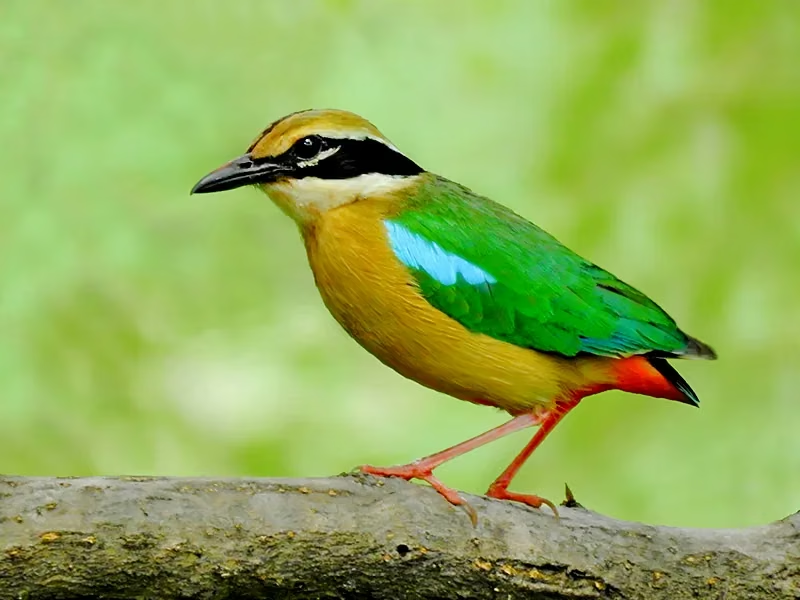
Birdwatching Paradise

Wetlands attract herons, storks, egrets, ducks, waders and migratory waterfowl. From the watchtower, the panoramic marsh views offer exceptional birding opportunities.

Extended Season

Jhilmil often remains open until June 30 — longer than most Rajaji safari zones — giving visitors additional weeks to plan a safari during the pre-monsoon period.

Watchtower Views

A well-positioned watchtower provides sweeping panoramic views across the marsh — ideal for photography, birdwatching and landscape appreciation.

Ecological Significance

Jhilmil is the last piece of primordial Terai marshland in Uttarakhand — a living museum of a vanishing ecosystem and a critical wetland habitat.

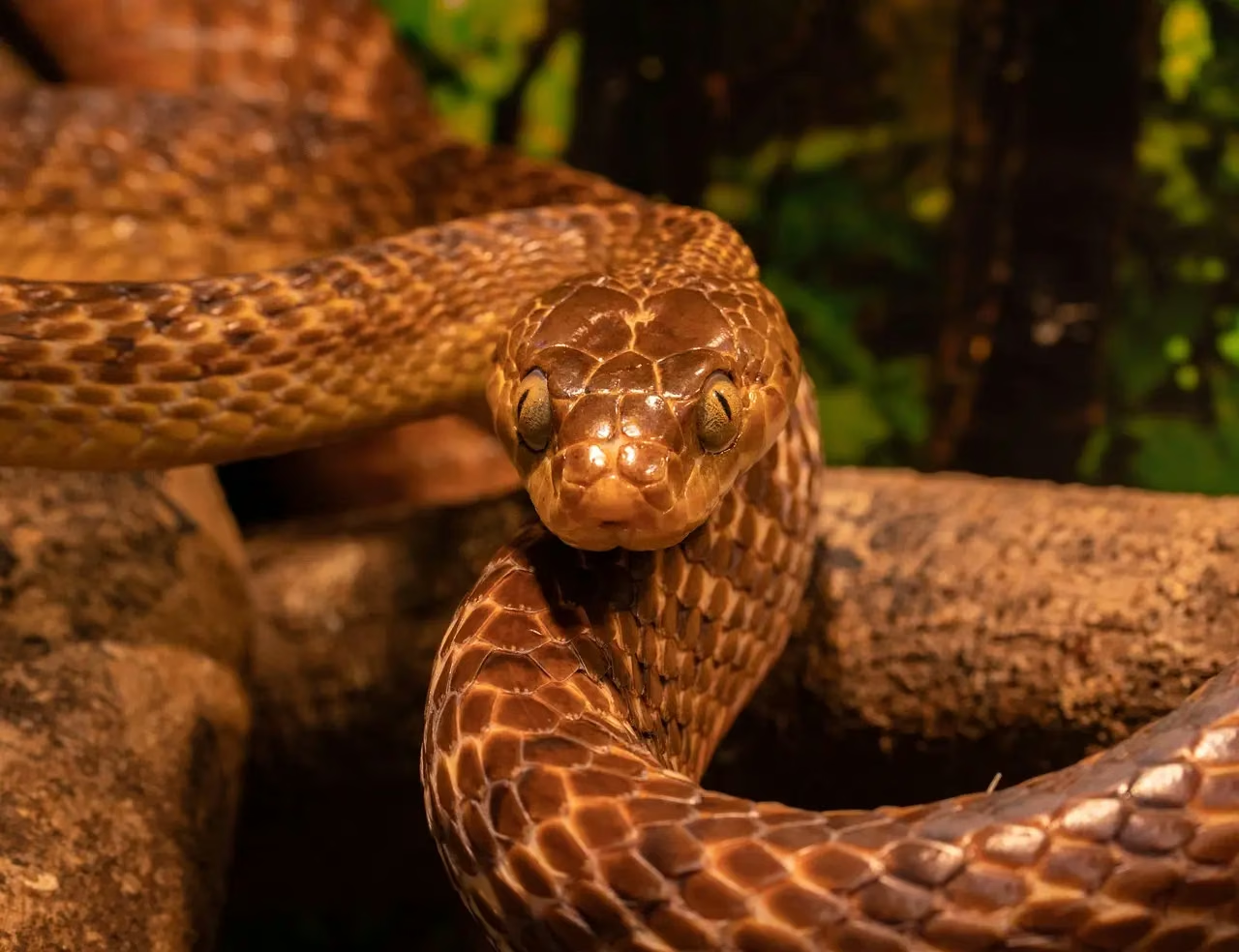
Snake resting in a tree near Jhilmil wetland
Your Safari

What to Expect on a Jhilmil Safari

A Jhilmil safari is unlike any other Rajaji experience. Instead of forest tracks, you explore marsh edges, reed beds and open grasslands. The soundscape is dominated by bird calls, the rustle of reeds, and the occasional splash of water — a complete departure from the sal forest zones.

From the watchtower, visitors can scan the entire wetland for barasingha herds, marsh crocodiles, and seasonal congregations of migratory birds. Patient observation is rewarded, and the zone suits photographers and birdwatchers who prefer a slower, more contemplative safari pace.

Book Jhilmil Safari
Wildlife

Wildlife in Jhilmil Conservation Reserve

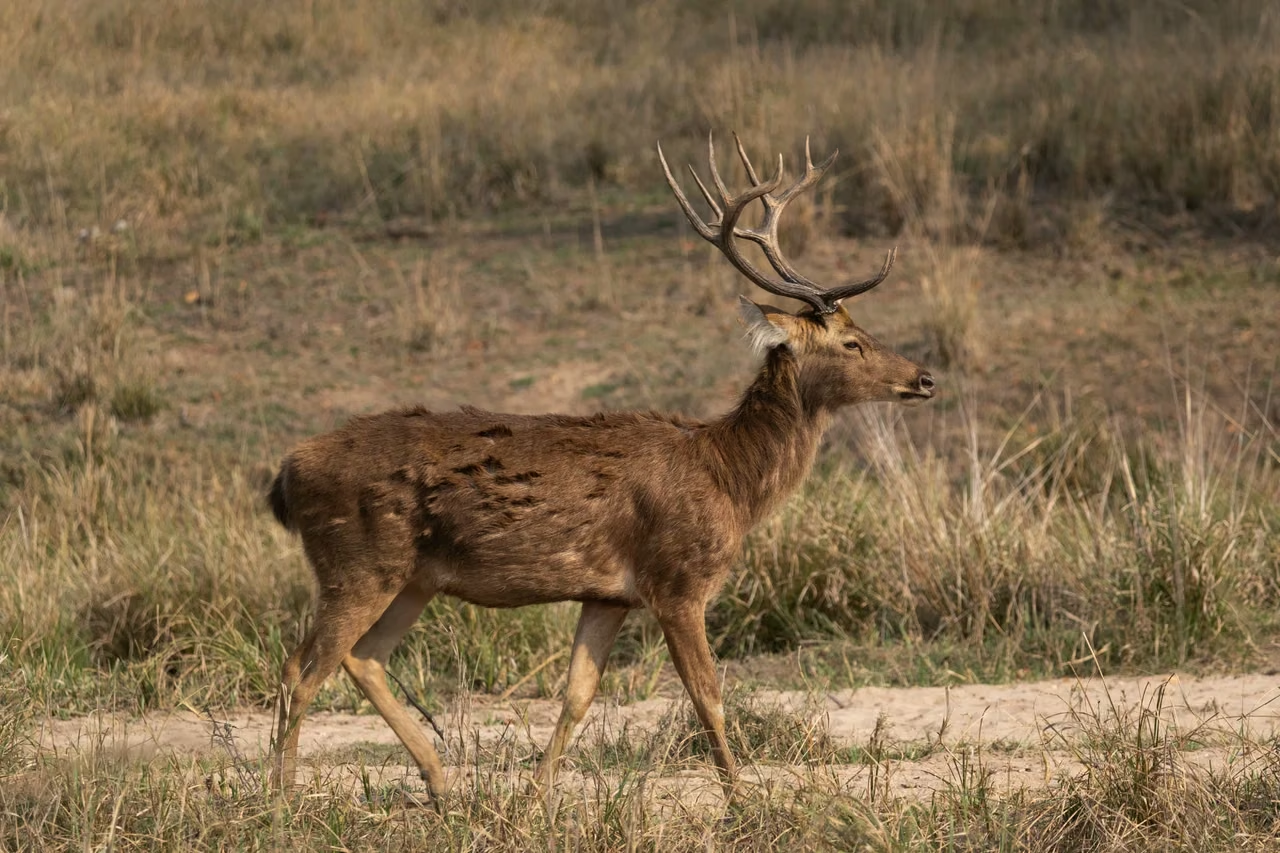
Swamp deer Barasingha in Jhilmil wetland

Swamp Deer (Barasingha)

Jhilmil may be one of the remaining natural habitats of swamp deer in Uttarakhand. These elegant, antlered deer are a flagship species of this unique wetland reserve.

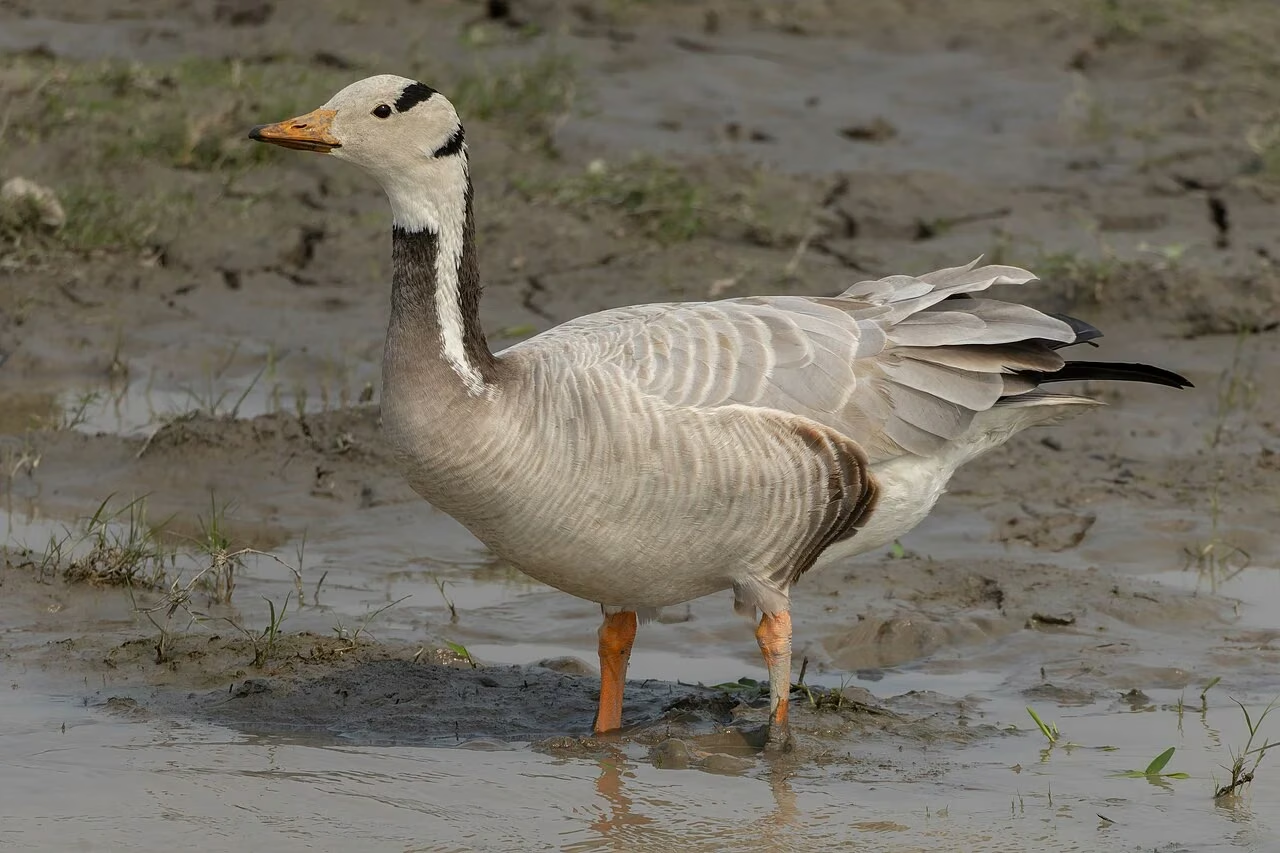
Migratory waterfowl at Jhilmil wetland

Migratory Waterfowl

During winter, Jhilmil hosts ducks, geese, storks and other migratory birds along the Central Asian Flyway. A seasonal spectacle for birdwatchers.

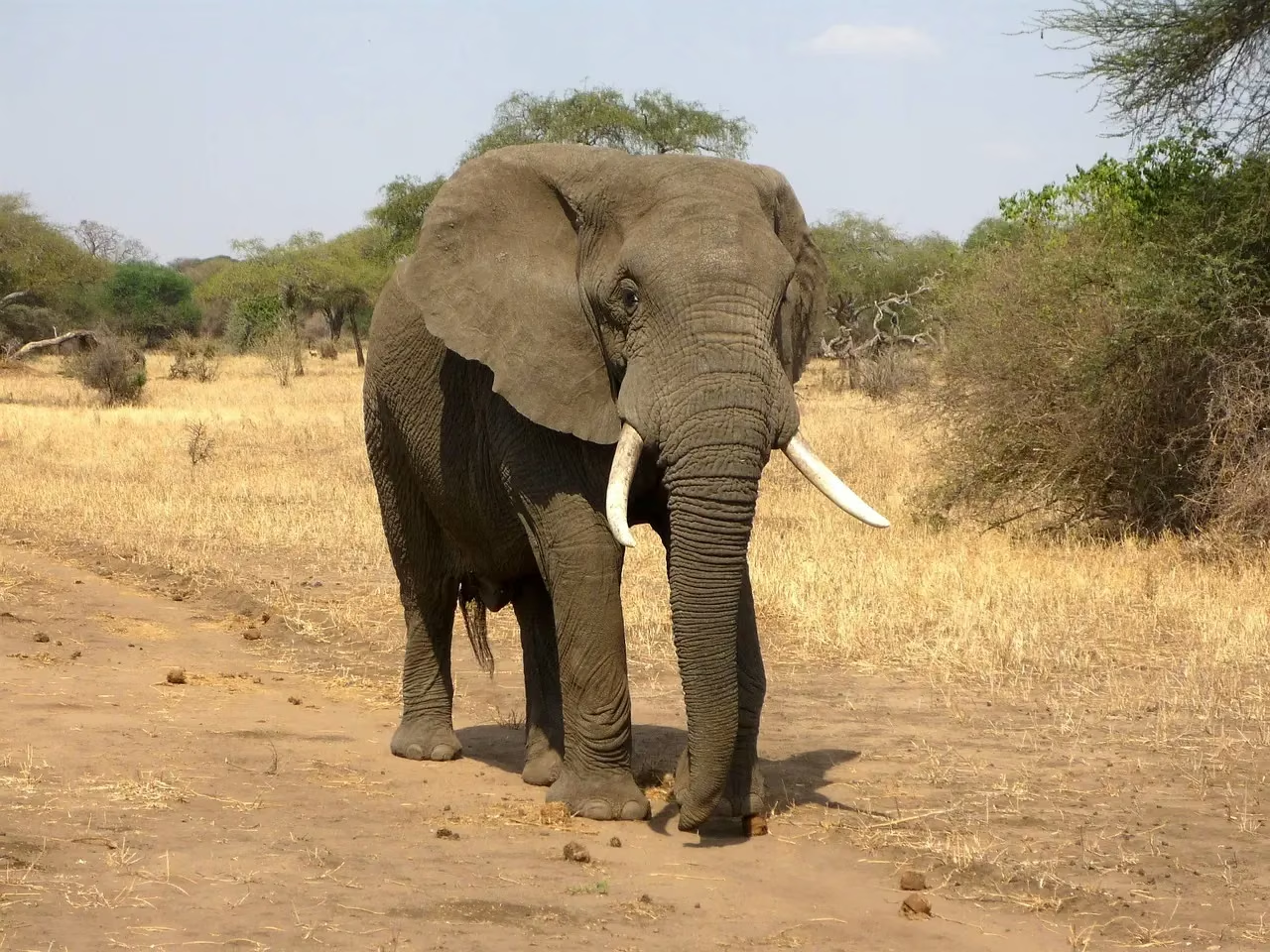
Asian elephant near Jhilmil wetland

Asian Elephants

Elephants move through the wider wetland and forest corridor around Jhilmil, especially where water and fresh vegetation are available.

Booking

How to Book Jhilmil Safari

1

Choose Your Date

Select your preferred date. Jhilmil often stays open until June 30 — confirm current status.

2

Share Visitor Details

Provide name, phone, visitor count, nationality and timing preference.

3

We Check Availability

Our team checks whether Jhilmil routes are operating for your requested dates.

4

Receive Details & Price

We share available timing, charges and reporting information.

5

Confirm Your Safari

Complete the booking with accurate visitor details.

6

Join Your Safari

Arrive at the reporting point with ID and experience the wetland.

FAQs

Jhilmil Safari FAQs

Jhilmil is one of Uttarakhand's remaining natural Terai marshlands and one of the places where swamp deer (barasingha) may be seen in the wild. It is a completely different ecosystem from Rajaji's forest zones.

Jhilmil typically opens with the main Rajaji safari season in mid-November and often stays open until June 30 — longer than most other zones. Always confirm current operations before planning.

Yes. Jhilmil is one of the rewarding birdwatching zones in the Rajaji landscape. The wetland attracts resident and migratory species including herons, storks, egrets, ducks, waders and raptors.

Jhilmil is accessible from the Haridwar side. Exact travel time depends on your hotel location and the confirmed reporting point. Share your details while booking.
Explore More

Other Rajaji Safari Zones

Compare Jhilmil with other Rajaji safari zones or explore the full Safari Zones overview.

Chilla Zone

Riverbeds, grasslands and varied terrain near Haridwar.

Motichur Zone

Dense sal forest, leopard territory and foothill terrain.

Ranipur Zone

Hilly terrain, dry forest and goral habitat.

Andheri & Gohri

Secluded forest routes and buffer-zone safari.

Explore Jhilmil

Book Your Jhilmil Jheel Safari

Experience Uttarakhand's last primordial marshland — home to swamp deer, migratory birds and a wetland ecosystem unlike anything else in Rajaji.