How to Choose the Right Safari Zone
Choosing the right safari zone is one of the most important decisions when planning a Rajaji National Park safari. Each zone offers a distinct landscape, wildlife habitat and visitor experience. The best choice depends on where you are staying, what interests you, the time of year and what is currently available.
Chilla Zone — The All-Rounder
Chilla is the most popular safari area, combining sal forest, grasslands and riverbeds. The landscape is varied and visually rich, making it ideal for first-time visitors, families and general wildlife enthusiasts.
Landscape: Sal forest, riverine vegetation, grassland patches, Shivalik foothills and seasonal riverbeds along the Ganga.
Wildlife: Elephants, deer, wild boar, langurs, primates, birdlife and other forest wildlife. Tigers and leopards inhabit parts of the wider landscape but are elusive.
Convenient from: Haridwar and Rishikesh side. The most practical option for many visitors staying in these cities.
Motichur Zone — Dense Forest and Leopard Territory
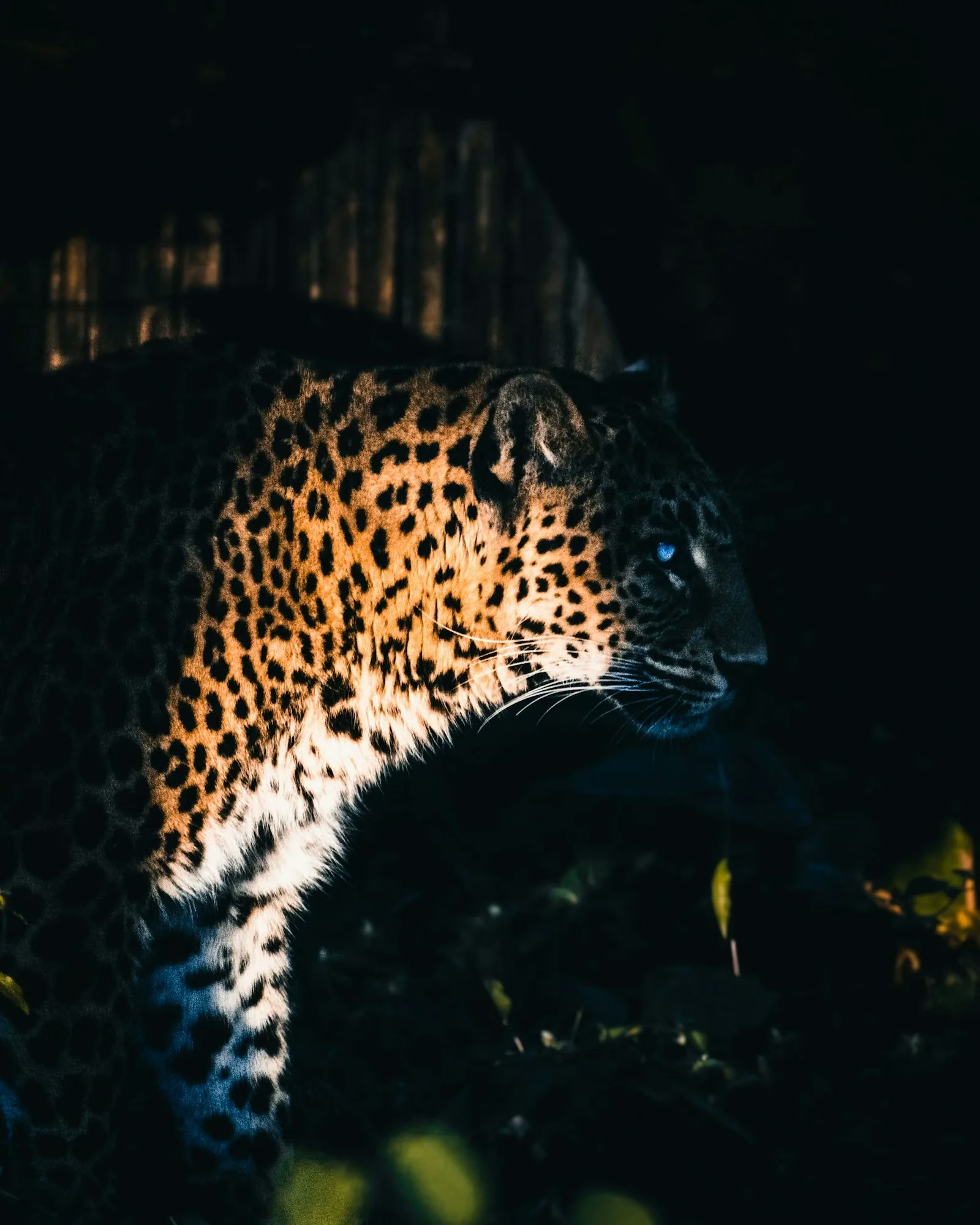
Motichur offers dense sal canopy and rocky ridges, creating ideal leopard habitat. The forest experience here is more enclosed, quieter and more atmospheric than Chilla's open landscapes.
Landscape: Dense sal forest, Shivalik foothills, rocky terrain, forest corridors and mixed vegetation.
Wildlife: Known for leopard presence, elephant movement through forest corridors and diverse birdlife.
Convenient from: Haridwar and Dehradun side. One of the closest zones to Haridwar.
Ranipur Zone — Rugged and Quiet
Ranipur is a quieter zone with hilly terrain and dry deciduous forest. It offers a different landscape from the riverine zones and appeals to visitors who prefer a rugged, less crowded experience.
Landscape: Hilly terrain, dry deciduous forest, rocky ridges and Himalayan goral habitat.
Convenient from: Haridwar side.
Jhilmil Zone — Wetland Birding Paradise
Jhilmil is a wetland conservation reserve famous for swamp deer (barasingha) and migratory birds. The landscape is completely different from the forest zones, featuring reed beds, marshes and open water.
Landscape: Wetlands, grasslands, marsh habitat and a bird-rich environment.
Convenient from: Haridwar side. The extended season often runs until June 30.
Andheri and Gohri — Secluded Forest Experience
Andheri and Gohri offer buffer zone and deep forest routes that appeal to experienced wildlife travellers. The Gohri buffer zone may be accessible outside the standard safari season, subject to current authority permissions, weather and gate operations.
Convenient from: Depends on current access and route permissions.
Satyanarayan and Kansro
These forest areas on the Dehradun side offer quieter routes ideal for birdwatchers and nature enthusiasts. The dense forest and foothill terrain create a peaceful safari environment.
Morning or Evening Safari?
Both morning and evening safaris offer different forest conditions. Neither is universally better. Morning safaris offer cooler temperatures, soft early light and active birdlife. Evening safaris offer beautiful golden hour light and a different rhythm of wildlife activity. Your choice depends on your schedule, the season and what kind of experience you prefer.
Frequently Asked Questions
Which is the best Rajaji safari zone?
There is no single best zone. Chilla suits first-time visitors and families, Motichur offers dense forest and leopard territory, Ranipur is rugged and quiet, and Jhilmil is a wetland birding paradise. The right choice depends on your interest and starting location.
Which Rajaji safari zone is best for elephant sightings?
Chilla may offer good opportunities for elephant sightings, especially near the Ganga riverbed and grasslands. Motichur also has elephant movement through its forest corridors.
Which zone is closest to Haridwar?
Chilla, Ranipur and Jhilmil are accessible from the Haridwar side. The most convenient option depends on your hotel location and the confirmed reporting gate.
Can I choose my preferred Rajaji safari zone?
You can request a preferred zone, but final confirmation depends on availability, Forest Department operations and vehicle arrangements.