Is a morning or evening safari better in Rajaji National Park?
A Rajaji jeep safari lasts around three to four hours, and the Forest Department schedules two standard slots each day — one in the morning and one in the late afternoon. Both take you through the same Shivalik landscape of sal forest, riverbeds and grasslands, but the wildlife activity, light, temperature and atmosphere are noticeably different between the two.
There is no single right answer to "which is better." The better slot depends on the season, your comfort preferences, what you most want to experience and the practical constraints of your travel day. This guide compares morning and evening safaris across every factor that matters so you can make a confident choice.
What time does a Rajaji morning safari start?
A morning safari begins before or around sunrise. You will arrive at the reporting gate in the dark or in the blue half-light of early dawn, meet your driver and guide, complete the entry formalities, and then drive into the forest as the day begins.
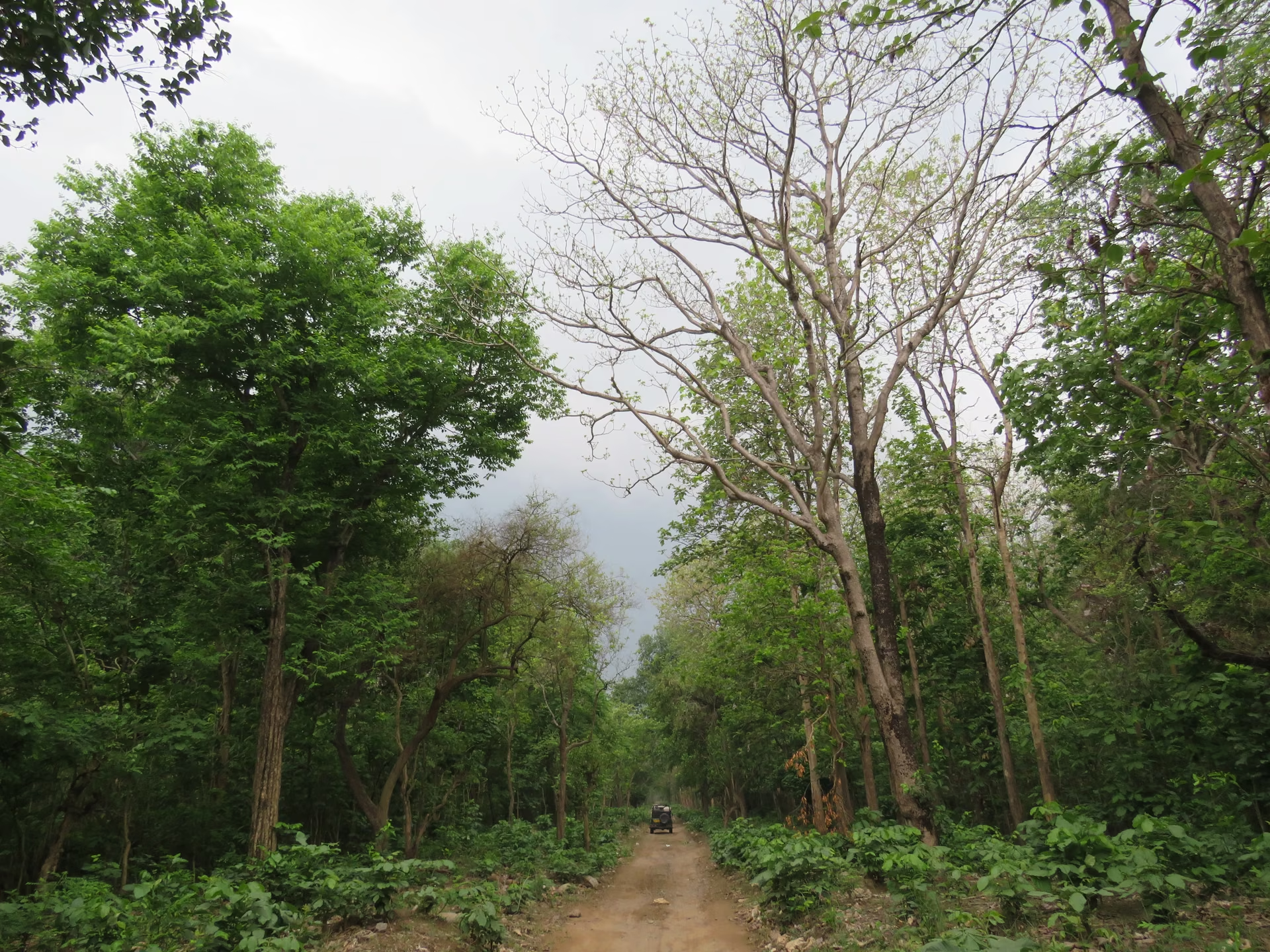
The first hour inside the park is often the most atmospheric. In the cooler months (November to February), mist hangs low over grasslands and riverbeds. The light is soft and cool, bird calls fill the canopy, and the forest feels still and intimate. As the sun rises, the light warms, shadows shorten and wildlife becomes more visible along the roads and near water sources.
Morning wildlife activity: Many of Rajaji's mammals — elephants, deer, wild boar and primates — are most active in the early hours before heat builds. Birds are vocal and active throughout the morning. Predators such as leopards are occasionally encountered at dawn along forest edges and ridgelines, though sightings are always a matter of chance.
Morning comfort: In winter, mornings are cold. Expect temperatures between 5°C and 10°C in December and January before the sun warms the forest. A warm jacket, layers and a cap are essential for the open jeep. In summer, morning is the most comfortable time to be in the forest, before temperatures climb above 35°C.
What time does the Rajaji evening safari start?
An evening safari starts in the early-to-mid afternoon and ends before or around sunset. The light shifts from bright afternoon sun to warm, directional golden light during the final hour — the period photographers call golden hour.
The forest has a different energy in the afternoon. The midday heat may have pushed some animals into shade, but as the temperature drops, animals begin to move again. Deer herds graze in clearings, elephants return toward riverbeds, and birdlife picks up again before roosting.
Evening wildlife activity: Animal movement in the evening often follows water. If your route passes a riverbed, stream or waterhole, there is a reasonable chance of seeing elephants, deer or other herbivores gathering to drink. Predators are occasionally more active in the fading light, though the closing time means you may have less time to explore deep into the forest.
Evening comfort: In winter, the afternoon is pleasant and far more comfortable than the cold morning, making evening safaris a good option for visitors who prefer not to wake before dawn. In summer, however, the afternoon can remain very hot, especially in May and June, which may reduce overall comfort.
Morning vs Evening: A Side-by-Side Comparison
Seasonal Considerations
Winter (November to February)
Winter mornings are cold but magical. Mist settles across grasslands and riverbeds, creating atmospheric conditions that many visitors find memorable. The early light is soft and diffused, bird activity peaks, and elephants are often on the move. If you are comfortable with the cold and can dress warmly, a winter morning safari is hard to beat.
Winter evenings are far more comfortable temperature-wise and still offer good wildlife activity and beautiful late-afternoon light. If you prefer a relaxed start to your day or are visiting with young children or elderly family members, an evening safari avoids the bitter pre-dawn cold.
Summer (March to June)
Summer mornings are the clear favourite. Temperatures are manageable at dawn, wildlife concentrates near water while it is still cool, and you avoid the peak heat of midday. By early afternoon, many animals rest in deep shade and become harder to spot.
Summer evenings can be uncomfortable, especially in May and June when temperatures may still exceed 35°C at safari start time. If you must choose an evening slot in summer, carry extra water and sun protection, and focus on routes that pass water sources.
Shoulder Seasons (October, March)
October and March are transitional months where both slots offer good conditions. In October, the post-monsoon forest is lush and green, with active wildlife and pleasant temperatures in both morning and evening. In March, warming days mean mornings remain comfortable while evenings begin to feel warmer.
Photography Implications
Morning light in Rajaji ranges from cool blue tones before sunrise to warm directional light through the first two hours. Winter morning fog adds depth and drama to forest and landscape shots. The diffused light is forgiving for exposure and produces soft, natural tones.
Evening light during the golden hour — the final hour before sunset — produces the warm, dramatic tones that photographers prize. Long shadows, amber highlights and backlit subjects create strong visual impact. This is often considered the most photogenic time of day in any forest.
Neither slot is universally better for photography. Morning favours atmospheric and misty scenes; evening favours warm, high-contrast images. If photography is your main goal, consider booking both slots to capture the full range of Rajaji's light. Read our wildlife photography guide for camera settings and zone-specific tips.
Matching Your Safari Slot to Your Travel Plan
If you are visiting Haridwar or Rishikesh alongside Rajaji, the safari slot affects your broader itinerary. A morning safari lets you spend the afternoon exploring temples, ghats or yoga centres. An evening safari lets you enjoy a relaxed morning at your hotel or in town, then head to the park after lunch.
If you are staying in Rishikesh, a morning safari allows you to attend the evening Ganga aarti at Parmarth Niketan without any schedule conflict. An evening safari works well if you want to explore Rishikesh in the morning and do the safari before heading to a later dinner.
For travellers with an early train or flight the next day, an evening safari avoids the need to wake before dawn, leaving your departure morning stress-free. However, ensure you have enough time to return from the reporting gate before your onward travel. See our route planning guide from nearby cities for timing estimates.
Which Safari Slot Should You Choose?
Choose a morning safari if: you want peak wildlife activity, cooler temperatures in summer, atmospheric fog in winter, the best chance for birds and active mammals, or the rest of the day free for other activities.
Choose an evening safari if: you prefer a relaxed start, want golden-hour photography light, are visiting with family members who struggle with very early mornings, are staying in winter and want to avoid the bitter cold, or have travel logistics that make a morning slot impractical.
Can I do both morning and evening safaris on the same day?
Book both if: you have the time and want the fullest Rajaji experience. Two safaris in one day — one morning, one evening — give you different light, different animal movement patterns and two passes through the forest, which increases your overall chance of varied wildlife encounters.
The right choice is the one that fits your comfort, your schedule and the season. For help choosing a safari zone in addition to the timing, see our zone comparison guide. To confirm current availability and timing for your travel dates, reach out through the booking page.