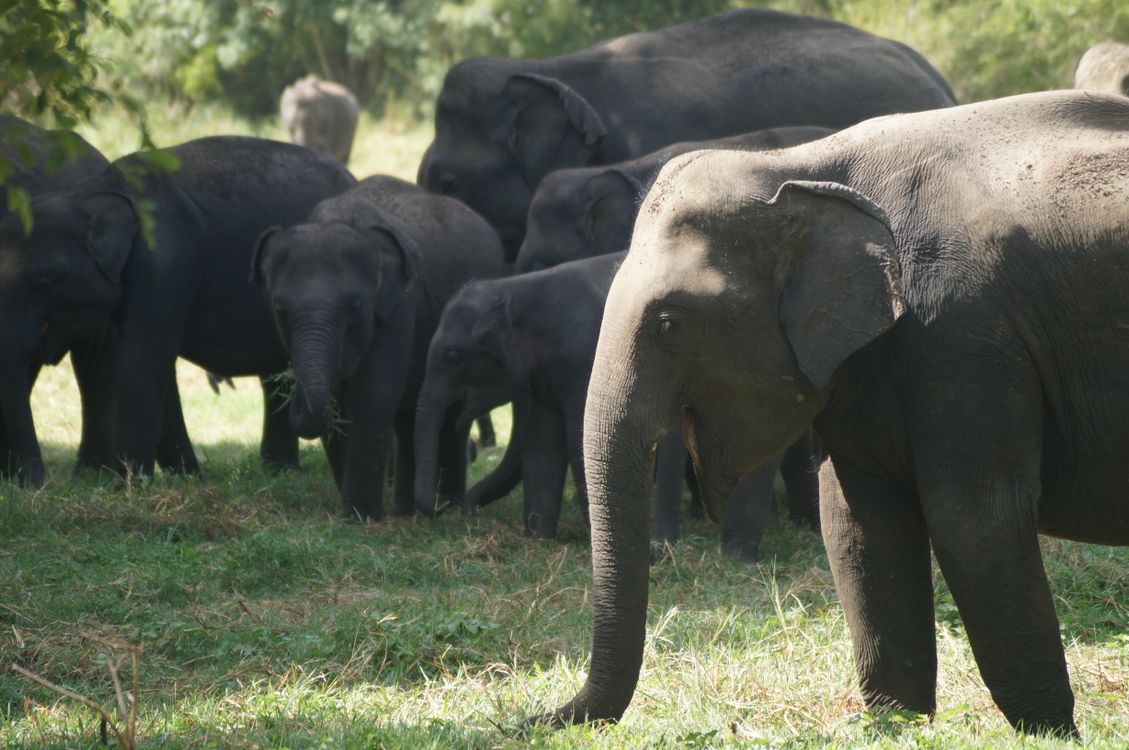
Rajaji Tiger Reserve: A Critical Corridor in Northern India
Rajaji National Park was declared a tiger reserve in 2015, joining an elite network of protected areas that serve not just as wildlife habitat but as living proof that India can balance development and conservation. With approximately 600 Asian elephants, 50-60 tigers, and one of the most important wildlife corridors in northern India, Rajaji is a conservation story with global significance.
This guide explains what makes Rajaji ecologically critical, the threats it faces, the conservation programs actively protecting it, and how responsible safari tourism directly funds the work of keeping this landscape wild.
The Shivalik Ecosystem: Why This Landscape Matters
The Shivalik Hills are the youngest geological formation in the Himalayas, a range of parallel sandstone ridges running from the Indus in Pakistan through Uttarakhand and into Nepal. Rajaji occupies the largest protected tract of this ecosystem in India.
What makes the Shivalik landscape unique is the overlap of three major Indian ecosystems: the Himalayan bhabar grasslands, the Indo-Gangetic deciduous forest, and the drier scrub of the outer Himalaya. This convergence supports extraordinary biodiversity — 315+ bird species, 30+ mammals, and a vegetation gradient that changes within a few kilometers of elevation.
The park spans 2,145 square kilometers across three Uttarakhand districts — Haridwar, Dehradun, and Pauri Garhwal — with the Ganges forming its western boundary. This is the first place the river touches the plains after descending from Gaumukh in the upper Himalaya.
The Asian Elephant: Rajaji's Conservation Flagship
The Asian elephant (Elephas maximus indicus) is Rajaji's most significant conservation species. With approximately 600 individuals, the park holds one of the most important populations in the northern elephant range, connecting the Himalayan foothill populations to those in the Indian peninsula through the Terai-Duar corridor system.
Unlike their African cousins, Asian elephants in Rajaji have a critical human interface: villages on the forest fringe face crop-raiding and property damage. Human-elephant conflict is one of the most challenging aspects of elephant conservation here. The forest department maintains electric boundary fencing, elephant-proofing trenches, and rapid response teams in high-conflict areas.
Elephants in Rajaji are most active in the cooler hours and near water sources. The great riverine crossings at Chilla and the waterhole congregations in Jhilmil during March-May are among the park's signature experiences. Visitors consistently report that elephants are the most reliably sighted large mammal in Rajaji.
Read more about what to expect on a safari in our wildlife guide.
Rajaji's Tiger Population and the Corbett Connection
The 2022 All India Tiger Estimation recorded approximately 50 tigers in the Rajaji-Corbett landscape. Individual Rajaji territories are typically in the river valleys and forested slopes of the park's interior. Tigers disperse between Rajaji and Jim Corbett through the Murlidhar Corridor — a critical stretch of forest that, if severed by infrastructure development, would fragment the genetic pool of northern India's tiger population.
The corridor's significance extends beyond tigers. It allows gene flow for elephants, leopards, and other wide-ranging species. Conservation organizations including WWF India, Wildlife Trust of India, and the Uttarakhand Forest Department jointly monitor and advocate for corridor protection.
Key Conservation Programs
Project Elephant
Launched in 1992, Project Elephant is India's flagship elephant conservation program, and Rajaji is one of its most important operational sites. The project funds habitat improvement, anti-poaching operations, conflict mitigation, and community development programs in villages adjacent to the reserve.
National Tiger Conservation Authority (NTCA)
Since Rajaji's elevation to tiger reserve status in 2015, NTCA guidelines have governed land-use decisions within the reserve boundary. Mining, industrial development, and major infrastructure projects require Tiger Reserve clearance — an additional environmental review specifically assessing impacts on tiger habitat and corridor connectivity.
MISHTI and Community-Based Conservation
The Uttarakhand Forest Department's eco-development committees work with buffer zone villages to develop alternative livelihoods — beekeeping, organic farming, handicrafts — that reduce dependence on forest resources. Villages in the buffer zone receive a share of tourism revenue, creating a direct economic incentive for conservation.
Anti-Poaching Operations
Rajaji has historically faced poaching pressure, primarily for tiger skin, bones, and elephant ivory (from naturally deceased animals, though this trade continues). Current anti-poaching operations include trained forest watch teams, camera trap monitoring networks, intelligence gathering, and community informants in fringe villages. Poaching incidents have declined significantly since the park received tiger reserve status.
Threats to Rajaji's Conservation Future
Habitat Fragmentation from Infrastructure
The most significant long-term threat to Rajaji is not poaching but fragmentation. The Char Dham Highway project, railway lines through the buffer zone, and urban expansion between Haridwar and Rishikesh create pressure on the narrow forest corridors that connect Rajaji's core habitat to Corbett and beyond. Environmental impact assessments and corridor protection advocacy remain ongoing battles.
Human-Wildlife Conflict
Elephants crossing into agricultural fields at the forest-fringe create economic losses and sometimes lethal encounters. The Uttarakhand Forest Department maintains a rapid response system, claims-based compensation, and physical barriers. Community attitudes toward wildlife are shaped by these experiences, making fair and timely compensation central to long-term conservation success.
Invasive Species
Lantana camara, an invasive shrub from Central America, threatens Rajaji's grassland ecosystems by outcompeting native species and reducing food availability for herbivores. The forest department runs active lantana removal programs in priority zones.
Water Scarcity in Summer
Climate change and upstream water diversion affect the natural water holes that sustain wildlife during April-June when surface water is scarce. Artificial waterhole maintenance and watershed development are part of the conservation strategy.
How Responsible Safari Tourism Supports Conservation
Every safari vehicle that enters Rajaji pays a forest department fee that funds ranger salaries, habitat maintenance, research, and community programs. The economic value of tourism in the Haridwar-Rishikesh corridor creates political incentives to protect the forest rather than convert it to other uses.
However, tourism is only a conservation ally when it is managed responsibly. Vehicle numbers are capped by the forest department. Safari routes are fixed to minimize disturbance to breeding areas and sensitive habitats. Silence rules exist for good reason — disturbance during the critical early morning hours affects feeding and movement patterns.
Choosing a direct local operator rather than an agency intermediary means a larger portion of your safari fee reaches the people and programs working on the ground. Operators based in Chilla and Haridwar have a direct relationship with the forest department and are incentivized to maintain the park's long-term health rather than maximize short-term volume.
What Visitors Can Do for Rajaji Conservation
Follow all park rules — do not litter, do not feed animals, do not deviate from safari routes. Choose a responsible operator who follows the forest department's guidelines. Report any suspicious activity to park staff. Support forest-fringe community products when available.
Most importantly: visit Rajaji. The conservation argument that "this forest is more valuable standing than cut" depends on the revenue and political attention that responsible visitors generate. Every well-conducted safari reinforces the case that wild places have economic value precisely because they remain wild.
For planning your safari visit, start with our zone guide and fees and permit information. For seasonal wildlife patterns, read the best time to visit guide.
Rajaji is not one of India's headline conservation stories. It does not have Corbett's tiger celebrity or Gir's lion spectacle. What it has is an intact, functioning ecosystem that supports both the elephants and tigers that define Indian wildlife, in a landscape where they evolved together over millennia. That is worth protecting. And it is being protected, one safari at a time.