Why Timing Matters for Your Rajaji Safari
Rajaji National Park in Uttarakhand is one of northern India's most rewarding wildlife destinations, but the experience changes dramatically depending on when you visit. The park's location in the Shivalik foothills means it experiences three distinct seasons — winter, summer and monsoon — each offering a completely different landscape, weather and wildlife experience.
Choosing the right time to visit depends on what you want to see, how much heat or cold you can handle and how many other visitors you are comfortable sharing the forest with. This guide breaks down every season and every month so you can plan the perfect Rajaji safari.
Winter Season (November to February) — The Best Overall Season
Winter is widely considered the best time to visit Rajaji National Park. The park reopens around November 15 after the monsoon closure, and the first few weeks offer a freshly washed forest with lush green undergrowth and active wildlife.
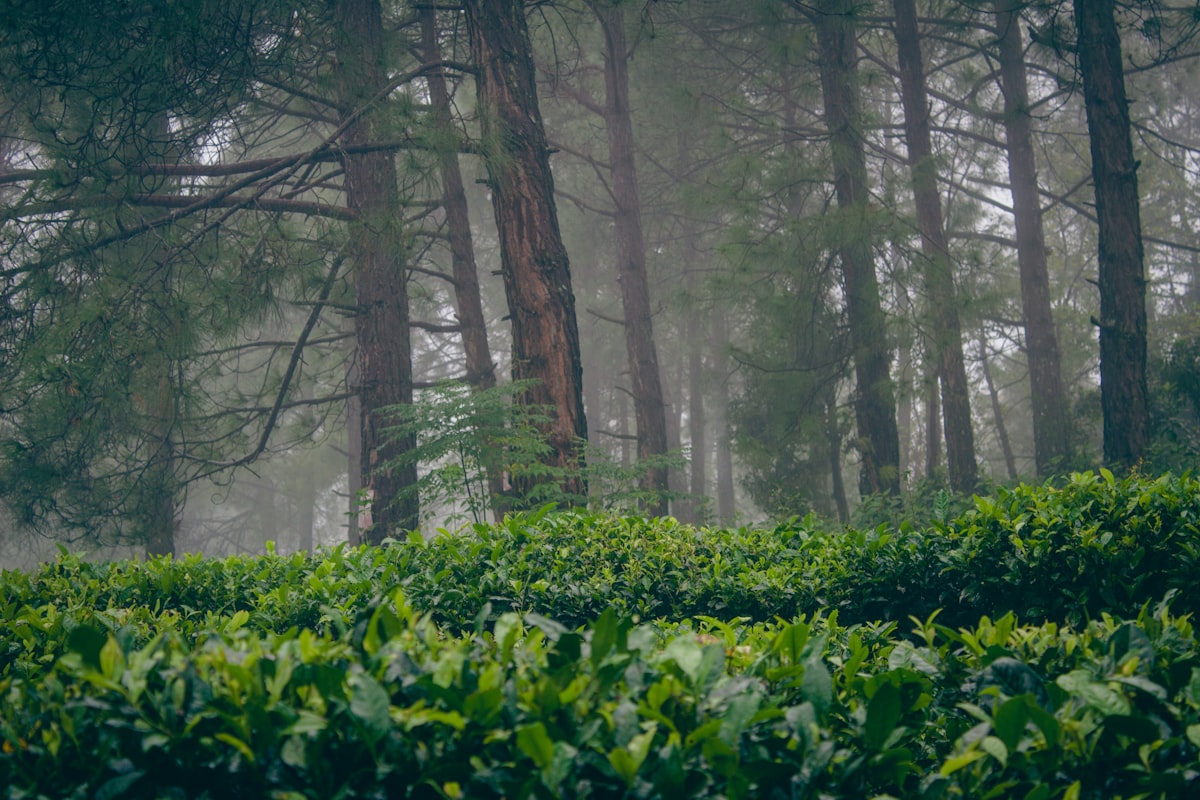
Weather: Daytime temperatures range from 15°C to 25°C, making jeep safaris extremely comfortable. Mornings can be chilly, dropping to 5°C or even lower in December and January, so warm layers are essential for early morning safaris. Morning fog is common along the riverbeds and grasslands, creating atmospheric conditions that many photographers love.
Wildlife activity: Winter is excellent for elephant sightings. Large herds move through the Chilla and Motichur zones, often visible along forest roads and near water sources in the mornings. Leopards are present but remain elusive in all seasons. Birdlife is at its peak during winter because migratory species from Central Asia, Siberia and the higher Himalayas descend into the Shivalik foothills. The Jhilmil wetland zone attracts migratory ducks, herons, storks and waders.
Tourist crowds: Winter is peak tourist season, especially from mid-November through January. Weekends, Christmas, New Year and Republic Day long weekends see the highest demand. Safari slots fill up quickly, so advance booking is strongly recommended. If you prefer a quieter experience, plan your visit on weekdays in late November or early December.
November: The park reopens and the forest is green and fresh after months of monsoon rain. Wildlife is active and the first migratory birds begin arriving. A wonderful time for a first safari of the season.
December: Peak season with cold mornings and pleasant afternoons. Morning fog adds atmosphere to the landscape. Elephant herds are active and birdlife is excellent. Book well in advance for weekends and holidays.
January: The coldest month with temperatures sometimes dropping near freezing at dawn. Migratory bird numbers are at their highest. Clear skies and crisp air make for beautiful photography. Republic Day weekend is extremely busy.
February: Many experienced wildlife enthusiasts consider February the single best month for Rajaji. The weather is warming but still comfortable, vegetation is thinning which improves visibility, migratory birds are still present and tourist crowds begin to ease after the January rush.
Summer Season (March to June) — Best for Wildlife Concentration
Summer in Rajaji is hot but offers some of the most rewarding wildlife sightings of the year. As water sources shrink across the forest, animals congregate around the remaining rivers, streams and waterholes, making them easier to locate and observe.
Weather: Daytime temperatures climb steadily from 30°C in March to over 40°C in May and June. Early morning safaris are more comfortable, while afternoon safaris can be very hot. Carry plenty of water, sun protection and a hat. Light, breathable clothing in neutral colours is essential.
Wildlife activity: Summer is arguably the best season for elephant sightings. Large herds gather near the Ganga riverbed and other permanent water sources, sometimes spending hours bathing and drinking. This concentration of wildlife near water makes summer safaris productive for photography. Deer, wild boar and primates are also commonly seen along water sources. Leopards and tigers may visit waterholes in the early morning or late evening, though sightings remain uncommon.
Tourist crowds: Summer sees fewer visitors than winter, particularly in May and June when the heat deters casual tourists. This means more availability for safari bookings and a quieter forest experience. Weekdays are especially uncrowded.
March: A transitional month with warm days and cool mornings. Wildlife is active and vegetation continues to thin. An excellent month that combines good weather with strong wildlife viewing. Along with February, March is considered one of the best months for Rajaji safari.
April: Temperatures rise noticeably. Water sources begin to shrink and wildlife starts congregating near rivers. Elephant sightings become more frequent. Morning safaris are recommended to avoid the midday heat.
May: One of the hottest months but also one of the best for dedicated wildlife enthusiasts. Elephant herds are highly visible near water. Bird activity shifts to early morning and late afternoon. Carry extra water and sun protection.
June: The hottest month with temperatures regularly exceeding 40°C. Pre-monsoon showers may arrive late in the month. Wildlife viewing remains excellent near water sources. The park closes at the end of June as the monsoon approaches.
Monsoon Season (July to October) — Park Closure and Limited Access
The monsoon brings heavy rainfall to the Shivalik foothills, and Rajaji National Park closes for the season. The closure typically runs from July 1 through September 30, though exact dates vary each year based on weather conditions and Forest Department decisions.
July to September: The park is closed to all visitors. Heavy rains make forest roads impassable, rivers swell and the dense undergrowth makes wildlife viewing impractical. This is the breeding season for many species and the closure allows the forest to regenerate undisturbed.
October: Some zones may reopen in October depending on rainfall patterns and road conditions. The Forest Department assesses each zone individually. If the park opens in October, visitors are treated to a spectacularly green landscape with fresh vegetation and active birdlife. However, roads may still be muddy and some routes may be restricted. The Jhilmil zone sometimes operates slightly longer or opens earlier than other zones.
Should you visit in October? If a zone is open, an October safari can be rewarding for the landscape alone — the forest is at its most lush and photogenic. Wildlife can be harder to spot in the dense vegetation, but the experience is unique. Check with your safari operator for current zone availability.
Best Time for Specific Wildlife
Elephants: Year-round, but best in summer (May-June) when herds congregate near water. Winter also offers good sightings, especially in the mornings along forest corridors. Rajaji is home to over 500 wild Asian elephants.
Leopards: Leopards are present year-round across the Motichur, Ranipur and Chilla zones. Sightings are uncommon in any season due to the leopard's elusive nature. Early morning safaris in the Motichur zone offer marginally better chances, but no sighting can be guaranteed.
Tigers: Rajaji has a growing tiger population of over 50 individuals. Tiger sightings are rare compared to Corbett Tiger Reserve. Summer months when tigers visit water sources may offer slightly better chances, but tigers should never be the sole expectation of a Rajaji safari.
Birds: Winter (November to February) is the best season for birdwatching as migratory species join the 315-plus resident species. The Jhilmil wetland is excellent for waterbirds. Summer is good for raptors and resident forest species. See our complete birdwatching guide for details.
Morning vs Evening Safari — Which Is Better?
Winter mornings: Cold but magical. Morning fog creates atmospheric conditions and wildlife is active as the forest warms up. Elephant herds are often on the move. Bird activity peaks in the first two hours after sunrise. Carry warm layers.
Winter evenings: Pleasant and comfortable. Golden hour light is beautiful for photography. Wildlife becomes active again as the heat of the day fades. A good option if you prefer not to wake before dawn.
Summer mornings: The best time slot in summer. Temperatures are still manageable and wildlife is most active before the heat sets in. Water source visits by elephants and other animals are more likely in the early hours.
Summer evenings: Can still be very hot, especially in May and June. Wildlife activity picks up again as temperatures drop. Evening light can be excellent for photography but the overall experience may be less comfortable than a morning safari.
For a detailed comparison of safari zones and what each offers, see our complete zone guide.
Month-by-Month Quick Reference
November: Park reopens. Green forest, early migrants arriving. Good overall conditions.
December: Cold mornings, peak season. Excellent wildlife and birding. Book in advance.
January: Coldest month. Peak migratory bird numbers. Busy holiday weekends.
February: Best overall month. Comfortable weather, thinning vegetation, good wildlife.
March: Warming up. Excellent wildlife viewing. Fewer crowds than winter peak.
April: Hot days. Wildlife concentrating near water. Good for elephants.
May: Very hot. Best elephant sightings near water sources. Quiet tourist period.
June: Hottest month. Park closes end of June. Pre-monsoon showers possible.
July-September: Park closed for monsoon.
October: Some zones may reopen. Lush green landscape. Check availability.
Planning Your Visit
Regardless of when you visit, advance booking is recommended — especially during peak winter season. Carry your government-issued photo ID, dress in neutral colours and arrive at the reporting gate at least 30 minutes before your scheduled safari time. For booking assistance, reach out to Rajaji Jeep Safari and the team will help you plan based on current conditions and availability.
For a complete comparison with other Uttarakhand parks, see our guide on Rajaji vs Jim Corbett.
Frequently Asked Questions
When is Rajaji National Park open?
Rajaji National Park is typically open from November 15 to June 30 each year. The Jhilmil Conservation Reserve zone may extend its season until July 15 depending on weather and Forest Department decisions. The park remains closed during the monsoon months of July through September.
Which is the best month for Rajaji safari?
February and March offer the best balance of pleasant weather, active wildlife and manageable tourist crowds. Temperatures are comfortable, vegetation is thinner making animals easier to spot, and migratory birds are still present.
Is Rajaji open in monsoon?
Rajaji National Park is closed during the monsoon season from July to September. Some zones may open in October depending on rainfall, road conditions and Forest Department decisions. The Jhilmil zone sometimes operates slightly longer into the monsoon.
When can I see elephants in Rajaji?
Elephants can be seen year-round in Rajaji as the park supports over 500 resident individuals. Summer months (May and June) offer the best sightings as herds congregate near water sources. Winter mornings also provide good viewing opportunities along forest corridors and riverbeds.