Why Combine Haridwar, Rishikesh and Rajaji in One Trip
These three destinations sit within 50 kilometers of each other in the foothills of Uttarakhand, yet each offers something entirely different. Haridwar delivers ancient spiritual energy at the Ganges ghats. Rishikesh brings adventure, yoga, and the gateway-to-the-Himalayas atmosphere. Rajaji National Park gives you wild India — elephants, leopards, kingfishers, and the raw Shivalik landscape that existed long before the temples were built.
Three days is enough to experience the best of each without rushing. This itinerary is designed for first-time visitors arriving by train from Delhi, but works equally well for those driving from Chandigarh or Dehradun.
Day 1: Haridwar — The Spiritual Heart of Uttarakhand
Morning: Arrival and Old Town Temples
If arriving from Delhi by train (Shatabdi or Jan Shatabdi from New Delhi or Hazrat Nizamuddin), you will reach Haridwar Junction around 10:30 AM. From the station, auto-rickshaws reach Har Ki Pauri in about 10 minutes. Leave your bags at your hotel and begin exploring.
Start at Har Ki Pauri, the most sacred ghat on the upper Ganges. The stone steps mark the exact spot where the river leaves the mountains and enters the plains. The morning crowd is a mix of Sadhus, pilgrims taking ritual baths, and families performing prayers for deceased ancestors. The atmosphere is authentic rather than performative.
Wander up through the old town lanes to Mansa Devi Temple (15-minute walk from Har Ki Pauri). The hilltop position gives a view across the Ganges toward the Shivalik Hills. The temple complex is dedicated to the goddess Mansa, who is said to have appeared here in antiquity.
Afternoon: Chandi Devi and Ghat Exploration
Take the ropeway (Chandi Devi Ropeway, operational daily except during monsoon) up to Chandi Devi Temple. The 10-minute cable car ride across the river valley is worth the ticket price alone for the aerial view. At the summit, the temple is dedicated to the goddess Chandi who, according to Hindu legend, defeated the demons Chanda and Munda here.
Return to the river ghats in the late afternoon. Walk north from Har Ki Pauri along the ghats to observe local ritual life, the flower markets that supply evening offerings, and the sadhus who have made the riverbank their permanent home. The quality of light on the river between 4:30-5:30 PM is exceptional for photography.
Evening: Ganga Aarti at Har Ki Pauri
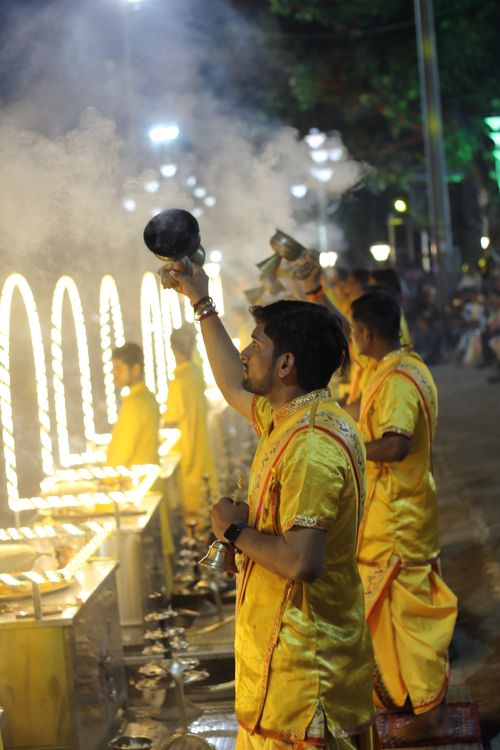
The evening Ganga Aarti at Har Ki Pauri is the single most iconic experience in Haridwar. At exactly sunset (varies from 5:15 PM in winter to 7:15 PM in summer), a line of priests performs a synchronized fire offering to the river. The chanting, the conch shells, the rising smoke, and thousands of floating diya lamps create an overwhelming sensory experience.
Arrive at least 45 minutes early to secure a good position on the upper steps of the ghat. The view from the bridge overhead is also excellent. There is no charge to watch — the aarti happens every evening without exception.
Stay overnight in Haridwar, in a hotel within walking distance of the ghat. The area around Har Ki Pauri has options from budget guesthouses to three-star hotels.
Day 2: Rishikesh — Yoga, Adventure, and the Sacred River
Morning: Drive to Rishikesh and Laxman Jhula
Leave Haridwar early by taxi, bus, or local shared jeep (the road follows the river and takes 45 minutes to one hour). Rishikesh arrives gradually, the buildings thinning as the river narrows between hills.
Begin at Laxman Jhula, the suspended iron bridge across the Ganges that has become Rishikesh's most photographed landmark. The bridge sways enough to make crossing an experience in itself. Walk from the bridge into the riverbank village of Swarg Ashram, where the lanes are vehicle-free, lined with vegetarian restaurants, yoga shops, and temples.
Visit Bharat Mandir, Rishikesh's oldest temple, dedicated to Lord Vishnu in the form of the sacred pinwheel (Darba Atma). The temple is small, ancient, and largely untouched by commercial development.
Afternoon: Ram Jhula and Triveni Ghat
Cross to Ram Jhula (another suspended bridge, 2 km south of Laxman Jhula) by walking or taking a local boat. The area around Ram Jhula is slightly less crowded and has more established ashrams. The Beatles Ashram (Chaurasi Kutia) in the forest on the south side is open for visitors and has beautiful original artwork by the famous band members.
Drive or take the bus north to Triveni Ghat, where the Ganges, Yamuna, and the mythical Saraswati converge. The bathing ghats are active throughout the day. The temple complex at the top of the steps is dedicated to various deities and has panoramic river views.
Evening: Rishikesh Aarti at Parmarth Niketan
Parmarth Niketan ashram, just north of Laxman Jhula, hosts a smaller, more intimate evening aarti than Haridwar. The setting — directly on the river with hills behind — is beautiful. Many visitors find the Rishikesh aarti preferable to the larger Haridwar one for its quieter atmosphere.
Stay overnight in Rishikesh. The area around Laxman Jhula and Tapovan has excellent accommodation options, including riverside camps and ashram stays.
Day 3: Rajaji National Park — The Safari
Early Morning: Drive to the Safari Gate
Wake before dawn. Your safari booking requires you at the gate 15-20 minutes before the opening time (6 AM in winter, 5 AM in peak summer). From Rishikesh, the drive to Chilla Gate takes about 30 minutes via NH7 toward Haridwar.
The drive itself passes through a landscape that transitions from river valley to forested Shivalik slopes. If you arrive with enough time for a second safari, book an evening slot as well.
Which zone to choose for your safari: Read our detailed zone comparison. For most visitors with only one safari, Chilla is the most reliable choice for elephant sightings and river scenery.
Mid-Morning to Afternoon: The Safari Experience
A Rajaji jeep safari lasts approximately 3.5 hours. In that time, you may encounter: Asian elephant herds (highly likely), sambar deer, chital, barking deer, blue bull (nilgai), langur, rhesus macaque, wild boar, kingfishers, great hornbills, and with significant luck, a leopard or tiger track. The Murlidhar Corridor connects Rajaji to Corbett, and occasional tiger dispersals have been recorded.
Carry a valid government photo ID (Aadhaar, passport, driving licence). Every visitor's ID is checked at the gate. Read our entry fees and permit guide for current pricing.
Late Afternoon: Departure or Extend
If you have more time, consider spending the night in Chilla or Motichur area forest rest houses. If departing for the evening, you will reach Haridwar Junction by around 2:00-2:30 PM, or drive to Dehradun (45 minutes) for the Jolly Grant airport.
Budget Breakdown
Transport: Delhi-Haridwar train: Rs 400-1,200 (sleeper to AC chair). Haridwar-Rishikesh local: Rs 50-200. Rishikesh-Chilla Gate return: Rs 800-1,500 by private taxi.
Accommodation: Budget Rs 600-1,200/night, Mid-range Rs 1,500-3,000/night, Premium Rs 4,000-8,000/night.
Safari: Jeep cost Rs 3,500-6,000 per gypsy (up to 6 passengers), guide fee Rs 300-500, entry fees vary by nationality. See the complete fee breakdown.
Food: Rs 200-600 per day at local restaurants and ashrams.
Tips for This Itinerary
The best season for this combined trip is November to February: comfortable temperatures, excellent safari conditions, and the Ganga Aarti atmosphere at its most profound during the winter months. If you are visiting in summer (March-June), book safaris well in advance as the park sees higher tourist volumes during school holidays.
Wear comfortable walking shoes for Haridwar and Rishikesh (the ghat steps are uneven, and temple areas require walking). For the safari, follow the packing guide with neutral-colored clothing and sun protection.
Haridwar and Rishikesh are strictly vegetarian towns in the sacred precincts. Non-vegetarian food is available in limited areas outside the temple zones, and alcohol is not readily available in either city. Rajaji National Park prohibits alcohol on safari entirely.
For families considering this itinerary, read our family safari guide for age-appropriate recommendations on all three destinations.