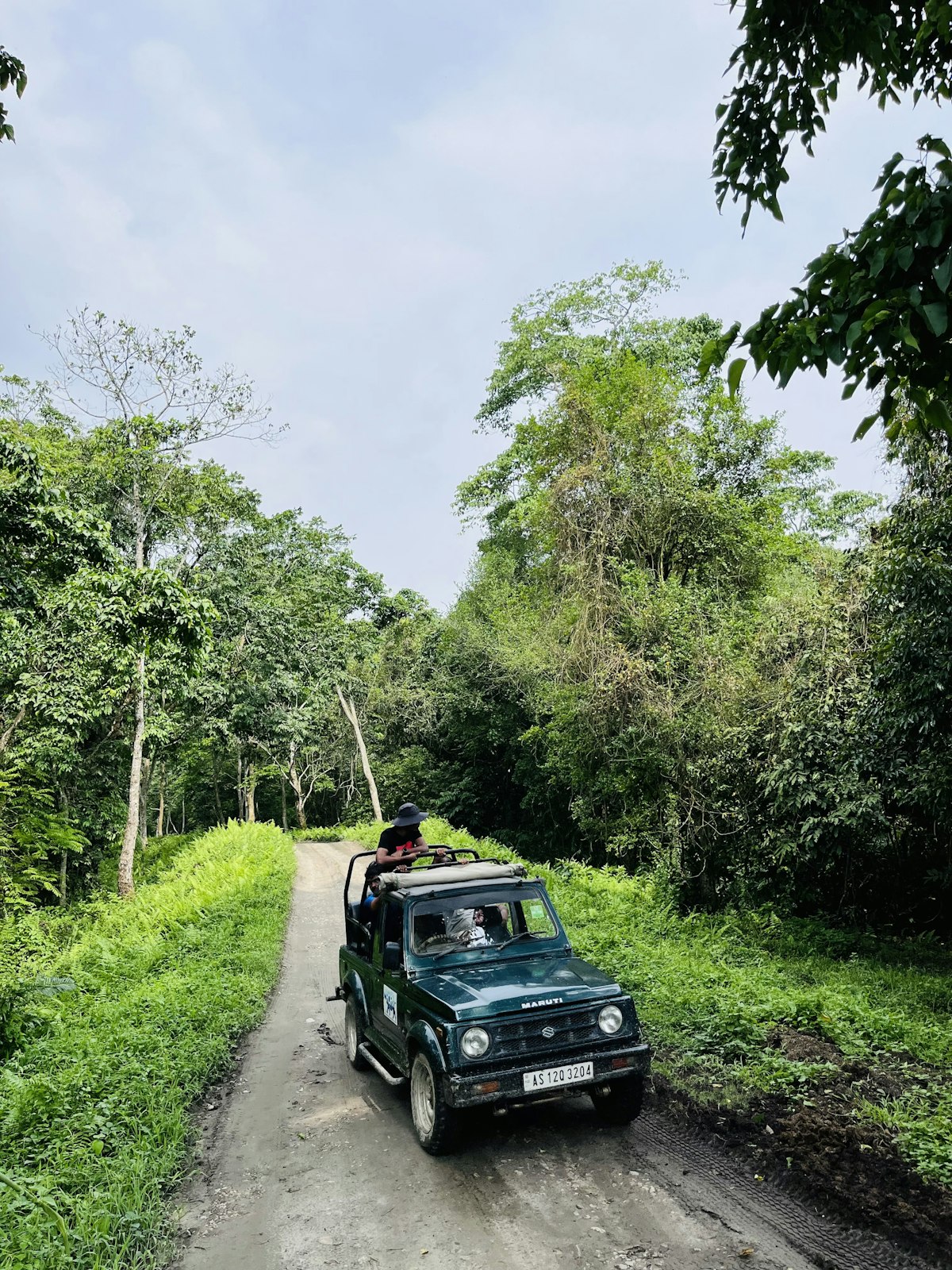
Why Packing Right Matters for Your Rajaji Safari
A Rajaji jeep safari takes you deep into the Shivalik foothills in an open vehicle for three to four hours. There are no shops inside the forest, the weather can change quickly between seasons and the right gear can make the difference between a comfortable, memorable experience and an uncomfortable one.
This packing checklist covers everything you need for a Rajaji safari, organised by category and adjusted for the season you are visiting. Whether you are a first-time safari-goer or a seasoned wildlife traveller, use this guide to make sure nothing important gets left behind.
Clothing — Dress for the Forest
Colour matters: Wear neutral earth tones — olive, khaki, beige, brown, dark green or grey. These colours blend with the forest environment and are less likely to startle wildlife. Avoid bright colours like red, orange, yellow and neon shades. White stands out in the forest and shows dust easily, so it is best avoided.
Winter (November to February): Layering is essential. Early morning safaris can be very cold, with temperatures dropping to 5°C or lower in December and January. Wear a warm base layer, a fleece or insulated jacket and a windproof outer layer. As the morning warms up, you can remove layers. A beanie or warm cap and a scarf are useful for open jeep safaris in cold weather. Gloves are recommended for photographers who need to handle cameras in the cold.
Summer (March to June): Light, breathable clothing in cotton or moisture-wicking fabrics. Long sleeves protect against sun and insects. A wide-brimmed hat or cap is essential. Light colours in earth tones reflect heat better than dark colours. Carry a light scarf or buff for dust protection on forest roads.
Shoulder seasons (November, March): Carry a light jacket for mornings and evenings, with lighter clothing for midday. Weather can be unpredictable during these transitional months.
Footwear — Comfortable and Practical
Closed-toe shoes are recommended for safari. You will be sitting in a jeep for hours and may need to step out at designated points. Comfortable sneakers, light hiking shoes or trail shoes work well. Avoid sandals or flip-flops during the safari itself — forest roads are dusty and there may be insects.
If you are staying at a camp or lodge, carry a pair of comfortable sandals or slippers for use around the accommodation. If you plan to do any nature walks or birding outside the safari, light hiking boots with ankle support are a good idea.
Sun Protection — Essential in Every Season
The Shivalik foothills receive strong sunlight even in winter, and summer sun can be intense. Pack the following:
Hat: A wide-brimmed hat or a cap with a neck flap provides the best protection. Baseball caps leave the neck and ears exposed.
Sunscreen: SPF 30 or higher, applied generously to face, neck, ears and hands. Reapply after a few hours if sweating. Choose a sweat-resistant formula for summer safaris.
Sunglasses: Polarised sunglasses reduce glare and help you spot wildlife in bright conditions. A retainer strap prevents them from falling off on bumpy forest roads.
Lip balm with SPF: Often overlooked but important, especially in dry winter and hot summer conditions.
Camera Gear — Capture the Moment
Rajaji offers excellent photography opportunities, from elephant herds near water to birds in the forest canopy. Here is what to bring:
Camera body: Any DSLR or mirrorless camera will work. If you are choosing between cameras, the one with better autofocus and higher burst rate will serve you better for wildlife.
Lens: A telephoto lens is essential. A 200-600mm zoom is ideal for wildlife at a distance. A 100-400mm or 70-200mm lens works well for closer encounters. If you only have one lens, a versatile 70-300mm or 100-400mm covers most situations. A wide-angle lens is useful for landscape shots but not essential.
Extra batteries: Carry at least two spare batteries. Cold weather in winter drains batteries faster, and you do not want to miss a sighting because of a dead battery.
Memory cards: Bring at least one spare card with plenty of capacity. Shooting in burst mode fills cards quickly.
Dust protection: Open jeep safaris on forest roads generate significant dust, especially in summer. Carry a rain cover or dust cover for your camera, a microfibre cloth for cleaning the lens and a sealed plastic bag for storage between safaris. A UV or clear protective filter on your lens adds an extra layer of protection.
Beanbag or monopod: A beanbag filled with rice or lentils (available locally) provides stable support for heavy telephoto lenses on the jeep's edge. A monopod is a lighter alternative.
Binoculars — Your Most Useful Tool
A good pair of binoculars is arguably the single most useful item on a Rajaji safari. Many experienced safari-goers consider binoculars more important than a camera. Wildlife is often at a distance, in dense vegetation or high in the canopy, and binoculars bring these sightings to life.
Recommended specifications: 8x42 or 10x42 binoculars offer the best balance of magnification, field of view and light-gathering ability. 8x42 is easier to hold steady and has a wider field of view, making it better for beginners. 10x42 offers more magnification for distant subjects.
If you do not own binoculars, consider borrowing or renting a pair. Your safari guide may have a pair available, but having your own ensures you never miss a moment.
Insect Repellent — Protect Against Bites
Mosquitoes and other biting insects are present in Rajaji, especially near water sources and during the warmer months. Apply insect repellent containing DEET (20-30%) or picaridin to exposed skin before the safari. Natural alternatives like citronella oil are less effective but better than nothing.
In summer, insects are more active. In winter, they are less of an issue but still present during warmer parts of the day. If you are sensitive to insect bites, consider wearing long sleeves and trousers even in summer.
Water Bottle and Snacks — Stay Hydrated and Energised
Carry at least 1.5 to 2 litres of water per person for a safari. Summer safaris require more — consider carrying 2 to 3 litres. A reusable water bottle is preferable to single-use plastic. Some safari operators provide water, but it is best to carry your own supply.
Light snacks are allowed on the jeep. Energy bars, dry fruits, nuts, biscuits and trail mix are good options. Avoid strong-smelling food items that might attract insects. Alcohol is strictly prohibited inside the national park.
Documents — Do Not Forget These
Government photo ID: Every visitor must carry a valid government-issued photo ID — Aadhaar card, passport, driving licence or voter ID. Foreign nationals must carry their passport with a valid visa. The ID details must match your booking information exactly.
Booking confirmation: Carry a printed or digital copy of your safari booking confirmation. Some entry gates require you to show confirmation before entry.
Camera registration: If you are carrying professional camera equipment, check whether camera charges apply and carry the receipt. See our entry fees and permits guide for current charges.
Medication and First Aid
Carry any personal medication you require. The nearest pharmacy may be far from the safari zone. A basic first aid kit with antiseptic cream, band-aids, pain relief tablets, anti-diarrhoeal medication and motion sickness tablets is recommended. If you are prone to allergies, carry antihistamines.
The jeep ride on forest roads can be bumpy. If you or anyone in your group is prone to motion sickness, take medication before the safari and sit where you can see the road ahead.
What NOT to Wear or Bring
Bright colours: Red, orange, yellow, neon and bright white can startle wildlife and reduce your chances of sightings. Stick to earth tones.
Strong perfume or cologne: Strong fragrances can alert animals to your presence from a distance. Skip perfume, aftershave and scented lotions on safari day.
Noisy accessories: Avoid jingling jewellery, bangles or accessories that make noise. The forest is a place of quiet observation.
Plastic bags: Plastic bags are banned inside many Indian national parks. Carry your items in cloth bags, backpacks or reusable containers.
Drone: Drones are strictly prohibited inside Rajaji National Park without special permission from the Forest Department.
Seasonal Packing Variations
November to February (Winter): Warm layers, beanie, gloves, scarf, warm socks. Sunglasses for bright winter days. Lip balm for dry air. Extra camera batteries (cold drains them faster).
March to April (Spring): Light jacket for mornings, lighter clothing for midday. Sunscreen and hat become more important. Insect repellent starts becoming necessary.
May to June (Summer): Maximum sun protection — hat, sunscreen, sunglasses, light long sleeves. Extra water (2-3 litres). Dust protection for camera. Insect repellent. Light scarf for dust on forest roads.
October (Post-monsoon): Light rain jacket possible. Green landscape means more insects — insect repellent essential. Roads may be muddy — closed-toe shoes important.
For a complete overview of what to expect on your safari day, read our step-by-step booking guide.
Frequently Asked Questions
What should I wear on a Rajaji safari?
Wear neutral earth tones such as olive, khaki, beige or brown. Choose comfortable layers — a light jacket for winter mornings, breathable cotton for summer. Avoid bright colours, white and strong patterns. Closed-toe shoes are recommended.
Can I bring food on Rajaji safari?
Light snacks and water are allowed on the safari jeep. Carry energy bars, dry fruits and biscuits in sealed containers. Alcohol is strictly prohibited inside the national park. Avoid carrying strong-smelling food items.
Do I need binoculars for Rajaji?
Binoculars are highly recommended but not mandatory. A good pair of 8x42 or 10x42 binoculars significantly enhances wildlife viewing, especially for birds, distant animals and forest canopy activity. Many visitors find binoculars more useful than a camera lens.
What camera lens is best for Rajaji safari?
A telephoto lens in the 200-600mm range is ideal for Rajaji safari photography. A 100-400mm or 70-200mm lens also works well for closer encounters. Bring extra batteries and memory cards, and use a dust-proof bag to protect your gear on open jeep safaris.