Is Rajaji Suitable for a Family Safari?
Absolutely. Rajaji National Park is one of the most family-friendly safari destinations in northern India. The park's accessible zones, manageable safari duration, diverse wildlife and proximity to Haridwar and Rishikesh make it an excellent choice for families with children of all ages.
Unlike some remote wildlife reserves that require long drives and overnight stays, Rajaji offers a straightforward day-safari experience that fits easily into a family holiday. Whether your children are toddlers or teenagers, a Rajaji safari can be a highlight of your Uttarakhand trip — with the right planning.
Age Recommendations and Guidelines
There is no strict minimum age for Rajaji safari. Children of all ages are permitted on jeep safaris. However, parents should consider the following when deciding whether their child is ready:
Under 3 years: Very young children may struggle with the 3 to 4 hour jeep ride, early morning wake-up calls and the need to sit relatively still. The bumpy forest roads can be uncomfortable and the noise of the jeep may be unsettling. If you do bring a toddler, ensure you have all necessary supplies and be prepared to leave the safari early if needed.
Ages 3 to 5: Children in this age group can enjoy a safari if they have some interest in animals. The key challenge is keeping them engaged and comfortable for the full duration. Shorter attention spans may mean they lose interest after the first hour. Bring snacks, a small toy or book for quieter moments and be realistic about expectations.
Ages 6 to 12: This is the ideal age for a Rajaji safari. Children old enough to understand what they are seeing, appreciate wildlife and follow basic safety instructions will have a wonderful time. Elephants, deer, peacocks and monkeys are particularly exciting for this age group. Consider giving them a pair of binoculars to make them feel involved.
Teenagers: Teenagers with any interest in nature, photography or adventure will enjoy Rajaji. The experience of being in an open jeep in a real forest, seeing wild animals in their natural habitat, is far more engaging than a zoo visit. Photography-inclined teens will find plenty to capture.
Best Zone for Families — Chilla
The Chilla zone is the most popular and practical choice for families. Here is why:
Accessibility: Chilla is the closest major zone to Haridwar (approximately 10-15 km), making it easy to reach without long drives. This is especially important with young children who may not tolerate extended car journeys well.
Varied landscape: Chilla offers a mix of sal forest, grasslands, riverine vegetation and the Ganga riverbed. This variety keeps the safari visually interesting — children are less likely to get bored when the landscape changes frequently.
Wildlife diversity: Chilla offers good chances of seeing elephants, spotted deer, sambar deer, wild boar, langurs, macaques, peacocks and various bird species. These are the animals that children find most exciting. While no sightings can be guaranteed, Chilla's diverse habitat increases the chances of memorable encounters.
Well-maintained roads: The forest roads in Chilla are generally in good condition, making the jeep ride smoother than in some of the more rugged zones. This matters when travelling with young children.
For a detailed comparison of all zones, see our complete zone guide.
What Kids Will Love
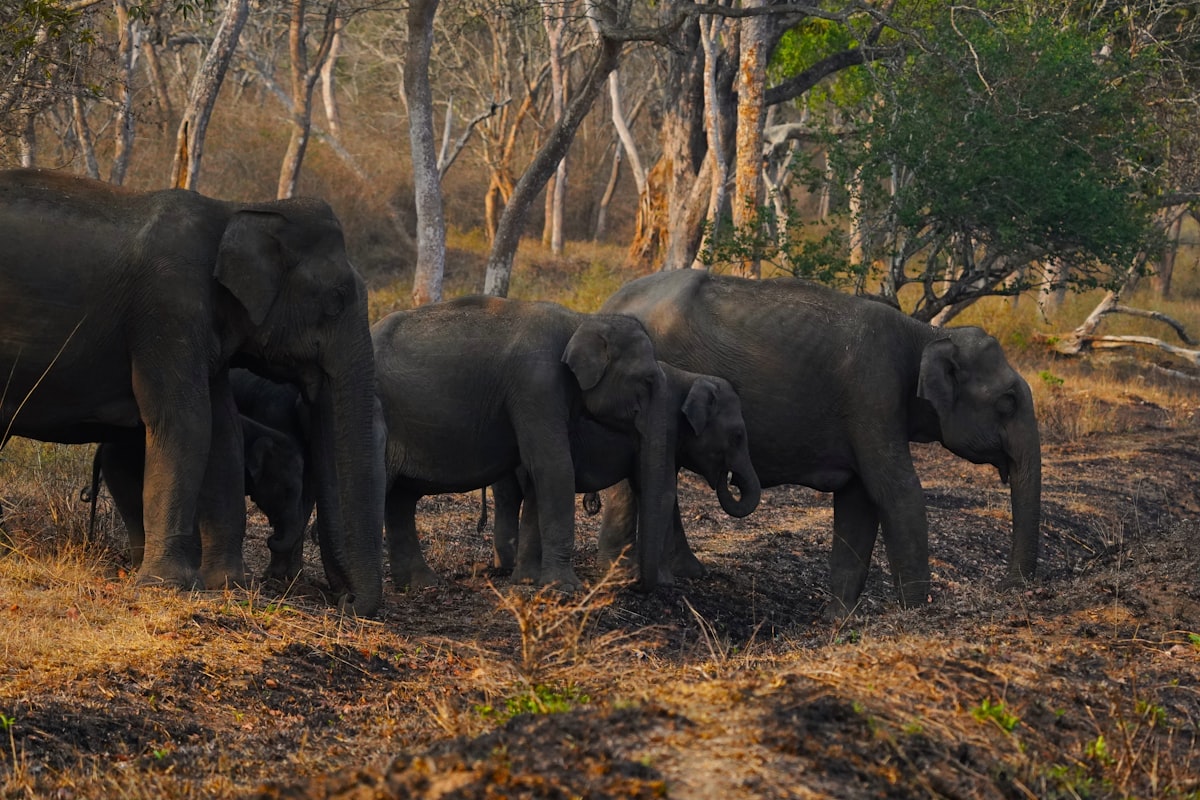
Elephants: Nothing compares to the excitement of seeing a wild elephant herd for the first time. Children are invariably thrilled by the sight of these massive animals in their natural habitat — much more exciting than seeing them in a zoo. Rajaji's elephant population of over 500 means good chances of sightings, especially in the Chilla zone.
Deer: Spotted deer (chital) are commonly seen in herds along forest roads and in grasslands. Their spotted coats and gentle appearance make them a favourite with children. Sambar deer, the largest deer species in the park, are also impressive.
Peacocks: Indian peafowl are abundant in Rajaji and their brilliant blue plumage is immediately striking. Children love watching peacocks walk across forest roads or display their feathers.
Monkeys: Hanuman langurs and rhesus macaques are commonly seen and always entertaining for children. Watching langur babies clinging to their mothers or macaques playing in the trees is a highlight for young visitors.
Birds: Even children who are not typically interested in birds may be captivated by the great hornbill's enormous size, the kingfisher's bright colours or the crested serpent eagle's dramatic appearance.
The jeep ride itself: For many children, the open jeep ride through the forest is an adventure in itself. The bumpy roads, the wind, the sounds of the forest and the sense of being in a wild place create lasting memories.
Safety Tips for Children
Stay seated: Children must remain seated in the jeep at all times during the safari. Standing up, leaning out or moving around while the jeep is in motion is dangerous on bumpy forest roads.
Keep arms inside: Children should keep their arms and hands inside the jeep. Reaching out towards vegetation or animals is not safe.
Follow guide instructions: Explain to your children before the safari that the guide's instructions must be followed immediately. If the guide asks everyone to be quiet or still, there is usually a good reason — often a nearby animal that could be startled.
No feeding animals: Feeding wild animals is prohibited and dangerous. Explain to children that the animals find their own food in the forest.
Stay together: If the safari stops at a designated point for a short walk or break, keep children close and within sight at all times.
Protect from sun and insects: Apply sunscreen and insect repellent before the safari. Carry a hat and water for each child. See our complete packing guide for family-specific recommendations.
Keeping Kids Engaged During Safari
Create a wildlife checklist: Before the safari, print or draw a simple checklist of animals and birds they might see. Children love ticking off each sighting, and it gives them a sense of purpose during quieter stretches.
Bring binoculars: Even an inexpensive pair of binoculars makes children feel like real wildlife explorers. Teach them how to use the binoculars before the safari so they are not fumbling when something exciting appears.
Tell stories: Share stories about the animals they might see. Talk about elephant families, how leopards hunt, why peacocks have beautiful feathers. Background knowledge makes sightings more meaningful.
Photography: Give children a camera or phone to take their own photos. Even blurry photos of a deer or elephant become treasured memories when taken by a child.
Play quiet games: During quieter stretches, play observation games — who can spot the first bird, count the number of deer, or identify animal tracks in the sand. These keep children engaged without disturbing the forest.
Snack breaks: Strategic snack breaks at scenic spots keep energy levels up and provide a welcome change of pace. Carry favourite snacks that children enjoy.
Duration Considerations
A standard Rajaji safari lasts 3 to 4 hours. For families with very young children (under 5), this can feel long. Here are some options:
Full safari: If your children are comfortable with longer outings, the full safari is the best experience. The most exciting wildlife sightings often happen in the second or third hour when the jeep moves deeper into the forest.
Early exit: Discuss with your guide and driver at the start of the safari. If a young child becomes restless or uncomfortable, it may be possible to return to the gate earlier than the scheduled end time. This depends on the zone and current regulations.
Morning vs evening: Morning safaris start early (around 6:00 AM) which can be challenging for families. Evening safaris (around 2:30 PM) may suit families better as children are awake, fed and alert. However, morning safaris generally offer better wildlife activity.
Accommodation Options for Families
Haridwar and Rishikesh offer a wide range of family-friendly accommodation from budget hotels to luxury resorts. Many hotels cater specifically to families with children, offering larger rooms, meal options and activity areas. Staying in Haridwar puts you closest to the Chilla zone entry gate.
For families who want a more immersive experience, some jungle resorts and camps near the park boundary offer cottage-style accommodation in a natural setting. These can be exciting for children but check facilities in advance — not all camps are suitable for very young children.
Nearby Family Attractions
One of the advantages of Rajaji over more remote parks is its proximity to Haridwar and Rishikesh, both of which offer family-friendly activities:
Haridwar: The evening Ganga Aarti at Har Ki Pauri is a spectacular experience for families. The ghats, temples and bustling bazaars provide cultural enrichment alongside the wildlife experience. Haridwar is approximately 10-20 km from the Chilla zone.
Rishikesh: Known as the yoga capital of the world, Rishikesh also offers gentle river rafting (suitable for older children), the iconic Laxman Jhula suspension bridge, Beatles Ashram and beautiful riverside walks. Rishikesh is approximately 20-25 km from the Chilla zone.
Neel Dhara Pakshi Vihar: A bird sanctuary near Haridwar that is an excellent addition to a Rajaji birdwatching trip. It is free to visit and offers easy walking paths suitable for children.
Packing Tips for Kids
In addition to the standard safari packing list, families with children should carry:
Extra snacks and water — children get hungry and thirsty more frequently. Favourite comfort items for very young children. A light blanket for cold morning safaris. Wet wipes and tissues. A small backpack with activities for quieter moments. Motion sickness medication if your child is prone to car sickness. Any regular medication your child takes. A change of clothes in case of spills or accidents.
For the complete packing list, see our Rajaji safari packing guide.
Best Season for Family Visits
November to February (Winter): The most comfortable season for families. Pleasant daytime temperatures mean children are not overheated. Morning safaris are cold but manageable with warm layers. Peak season means more availability of family-friendly accommodation. December and January holidays are popular — book in advance.
March (Early Spring): An excellent month for families. The weather is warming but not yet hot, wildlife is active and tourist crowds are lighter than the December-January peak. Schools may still be in session, so this works best for families with flexible schedules.
April to May (Summer): Hot but manageable if you choose morning safaris and stay hydrated. Fewer tourists mean more availability and a quieter experience. Summer offers excellent elephant sightings which children love.
For a detailed seasonal breakdown, see our complete seasonal guide.
Booking Your Family Safari
When booking a Rajaji safari with children, mention the ages of all children in your group. This helps the team recommend the best zone, timing and vehicle arrangement. For families with very young children, the Chilla zone with its smoother roads and varied wildlife is typically the best choice.
Contact Rajaji Jeep Safari to plan your family safari. The team can advise on current availability, the best timing for your visit and any specific requirements for travelling with children.
Frequently Asked Questions
Is Rajaji safari safe for children?
Yes, Rajaji safari is safe for children when proper supervision and guidelines are followed. Children must remain seated in the jeep at all times, and parents should follow all instructions from the guide and driver. The Chilla zone is particularly family-friendly.
What is the minimum age for Rajaji safari?
There is no strict minimum age for Rajaji safari. However, children under 5 may find the 3 to 4 hour jeep ride challenging. Parents should consider their child's temperament, ability to sit still and interest in wildlife when deciding.
Which Rajaji zone is best for families?
Chilla zone is the most popular and accessible option for families. It offers varied landscapes, good chances of seeing elephants, deer and peacocks, and well-maintained forest roads. The zone is also closest to Haridwar, making logistics easier for families.
How long is a Rajaji safari?
A typical Rajaji safari lasts 3 to 4 hours. Morning safaris usually run from around 6:00 AM to 10:00 AM, and evening safaris from approximately 2:30 PM to 5:30 PM. Exact timings vary by season and are set by the Forest Department.