The Haridwar zone carries two names on the reserve's own pages, sits against a working city rather than a wilderness edge, and is the entry point for anyone travelling with Haridwar as their base. This page reads the official zone page closely, keeps both names standing, prints the season statements it conflicts on, and links onward instead of re-listing the tariff.
Sources checked on 17 November 2026: the reserve's own Haridwar zone page, its day-visit booking page, its guest-login page and its FAQ; plus this site's own published pages, linked at the foot of this article.
What the zone is, and the two names
The location line reads simply Haridwar, Uttarakhand. The naming, however, runs across three documents: the FAQ calls the zone Ranipur, the booking page calls it Haridwar, and the zone page is named Haridwar while naming the Ranipur gate and the Ranipur forest rest house. This guide treats them as one entry — the same gate, the same permits, two labels — and says so rather than pretending the pages use a single name. When a permit arrives, the gate printed on it is the gate that decides where you report.
The gate, the rest houses and the forest
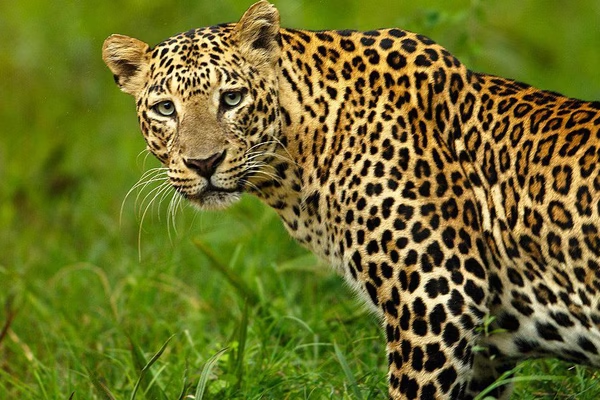
The page states that tourists book the safari vehicle from this gate, that the Ranipur forest rest house is near the Ranipur entry gate inside the tourism zone, and that the Lalita Rao Kutir or FRH sits in main Haridwar city near Chandi ghat on the bank of the Ganga. Its about section describes the Haridwar forest region as providing for safari by the park jeep run by the locals, with the chance en route to enjoy the natural beauty of the forest or to sight various wild animals including elephant. The elephant is the species this page names, and the wider reserve list — leopard, jungle cat, bear, hyena, goral, deer, vultures, hornbills and around 315 bird species published reserve-wide — applies here as everywhere. No animal population count and no sighting guarantee appears anywhere on this page.
The temples beside the forest
The zone page places the city's religious sites in the same breath as the forest, which is the practical value of this entry point. It names Chandi Devi ghat and temple, Mansa Devi temple and the Ganga at Har-Ki-Pauri as religious spots in Haridwar city near the Rajaji forest, and the Sureswari Devi temple near the Ranipur entry gate in dense forest. The reserve publishes no combined ticket and no timings for the temples, so this page invents none: the sensible order is to fix the safari shift first from the permit and to place the temple visits around it, rather than the reverse.
Season and shifts, reported not reconciled
Three statements again. The opening line says open for tourists from 15 November to 15 June and closed for day visit from 16 June to 14 November. The best-time line says summer March to June and winter October to February, which does not match it, and this page reports the pair as the page's own wording rather than choosing one. The FAQ gives the season in reverse, from 15 June to 15 November. The published shifts are 6 am to 10 am and 2 pm to 6 pm on the booking page, the conducted tour generally runs two to three hours depending on sunrise, sunset or the administration, and the live calendar is the only authority for your date.
Booking, identity and the rules
The published flow is select date, zone, shift, visitor details with the group leader, payment, ticket booked, then print the permit. The guest-login page adds that for non-Indians passport as identity proof is mandatory and that online booking can be done only with a static IP, preferably a desktop PC, which may not work on mobile or tablet devices using dynamic IPs. At the gate the reserve's rules apply: a valid permit and photo ID, a non-transferable permit, only Forest Department-approved safari vehicles, no private vehicles, no mobile phones inside the safari zones under a Supreme Court order dated 17.11.2025, no flash photography, no food during the safari, a plastic-free visit, no smoking or alcohol, staying in the vehicle, no teasing or feeding, following the timetable, and no safari before sunrise or after sunset.
Access figures, and the home page's different reference points
The zone page gives Jolly Grant to Haridwar about 30 km, Dehradun about 60 km and Delhi about 250 km via NH 334, with Haridwar as the nearest railway station and Jolly Grant as the nearest airport. The home page publishes a different set for overlapping legs: Jolly Grant 35 km at reserve level, Haridwar railway 24 km and Delhi-Haridwar 220 km. Those are different reference points — a zone gate against a reserve average, a railway station against a city — and this page prints them apart rather than merging them. No drive time is published for any of these legs, and none is invented here.
Who it suits
The Haridwar zone suits travellers based in Haridwar itself who want the safari without a second city transfer, pilgrims and cultural visitors who plan a shift beside the city's temple circuit, and anyone who wants an entry point with a rest house near the gate and another in the city. It suits morning or evening shifts equally, because both are published, and it suits visitors who have read the three season statements and booked against the calendar instead of against a paragraph.
Confirm before you pay
- That your date, zone and shift appear in the live calendar, not merely in a season sentence.
- That the permit names this gate — Haridwar or Ranipur, whichever the booking prints — and that your photo ID matches.
- That your connection meets the static-IP, desktop condition the guest-login page publishes.
- That your vehicle into the zone is an approved safari vehicle, because private vehicles are not allowed.
- That the printed permit travels with you, since it is non-transferable and is checked at the gate.
The zone-count question, briefly
The reserve's pages do not agree on how many safari zones exist — the About text says five, its cards and availability table list six, the FAQ names four including Ranipur, the booking page lists six with tariffs and the home page shows five cards — and the qualifications on Chaurasi Kutiya and Ramgarh are set out in full in the Motichur guide, which carries that explanation once for all three pages. This guide therefore asserts no single count: the booking page and the live calendar name what can actually be bought on your date.
What this page will not claim
The abstentions are explicit. No price — the zone page's charge table belongs to the per-zone price guide. No animal population count and no sighting guarantee, elephant included. No single season, because the opening line, the best-time line and the FAQ disagree. No merged access figures: the zone page's numbers and the home page's numbers are printed as different reference points. No temple timings and no combined ticket. And no invented kilometre or drive time.
Where to read next
The two companion zone guides in this release are the Motichur guide and the Chillawali and Mohand guide. For Haridwar as a base, jungle safari in Haridwar and the two-day Haridwar and Rishikesh itinerary. For choosing between the zones, which safari zone and the safari gates and zone entry guide; for the transaction itself, the official portal and process guide; for the documents side, the booking documents and permit guide; and for what the official charges display, the per-zone price guide. Sources checked 17 November 2026.
Haridwar zone and Ranipur gate: questions answered
Is Ranipur the same as the Haridwar zone?
The official pages use both names for one entry. The FAQ lists the zone as Ranipur, the booking page calls it Haridwar, and the zone page is named Haridwar while naming the Ranipur gate and the Ranipur forest rest house. This guide treats them as the same entry and repeats the names as the pages print them: https://rajajitigerreserve.uk.gov.in/FAQ.aspx. When your permit arrives, report to the gate it names rather than to the name you searched for.
Where is Ranipur gate and how do I reach it?
The zone page states that tourists book the safari vehicle from this gate, that the Ranipur forest rest house sits near the Ranipur entry gate inside the tourism zone, and that the zone is reached by jeep safari with the Haridwar railway station as the nearest station and Jolly Grant as the nearest airport. Its access note gives Jolly Grant to Haridwar about 30 km, Dehradun about 60 km and Delhi about 250 km via NH 334: https://rajajitigerreserve.uk.gov.in/haridwar-zone.aspx.
What can I see in the Haridwar zone?
The zone page says the Haridwar forest region provides for safari by the park jeep run by the locals, and that en route one can enjoy the natural beauty of the forest or sight various wild animals including elephant. The wider reserve list — leopard, jungle cat, bear, hyena, goral, deer and around 315 bird species — applies here too, but the elephant is the species this page names, and no sighting is guaranteed by a permit.
When is the Haridwar zone open and what are the timings?
The page says open for tourists from 15 November to 15 June and closed for day visit from 16 June to 14 November, and its best-time line says summer March to June and winter October to February — the same internal conflict the other zone pages carry, reported here without resolution: https://rajajitigerreserve.uk.gov.in/haridwar-zone.aspx. The FAQ gives the season in reverse, from 15 June to 15 November: https://rajajitigerreserve.uk.gov.in/FAQ.aspx. The published shift windows are 6 am to 10 am and 2 pm to 6 pm, and the live calendar decides your date.
Can I combine a safari with the Haridwar temples?
The zone page itself places the city's religious spots beside the forest: Chandi Devi ghat and temple, Mansa Devi temple and the Ganga at Har-Ki-Pauri are described as religious spots in Haridwar city near the Rajaji forest, and the Sureswari Devi temple sits near the Ranipur entry gate in dense forest. It publishes no combined ticket and no timings for the temples, so plan the shift first from the permit and fit the temples around it rather than the reverse. Sources checked 17 November 2026.