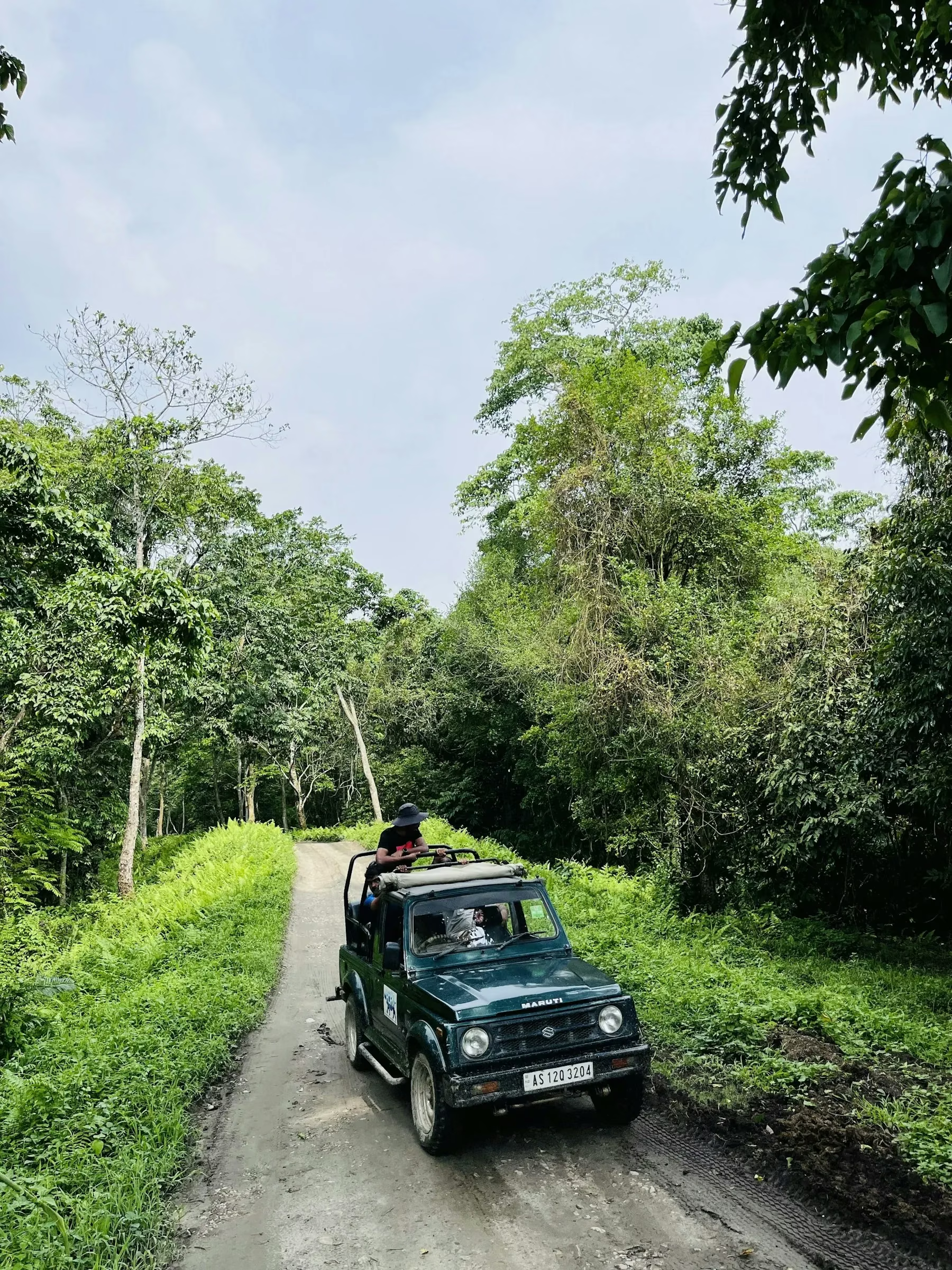
Your First Jeep Safari in Rajaji — A Complete Walkthrough
If you have never been on a wildlife jeep safari before, the experience can feel unfamiliar. You are not sure what to bring, what happens at the gate, how long the drive lasts, how close the animals get, or what the etiquette is inside the forest. This guide walks you through every stage of a Rajaji jeep safari day, from the moment you book to the moment you return.
The goal is simple: when you arrive at the reporting gate on safari morning, you should already know what to expect, what to carry and how to behave inside the park. That preparation turns a new experience into a comfortable and enjoyable one.
Before the Safari: What to Prepare
Booking and Confirmation
Book your safari through a confirmed operator and receive a written booking confirmation. This confirmation should include the safari date, zone or route, reporting gate and time, vehicle details (if provided), visitor count and the total charges. Save this confirmation on your phone and note the reporting gate name separately.
Ask about the cancellation and rescheduling terms before paying. Understanding these upfront avoids confusion if your plans change. Read our cancellation and rescheduling guide for what to check.
Photo ID
Every visitor must carry a valid government-issued photo ID. Indian nationals can use an Aadhaar card, passport, driving licence or voter ID. Foreign nationals must carry their passport with a valid visa. The names and details on your ID must match the information in your booking. If they do not match, you may be denied entry at the gate.
What to Wear
Wear neutral-coloured clothing — olive, khaki, beige, brown or grey. These colours blend with the forest environment and are less likely to disturb wildlife. Avoid bright colours, strong patterns and white. Closed-toe shoes are recommended for walking on uneven ground at the reporting point.
In winter (November to February), layer up. Mornings are cold, and you will be sitting in an open vehicle. A warm jacket, fleece, beanie cap and gloves make a significant difference. In summer (March to June), wear light, breathable fabrics and carry a hat and sunscreen.
What should I carry on my first Rajaji safari?
- Original photo ID (mandatory for entry)
- Booking confirmation (digital or printed)
- Water bottle
- Light snacks — energy bars, dry fruits, biscuits (in sealed packaging)
- Sunscreen and sunglasses (especially in summer)
- A light jacket or shawl (especially in winter)
- Camera and spare batteries (optional but recommended)
- A small backpack or crossbody bag to keep essentials accessible
Avoid carrying loud music players, strong-smelling food, alcohol or anything that could disturb the forest environment. The Forest Department enforces strict rules inside the park.
What happens on the day of a Rajaji jeep safari?
Step 1 — Arrive at the Reporting Gate
Travel to the assigned reporting gate or meeting point at least 30 minutes before the scheduled reporting time. The gate and timing are part of your booking confirmation. Do not assume a different gate is acceptable — safari routes and permits are zone-specific.
If the booking includes hotel pickup, confirm the pickup time and location the evening before. If you are self-driving to the gate, ask for the exact location and parking details in advance. Arriving late may mean missing the reporting window entirely.
Step 2 — Check In and Enter
At the gate, present your photo ID and booking confirmation. The entry staff will verify your details against the permit record. Carry the same ID that was provided during booking. If you are replacing a booked visitor, inform the operator beforehand so the records can be updated.
After entry verification, you will be directed to the safari vehicle. Most Rajaji safaris use an open-top or soft-top jeep (commonly called a gypsy) that seats six visitors plus the driver and guide.
Step 3 — Meet Your Guide and Driver
The guide is typically trained by or affiliated with the Forest Department and has local knowledge of the routes, wildlife patterns and forest geography. The driver knows the terrain and will navigate the forest tracks. Listen to their instructions at the start — they will explain safety rules, noise guidelines and what to do when wildlife is spotted.
Ask any questions you have before the vehicle moves. Once inside the forest, conversation should be kept low to avoid disturbing animals.
Inside the Forest: The Safari Experience
The Drive
A Rajaji jeep safari follows designated forest routes that the vehicle cannot deviate from. The terrain varies — packed earth roads, gravel tracks, occasional stream crossings and forest trails through dense sal trees. The ride can be bumpy, so hold on when the vehicle is in motion and keep your belongings secure.
The forest opens up at different points — dense canopy in some stretches, open grasslands in others, and riverbeds where the Ganga or its tributaries cut through the landscape. Each zone has a different character. The zone guide explains what each area offers.
What You Might See
Rajaji is best known for its elephants, and many visitors encounter herds during a safari. Spotted deer (chital), sambar deer, wild boar, langurs and rhesus macaques are commonly seen across all zones. Birdlife is abundant — kingfishers, woodpeckers, hornbills and raptors are regularly spotted.
Leopards inhabit parts of the park but are elusive and rarely seen. Tigers are present in small numbers but sightings are uncommon. No operator, guide or driver can guarantee a specific animal sighting. The value of the safari lies in the entire forest experience — the landscape, sounds, tracks, light and the unpredictability of wildlife.
Is a Rajaji jeep safari safe for beginners?
- Stay seated while the vehicle is in motion and when animals are nearby.
- Keep your voice low. Loud conversation can scare animals away.
- Do not feed any wildlife. Feeding is strictly prohibited and harmful to animals.
- Follow the guide's instructions on when to stand, when to stay quiet and when to move back.
- Do not throw anything from the vehicle. Carry all waste back with you.
- Use silent shooting mode on your camera if available. Shutter sounds disturb birds and small mammals.
After the Safari
Return to the Gate
The safari concludes after approximately three to four hours when the vehicle returns to the reporting gate. You will exit the park through the same entry point. If you have feedback about the experience or want to thank the guide and driver, this is a good time to do so.
What to Do After Returning
If you booked a morning safari, the rest of your day is free. You can explore nearby Haridwar or Rishikesh, visit a temple or ashram, or rest at your hotel. If you booked an evening safari, you may want to head directly to dinner or travel to your next destination. For multi-day plans, see our 3-day itinerary combining Haridwar, Rishikesh and Rajaji.
Common First-Timer Questions
Do I need to be physically fit for a Rajaji safari?
No. You sit in a jeep for the duration. The vehicle handles the terrain. The only physical requirement is the ability to climb in and out of the jeep and remain seated on a bumpy road. If you have back problems, mention it to the booking team so they can suggest routes with smoother terrain where possible.
Will I definitely see elephants?
Elephants are the most commonly sighted large mammal in Rajaji, and many visitors encounter them. However, wildlife is wild, and no sighting is guaranteed on any specific day. The experience of being in the forest — the landscape, the light, the bird calls — is rewarding regardless of which animals appear.
Can children come on the safari?
Yes, children are welcome. There is no strict minimum age, but a three-to-four-hour jeep ride may be challenging for very young children. Parents should judge based on their child's ability to sit reasonably still and follow instructions. See our family safari guide for more detail.
What if it rains during the safari?
Light rain is possible, especially in the shoulder months. The jeep may have a canopy or soft top that provides some cover. If heavy rain is expected, the Forest Department may restrict or cancel the safari. Confirm with the booking team on the morning of your safari if weather conditions are uncertain.
Preparing Makes the Experience Better
First-time safari visitors often say the experience was more structured and comfortable than they expected. The forest is managed, the guides are experienced, and the vehicles are purpose-built for the terrain. Your job is to arrive prepared, follow the rules and let the forest show you what it wants to show.
For your first trip, start with the fees and timing guide to understand the practical side, and the seasonal guide to choose the right month. When you are ready, reach out through the booking page to check availability for your dates.