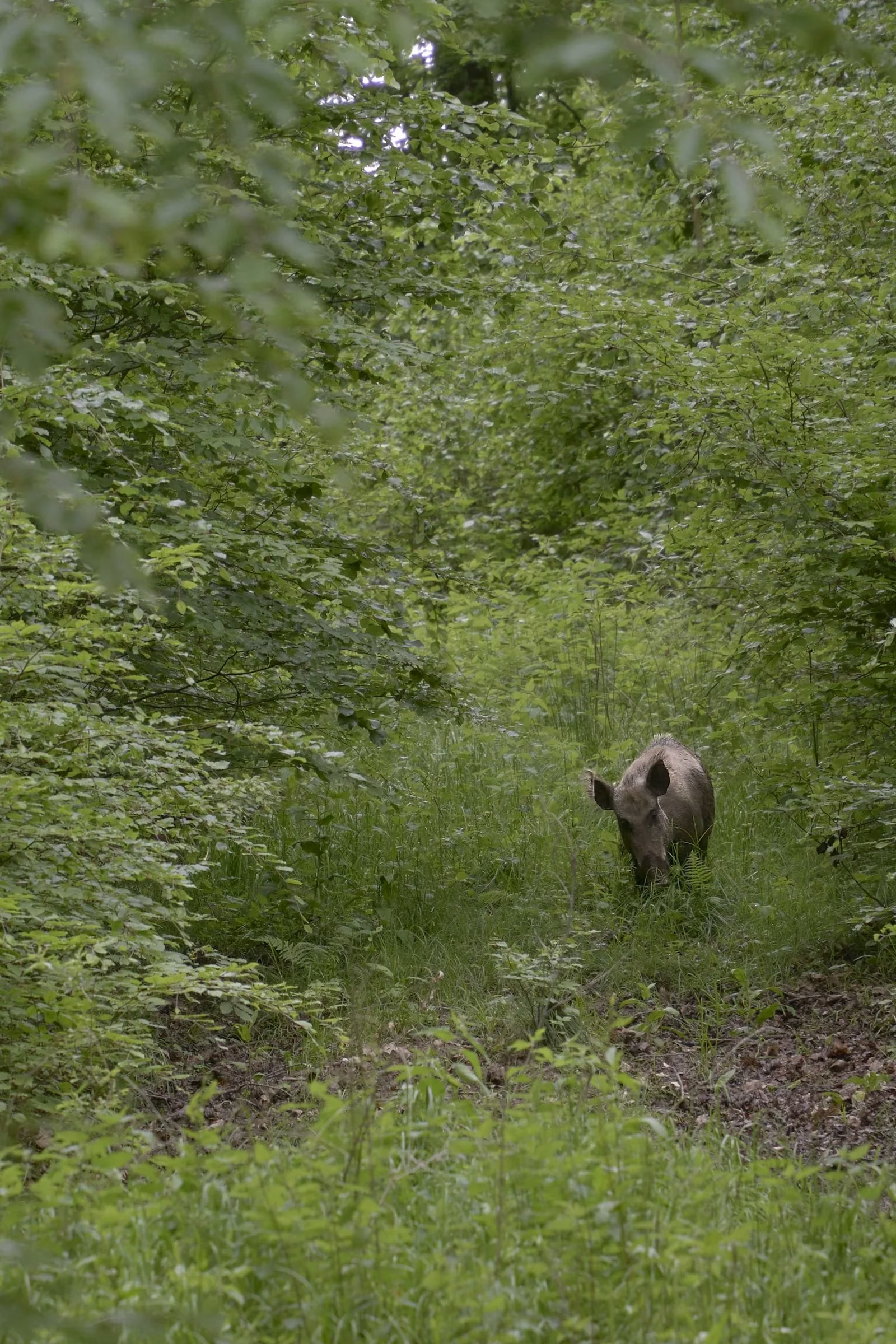
Why Myths Surround the Rajaji Safari Experience
Every wildlife destination collects myths. Some come from social media posts where a single lucky visitor describes their experience as the norm. Others come from outdated information, casual assumptions or well-meaning advice that has lost its accuracy over time. Rajaji National Park is no exception — first-time visitors arrive with ideas about what the safari will be like, and some of those ideas are simply wrong. The result is unnecessary anxiety, misplaced expectations or decisions that do not serve the visitor well.
This guide separates myth from fact across the most common misconceptions. Each myth is stated plainly, then corrected with practical, current information. The corrections are not presented as new official rules — they are grounded in how the park actually operates, and they carry the reminder that current Forest Department rules always take precedence over any general guide. The goal is a calmer, better-informed visitor who arrives with realistic expectations and leaves satisfied regardless of what the forest chooses to reveal.
Myth 1: You Can Drive Your Own Vehicle Inside the Park
The myth
Many first-time visitors assume they can take their personal car or rental vehicle on a self-drive safari through Rajaji, similar to driving through a national highway or state forest road.
The reality
Safari drives inside Rajaji are conducted in designated, registered vehicles operated by authorised guides and drivers. Private vehicles are not permitted on safari routes within the park. You may use your personal vehicle to reach the safari gate, but once check-in is complete, you travel in the vehicle allocated for your slot. The Forest Department regulates which vehicles enter the park, and this system ensures consistent safety standards, guide oversight and wildlife protection.
What this means for you
- Book your safari through the Forest Department portal or an authorised operator who provides the vehicle.
- If you want to explore the park area independently, park roads and viewpoints outside the core zone may be accessible — confirm current access rules before heading out.
- The safety guide covers vehicle conduct inside the park.
Myth 2: A Tiger Is Guaranteed on a Jeep Safari
The myth
Social media posts showing tigers from Rajaji create the impression that every visitor will see one. This is the most persistent myth in Indian wildlife tourism.
The reality
Tiger sightings are never guaranteed. Rajaji has a resident tiger population, but tigers are wide-ranging, elusive and operate on their own schedule. Many excellent safari drives produce elephants, deer, birds and beautiful forest landscapes without a tiger appearing. Some visitors see a tiger on their first drive; others return multiple times without one. The experience is defined by the forest as a whole, not by a single species.
What this means for you
- Set your expectations around the entire safari experience — the landscape, the birdlife, the elephants, the forest atmosphere.
- A sighting of elephants, a leopard alarm call or a forest owl can be equally memorable.
- The wildlife guide covers the range of species you are likely to encounter.
Myth 3: Morning Safari Always Sees More Animals
The myth
Visitors often insist that the morning slot is objectively better because animals are more active at dawn.
The reality
There is a general tendency for wildlife to be more active during cooler hours, which favours early morning. But this is a pattern, not a guarantee. Evening slots also produce excellent sightings, particularly near water sources during dry months, and during seasons when animals move later in the day. Weather on the specific day, the zone you are in and luck all influence what you see. A foggy winter morning may reduce visibility, while a clear evening can be spectacular.
What this means for you
- Choose the slot that fits your schedule and comfort, not the one that promises more animals.
- Both morning and evening drives offer genuine wildlife encounters.
- The morning versus evening guide covers the practical differences between slots.
Myth 4: Safari Tickets Are Always Available at the Gate
The myth
Some visitors plan to arrive at the park and buy a safari slot on the spot, assuming availability is unlimited.
The reality
Safari slots are capacity-limited. During peak periods — holidays, long weekends, the busiest months of the open season — slots sell out in advance. Arriving at the gate without a booking risks finding no availability. Even during quieter periods, certain zones may be fully allocated. Booking in advance through the Forest Department portal or an authorised operator is the reliable approach.
What this means for you
- Book your safari slot as early as the system allows, especially for peak dates.
- If your preferred dates are unavailable, consider different zones, different days or the shoulder season for better availability.
- The booking guide covers the reservation process.
Myth 5: Flash Photography Helps in Low Light
The myth
Photographers assume flash will help capture wildlife in the shaded forest, especially during early morning or evening drives.
The reality
Flash photography around wildlife is generally discouraged and often prohibited in Indian national parks. A sudden flash can startle animals, disrupt natural behaviour and cause stress — particularly for nocturnal species, nesting birds or animals with young. Even if not explicitly banned in every zone, using flash on wildlife is poor practice and may violate your guide's instructions. Natural light photography produces better results in the forest context, and the soft light of the Shivalik foothills is one of the photographic highlights of Rajaji.
What this means for you
- Plan your camera settings for natural light — higher ISO, wider aperture, faster lenses.
- Carry a beanbag or monopod for stability in the vehicle.
- The photography guide covers practical gear and technique advice for Rajaji conditions.
- The drone and photography rules cover what is and is not permitted.
Myth 6: You Can Get Down for Photos at Any Viewpoint
The myth
Visitors imagine stepping out of the vehicle at scenic spots to take photos or stretch their legs.
The reality
You may only exit the vehicle where the guide permits at designated stopping points. Leaving the vehicle elsewhere inside the park is not permitted and can be dangerous — the forest is home to elephants, leopards and other wildlife that do not distinguish between humans and any other presence. The guide decides where stops are safe and appropriate. At designated viewpoints, follow the guide's instructions on where to stand, how long to stay and when to return to the vehicle.
What this means for you
- Trust your guide on when and where to stop — they know the terrain and animal movements.
- Carry your camera ready in the vehicle so you do not miss opportunities at brief stops.
- The wildlife etiquette guide covers park conduct rules.
Myth 7: The Safari Price Is the Only Cost
The myth
Visitors focus on the per-slot safari fee and assume that is the total expense of the trip.
The reality
The safari slot fee is one component of a multi-part cost structure. Additional expenses typically include:
- Vehicle and guide fees: The jeep and guide may be charged separately or as part of a package — confirm what is included in your booking.
- Accommodation: Nights near the park, plus any nights in Haridwar, Rishikesh or Dehradun.
- Transfers: Transport from your arrival point to the gate and back.
- Meals: Restaurant meals, packed breakfasts for early mornings and snacks for the drive.
- Entry fees: Per-person park entry charges, which may vary by nationality and season.
The budget planner breaks down cost categories to help you plan realistically. The timings and price guide covers the fee framework. Always confirm current fees with your operator rather than relying on general estimates.
Myth 8: Rain Cancels Everything Automatically
The myth
Visitors hear rain forecast and assume the safari is cancelled, the park is closed and the trip is ruined.
The reality
Rain does not automatically close the park. Light to moderate rain may affect visibility and comfort, but safaris can proceed. Heavy rainfall, particularly during the monsoon, may lead to waterlogged tracks, reduced accessibility and Forest Department decisions to restrict or close certain zones. Closures are official decisions, not assumptions based on weather forecasts. Even during the monsoon, some zones may remain accessible on certain days — confirm current status before cancelling plans.
What this means for you
- Carry a rain jacket or poncho — weather can change quickly in the foothills.
- Contact your operator on the morning of your safari if rain is heavy; they will know whether the slot proceeds.
- The monsoon closure guide covers seasonal access patterns.
- Rain can actually improve the experience — the forest smells extraordinary after rain, and animals often become active.
Myth 9: The Guide Will Chase Animals for a Sighting
The myth
Visitors expect the guide to drive aggressively, pursuing animals across the forest to get them close to the vehicle.
The reality
Ethical safari guiding means no chasing, cornering or harassing wildlife. A skilled guide reads the forest — interpreting tracks, alarm calls, bird behaviour and movement patterns — and positions the vehicle patiently for natural encounters. Driving aggressively disturbs animals, damages the forest experience for other visitors and violates park conduct rules. If a guide is driving recklessly, it reflects poorly on their professionalism, not on the safari system.
What this means for you
- Trust the guide's knowledge and patience — experienced guides create sightings through skill, not speed.
- If you feel the guide is not meeting your expectations, raise it calmly after the drive rather than during it.
- The etiquette guide covers what constitutes good guiding practice.
Reality-Check Checklist for First-Time Visitors
Use this checklist to set realistic expectations before your Rajaji safari:
- Tiger sighting: Possible but never guaranteed. Plan to enjoy the full forest experience regardless.
- Vehicle: You travel in a registered, guided vehicle — not your own car. Confirm vehicle type with your operator.
- Booking: Book in advance, especially for peak dates. Gate availability is not reliable.
- Slot choice: Morning and evening slots both offer genuine wildlife experiences. Choose based on your schedule.
- Photography: Natural light only — no flash on wildlife. Prepare your camera for forest conditions.
- Stops: Exit the vehicle only where the guide permits at designated points.
- Costs: Budget for accommodation, transfers, meals and entry fees beyond the safari slot fee. The budget planner covers the full picture.
- Weather: Rain does not automatically cancel the safari. Carry rain gear and confirm with your operator if conditions are severe.
- Guide behaviour: Ethical guiding means no chasing. Trust the guide's patience and knowledge.
- Flexibility: The forest sets the terms. Be prepared for a different experience than you imagined — and often a better one.
The most rewarding safari visitors are those who arrive with open expectations, trust their guide and let the forest reveal itself on its own terms. Rajaji offers a genuine Himalayan foothill wildlife experience that rewards patience, observation and respect. Drop the myths, embrace the reality and enjoy the drive.