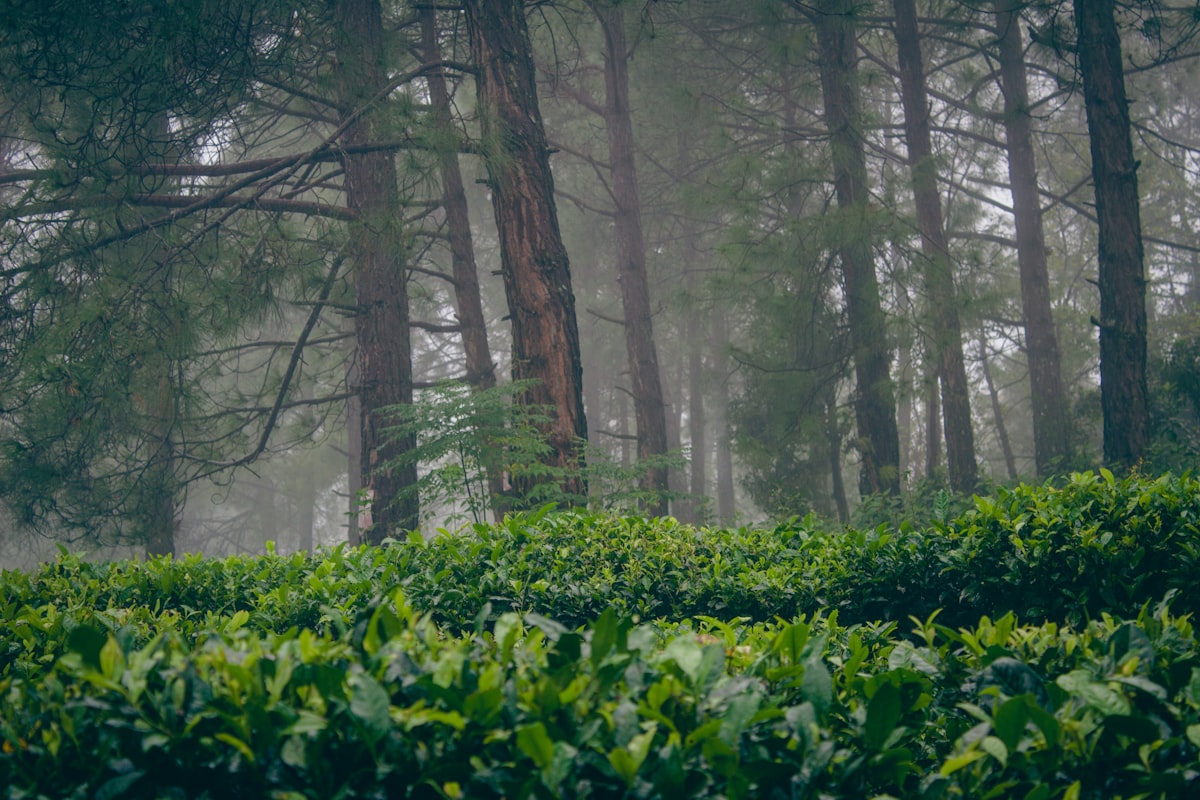
Rajaji National Park Closes During the Monsoon — Here Is Why
Rajaji National Park is typically closed or subject to partial restrictions during the Indian monsoon season, generally spanning mid-June through September. The exact closure and reopening dates are not fixed annually — they are announced by the Forest Department based on actual rainfall, road conditions and the state of the forest each year. Different zones may close and reopen at different times depending on local conditions.
Understanding why the closure happens helps you plan around it and appreciate the conservation logic behind it.
Why the Forest Department Closes the Park in Monsoon
The closure is driven by three practical realities:
Road conditions: Most safari tracks inside Rajaji are unpaved forest roads. During heavy monsoon rainfall, these tracks become muddy, slippery and potentially dangerous for vehicles. River crossings — where tracks pass over seasonal streams or Ganga tributaries — can become impassable as water levels rise. A vehicle stranded on a forest road during the monsoon creates a safety and rescue problem for both visitors and the Forest Department.
Forest safety: Dense vegetation during the monsoon increases the risk of landslides, falling branches and waterlogged terrain. Visibility drops significantly in the thick growth, making navigation more difficult and increasing the chance of vehicle-related incidents on narrow forest tracks.
Conservation: The monsoon is the forest's regeneration period. Rainfall triggers new growth, replenishes water sources, and supports breeding cycles for birds, insects and mammals. Reducing human presence during this critical period allows the ecosystem to renew itself with minimal disturbance. This is a standard conservation practice across India's national parks, not unique to Rajaji.
What Varies by Zone and Year
Rajaji's zones do not all follow the same calendar. Some zones closer to rivers or with lower-elevation tracks may close earlier in June, while higher or better-drained zones may remain accessible longer. Similarly, reopening is staggered — a zone with quick-draining soil may reopen by early October, while a zone with waterlogged tracks may not open until late October or November.
The Forest Department issues notifications for each zone individually. There is no single annual date that applies across the board. This is why relying on general advice like "Rajaji opens in October" without checking the specific status for your planned zone and date can lead to disappointment.
What to Confirm Before Booking a Monsoon or Near-Monsoon Safari
If you are planning a safari between late May and early November, take these steps before confirming:
- Check zone status with the operator: Ask whether the specific zone you want is open, closed or operating with restricted access on your planned date. The operator should have current information from the Forest Department or be able to obtain it quickly.
- Confirm the reporting gate is accessible: Even if a zone is technically open, the road to the reporting gate may be affected by construction, flooding or landslides. Ask about the condition of the access road.
- Ask about cancellation terms: If the Forest Department closes the zone after you book, you need a clear policy for rescheduling or refund. The morning vs evening timing guide and booking guide cover what to look for in booking terms.
- Monitor weather patterns: Uttarakhand's monsoon intensity varies year to year. A year with early heavy rains may bring earlier closures; a year with a weaker monsoon may allow later access. Local weather forecasts in the weeks before your trip help you assess conditions.
- Have a backup plan: Do not build your entire Uttarakhand trip around a single Rajaji safari during the monsoon window. Have alternatives ready — see the section below for ideas.
Alternatives During the Monsoon Closure
The monsoon is not a reason to skip Uttarakhand entirely. The Shivalik region is lush and dramatic during the rains, and several experiences remain accessible.
Haridwar and Rishikesh
Both cities are accessible year-round and offer extensive cultural and spiritual experiences. Haridwar's evening Ganga Aarti at Har Ki Pauri, the temple circuits and the local food scene are rewarding regardless of the season. Rishikesh adds riverside ghats, ashram visits, yoga studios and the iconic Ram Jhula and Laxman Jhula bridges. The monsoon makes the Ganga fuller and the surrounding hills vividly green.
Birding Opportunities
While the park itself is closed, some birding is possible in the broader Shivalik landscape — areas where the Forest Department permits public access or where local guides operate outside the restricted zone. The monsoon brings migratory species and active breeding season for residents. The birdwatching guide provides context on Rajaji's avian diversity and the seasonal patterns that apply.
Conservation and Forest Interpretation Walks
Some operators and Forest Department-approved guides offer limited forest interpretation walks in areas outside the core safari zones during the monsoon. These are not jeep safaris — they are guided walks on accessible trails where the focus is on plants, insects, bird calls and forest ecology. Availability varies and is entirely at the Forest Department's discretion. Ask the operator what is permitted on your planned dates.
Nearby Hill Stations
Mussoorie, Dhanaulti and other hill stations within 60-100 km of Rajaji offer viewpoints, forest walks and a cooler climate during the monsoon. The drive from Haridwar or Rishikesh to these hills takes two to four hours and provides a different perspective on the Shivalik landscape. While not a safari substitute, they round out an Uttarakhand trip during the wet months.
Planning a Broader Uttarakhand Itinerary
If you are already committed to travelling during the monsoon, consider building an itinerary that includes Haridwar, Rishikesh and a hill station, with a Rajaji safari planned for a return visit. The Delhi to Rajaji travel guide covers the transport options for planning a future trip, and the best time to visit guide helps you choose the ideal window for your return.
Shoulder-Season Planning: May, June and October
The shoulder months around the monsoon require careful planning:
Late May and early June: The pre-monsoon period can be hot (35-42°C in the foothills) but the park is typically open. Safari tracks are dry, visibility is good in the thinner pre-monsoon foliage, and animals concentrate near water — potentially improving sighting opportunities. However, the heat is intense, and the monsoon can arrive early some years. Confirm with the operator that the zone remains open and that the weather forecast does not indicate early closure.
October: The post-monsoon period is a transition. Some zones reopen by early to mid-October, others by late October or early November. The forest is fresh and green after the rains, water sources are full, and wildlife is active. However, road conditions may still be recovering from the monsoon, and limited access may apply. Checking zone-by-zone status with the operator is essential. The best time to visit guide provides a month-by-month overview of conditions.
If you book for late May, early June or October, discuss the following with the operator:
- Is the zone confirmed open for your exact date?
- What is the cancellation or rescheduling policy if conditions change?
- Are all reporting gates accessible, or are some restricted due to road maintenance?
- What are the current safari timings for the season? (See timings and pricing for reference.)
Flexible Booking Advice
Booking during or near the monsoon window requires more flexibility than booking during the guaranteed-open winter season. Here are practical steps:
- Book with flexible cancellation: Choose an operator who offers rescheduling or refund if the Forest Department closes the zone. Avoid operators who take full payment upfront with no weather-related flexibility.
- Hold dates loosely: Rather than locking in specific dates weeks in advance, confirm the zone status a few days before travel. Many operators accept bookings with a short lead time during the shoulder season.
- Avoid non-refundable hotel bookings: If staying overnight, choose hotels with flexible cancellation policies. The route guide from nearby cities lists accommodation areas to consider.
- Have an alternative activity ready: If the safari is cancelled, you should have a backup plan that makes the trip worthwhile — Haridwar, Rishikesh, a hill station or a forest interpretation walk.
- Travel insurance: For visitors travelling from outside India or from distant Indian cities, travel insurance that covers trip disruption due to weather or natural events adds a layer of protection.
Return Checklist: When to Plan Your Rajaji Visit
When you are ready to plan your return safari after the monsoon, use this checklist:
- Check zone reopening dates: Contact the operator or Forest Department in early-to-mid September for the most current reopening schedule. Do not rely on dates from previous years — each year is different.
- Book early for November and December: The post-monsoon and winter months are peak season. Hotels, safari vehicles and guide availability fill up quickly. Book at least 2-4 weeks in advance for the best options.
- Choose your season deliberately: November-February for comfortable weather and active wildlife; March-June for dry conditions and concentration near water. The best time to visit guide helps you decide.
- Prepare for conditions: Post-monsoon mornings can be misty and cool. The packing guide covers clothing and gear for all seasons.
- Follow ethical viewing practices: Regardless of when you visit, safari etiquette applies. The guide's instructions, distance rules and noise discipline protect both you and the wildlife.
- Confirm the full logistics chain: Reporting gate, reporting time, zone access, transport route, parking and accommodation. The gates and reporting points guide and the route planning guide cover each element.
The monsoon closure is a sign that Rajaji's ecosystem is being managed responsibly. Rather than viewing it as an obstacle, treat it as part of the park's natural cycle — one that ensures the forest, its wildlife and the safari experience remain healthy for future visits. Planning your trip with this understanding, backed by flexible bookings and confirmed zone status, gives you the best chance of a rewarding safari when the park reopens. For a comprehensive overview of what awaits inside the park, the wildlife guide and the tiger reserve safari overview provide the full picture.