What are the main habitat types in Rajaji National Park?
Rajaji National Park sits in the Shivalik foothills of Uttarakhand, where the Ganga exits the Himalayas and enters the northern plains. This transition zone creates a remarkable variety of habitats within a relatively compact area. Understanding these habitats helps you appreciate why different zones feel so different and why the wildlife you encounter changes from one part of the park to another.
The park's landscape is not uniform. Drive for twenty minutes inside Rajaji and you may pass from dense sal forest into open grassland, along a riverine belt with thick shrub growth, past a quiet wetland area. Each of these habitats supports different plants, birds and mammals, and each creates a distinct safari experience.
Sal Forest — The Dominant Canopy
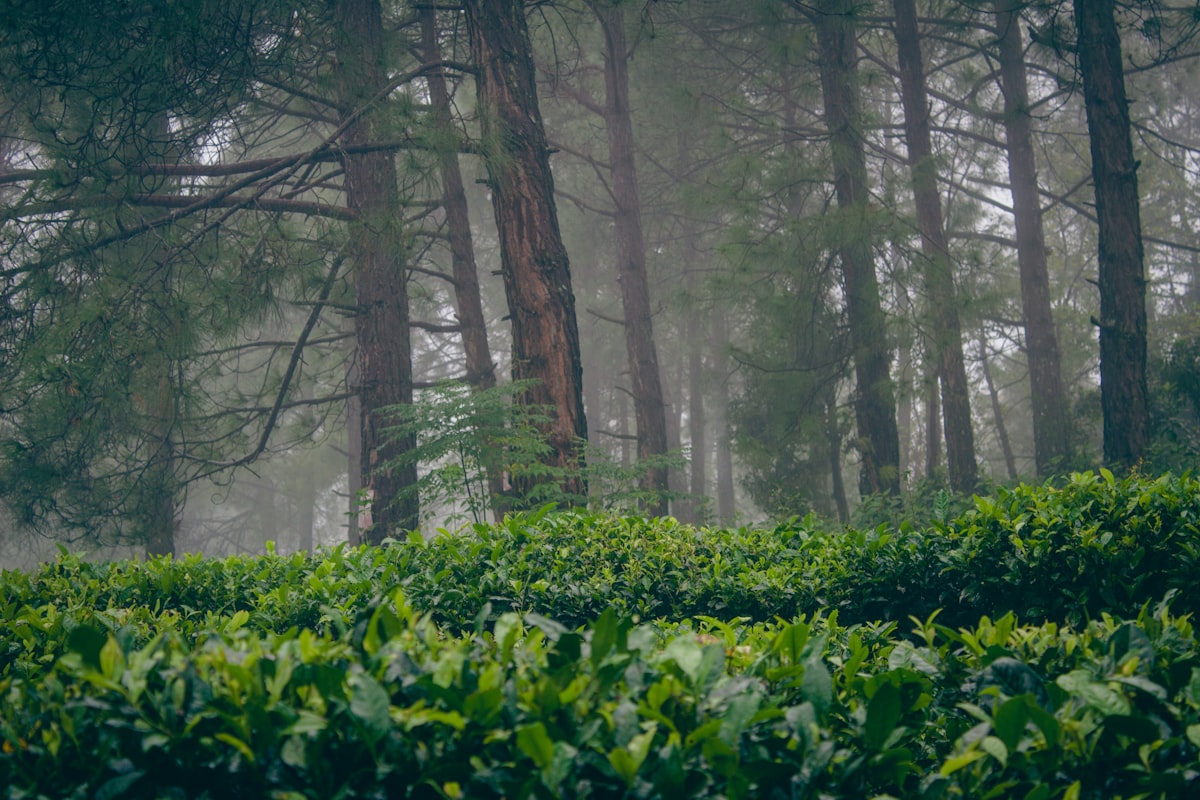
Sal (Shorea robusta) is the defining tree species of Rajaji and much of the Shivalik foothill landscape. Sal trees grow tall, creating a dense overhead canopy that filters sunlight to the forest floor. The canopy shading means the undergrowth beneath mature sal is often relatively open, with leaf litter, scattered shrubs and patches of grass.
What Sal Forest Looks Like on Safari
Driving through sal forest feels like moving through a cathedral. The tall, straight trunks rise on either side of the track, the canopy closes overhead, and the light is dappled and green. In the early morning, shafts of light break through gaps in the leaves, creating the kind of atmospheric forest scenes that photographers love.
The sal forest is Rajaji's most widespread habitat, particularly in the Motichur, Ranipur and parts of the Chilla zones. If your safari route passes through significant stretches of sal, you are driving through the park's ecological backbone.
How does sal forest affect wildlife sightings in Rajaji?
The dense canopy and shaded interior create conditions where animals are present but not always easy to see. Leopards use the cover of sal forest for hunting and resting, and their spotted coats blend with the dappled light. Bears — both sloth bears and Himalayan black bears — forage in the undergrowth and are more likely to be heard (crashing through leaf litter or breaking branches) than seen.
On the positive side, sal forest is rich in birdlife. Hornbills, woodpeckers, flycatchers, barbets and owls inhabit the canopy. Listen for calls and look for movement high above the track. The open floor beneath the sal canopy also means that when an animal does appear — a sambar deer stepping into a light patch, a langur dropping to the ground — the sighting can be clear and unobstructed.
Patience is key in sal forest. Slow down, scan the canopy, listen to the forest and wait for movement. The guides who know these routes well often know the particular trees and clearings where animals are frequently seen.
Riverine Belts — Life Along the Water
The Ganga and its tributaries — the Chilla canal, the Chandauli stream and others — create riverine corridors that run through the park. These corridors are defined by dense, multi-layered vegetation: tall trees with hanging vines, thick shrub along the banks, tall grasses and seasonal flood-zone plants. The riverine habitat is often the most visually lush part of any safari route.
Why Riverine Areas Attract Wildlife
Water is the primary draw. During drier months (March to June), elephants, deer, wild boar and other herbivores concentrate along permanent water sources. The riverine corridors also offer dense cover, which predators use for stalking and resting. Crocodiles bask on sandbanks, kingfishers perch on overhanging branches, and otters are occasionally seen in calmer stretches.
On a safari, riverine sections often produce the most action-packed stretches. Keep your eyes on the waterline, the sandbanks and the dense vegetation along the banks. Elephant crossings — where herds wade across shallow sections — are among Rajaji's most iconic safari moments, though they are natural events that occur when the animals choose to move.
The Riverine Experience on Safari
Riverine drives are often bumpy because the track follows uneven terrain near the watercourse. The vegetation is thick, so visibility can shift rapidly — open at one bend, then closed by a wall of green at the next. Guides know the particular bends and clearings where animals are regularly seen. If your route includes a significant riverine stretch, stay alert during that section.
Grasslands — Open Spaces in the Forest
Rajaji's grasslands appear in several zones, particularly in Chilla and along cleared areas near the Ganga riverbed. These are not the vast, sweeping grasslands of an African savanna — they are pockets of open ground within a predominantly forested landscape, sometimes natural and sometimes maintained by controlled burning or historical land use.
What Grasslands Offer on Safari
Grasslands provide the clearest visibility in the park. The open terrain means you can see animals at a distance — herds of chital (spotted deer) grazing in the late afternoon light, nilgai (blue bull) moving along the edges, raptors circling overhead. For photographers, grasslands are the easiest habitat for clean, unobstructed shots.
Grasslands also attract specific species. Peafowl are commonly seen along grassland edges. Grassbirds, larks and other ground-nesting species depend on this habitat. During winter, migratory birds use grassland clearings for foraging.
When is the best time to see wildlife in Rajaji's grasslands?
During the drier months (February to June), grasslands become particularly productive. As surrounding forest dries and water becomes scarcer, herbivores concentrate in the remaining green patches and near water sources. Deer herds are visible in open clearings during early morning and late afternoon, and the thinning vegetation improves visibility considerably.
In winter, morning fog often settles low over grasslands, creating atmospheric conditions but reducing visibility. As the fog lifts, grassland activity picks up. Late morning in winter can be the sweet spot for grassland wildlife viewing.
Wetlands — Jhilmil and Seasonal Water Bodies
The Jhilmil Conservation Reserve is Rajaji's primary wetland habitat. It features marshes, reed beds, shallow ponds and seasonally flooded grassland. Jhilmil is ecologically distinct from the forested zones and offers a completely different safari experience.
Which Rajaji habitat is best for birdwatching?
Wetlands like Jhilmil are among the most productive birding habitats in the park. During winter, migratory ducks, geese, herons, storks and waders arrive from Central Asia and northern India. The shallow water and reed beds provide feeding and nesting habitat. Resident species — kingfishers, cormorants, pond herons — are present year-round.
Beyond birds, wetlands support amphibians, reptiles and insects that form the base of the food chain. Otters are occasionally seen in connected water channels. The open landscape also means good visibility for spotting deer and other herbivores that come to water.
The Wetland Safari Experience
A Jhilmil safari feels different from the forest zones. The terrain is flatter, the vegetation is dominated by reeds and grasses rather than tall trees, and the sky is more visible. The light in wetland areas can be beautiful, especially in the early morning when mist rises off the water. For visitors who have already done a forest safari, Jhilmil offers a refreshing contrast.
Scrubland and Mixed Vegetation Zones
The drier, sun-exposed slopes in parts of Rajaji support scrubland — shorter trees, thorny bushes and rocky ground. This habitat is less visually dramatic than sal forest or riverine corridors but plays an important ecological role. Scrubland provides habitat for hyenas, jackals, foxes and reptile species that prefer drier conditions.
On safari, scrubland stretches may feel quieter than other habitats. The vegetation is sparser, and animals rely more on camouflage and the rocky terrain. These sections require patient scanning — look for movement among rocks and at the edges of the tree line.
How Habitat Variety Shapes Your Safari Experience
The fact that Rajaji contains multiple habitat types within a single safari route is one of its greatest strengths. A three-to-four-hour drive might take you through dense sal forest, along a riverine corridor, past open grassland and into a scrubland section. Each transition changes the light, the sounds and the likelihood of different species appearing.
Understanding the habitat you are driving through helps you set expectations. In sal forest, listen for hornbills and look for movement in the canopy. In riverine zones, watch the waterline and sandbanks. In grasslands, scan the open ground for herds and raptors. At wetlands, look for waterbirds and wading animals.
For a deeper look at how different zones compare, see our zone comparison guide. If you are interested in the best seasonal conditions for each habitat, the best time to visit guide breaks down month-by-month patterns. To ask about specific habitat experiences on your chosen date, reach out through the booking page.