How does water availability affect wildlife sightings in Rajaji?
Water is the single most important factor shaping where and when animals appear in Rajaji National Park. The park's landscape is defined by the Ganga and its tributaries, seasonal streams and forest waterholes, and the behaviour of every mammal and bird species in the park is influenced by the availability and location of water. Understanding how water shapes the forest helps you predict where wildlife is most likely to be and why certain seasons and zones offer different safari experiences.
Rajaji sits in the Shivalik foothills where the Ganga exits the Himalayas and enters the northern plains. This geographical position gives the park a network of permanent rivers, seasonal streams, natural waterholes and — in some zones — artificially maintained water sources. The relationship between these water bodies and the wildlife is the foundation of the Rajaji safari experience.
The Ganga — Rajaji's Lifeline
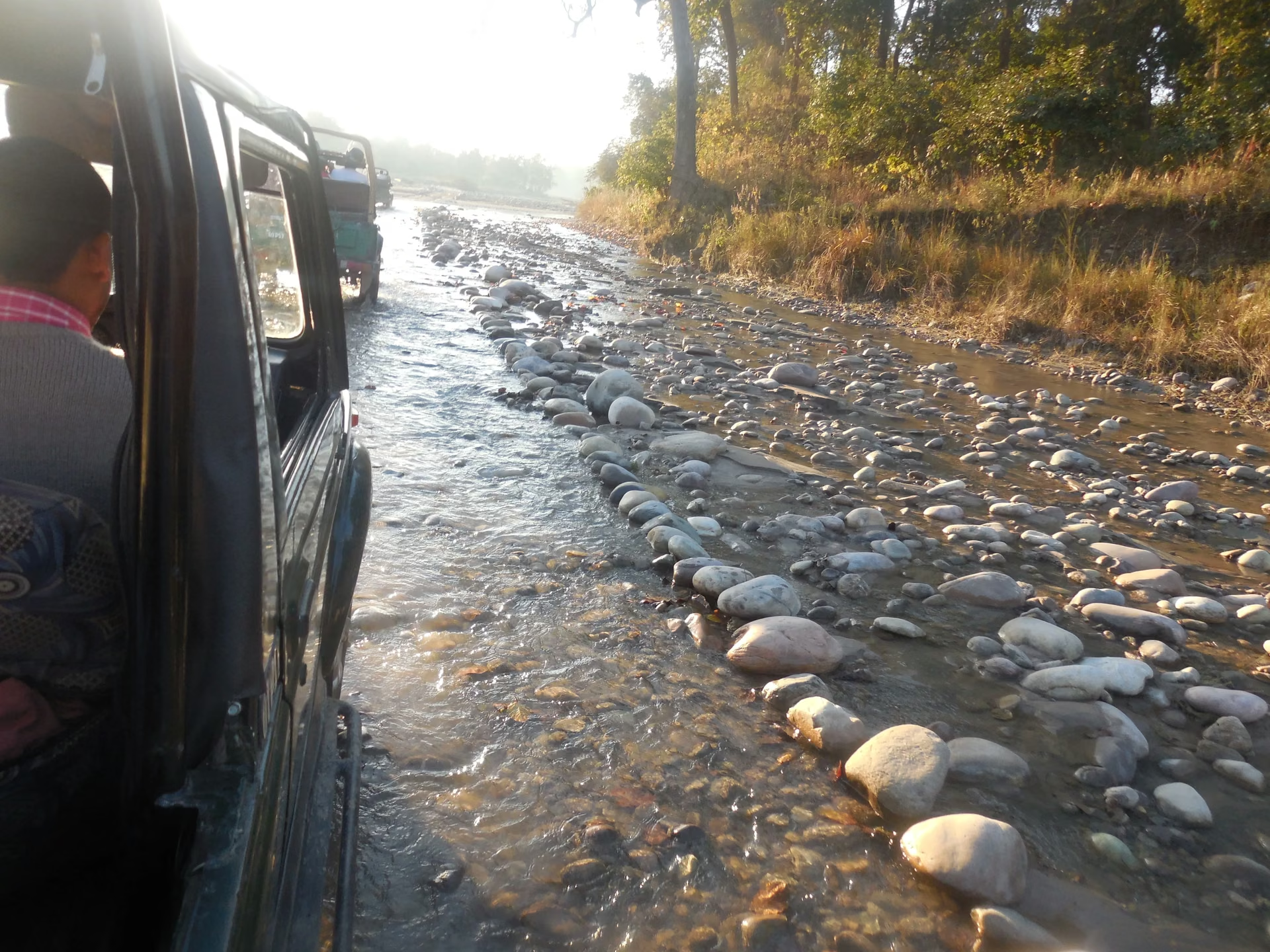
The Ganga forms the western and southern boundary of several Rajaji zones and is the park's most significant water feature. The river flows through the Chilla zone, creating wide riverbeds, sandy banks, riverine forest corridors and seasonal wetlands. During the dry months (March to June), the riverbed shrinks to a fraction of its monsoon width, leaving permanent pools and channels that become critical gathering points for wildlife.
Elephants are the most visible species drawn to the Ganga. Herds cross the river at shallow points, drink at the river's edge and bathe in the slower-moving channels. The riverine forest along the Ganga — thick with tall trees, hanging vines and dense undergrowth — provides cover and food for a wide range of species. Crocodiles bask on sandbanks, kingfishers perch on overhanging branches, and otters are occasionally seen in calmer stretches.
Safari routes that follow the Ganga riverbed in the Chilla zone are among the most productive in the park, particularly during summer when the surrounding forest is dry and animals concentrate near the permanent water. Morning and late afternoon are the best times for river-based sightings, as animals move to and from the water during cooler hours.
Which Rajaji zones have the best riverine habitats?
Rajaji's safari zones differ significantly in their relationship with water, and this affects the wildlife you are likely to encounter in each area.
Chilla Zone — Ganga River and Mandalini River
Chilla is the primary riverine zone in Rajaji. The safari route follows the Ganga riverbed and the Mandalini River corridor, offering continuous access to river-based wildlife activity. The zone combines open riverbed, dense riverine forest and grassland patches. Elephant crossings, deer drinking at the river's edge and raptors soaring over the water are common experiences. Chilla is the most popular zone for visitors who want to see elephants near water.
Motichur Zone — Forest Streams and Seasonal Watercourses
Motichur's terrain is more enclosed than Chilla, with dense sal forest covering the Shivalik foothills. The zone has forest streams and seasonal watercourses that flow during and after the monsoon but may reduce to trickles or dry up during the summer months. Wildlife in Motichur tends to concentrate near whatever water remains, making the streams productive areas for observation during the dry season.
Jhilmil Zone — Wetlands and Marshes
Jhilmil is ecologically distinct from the forest zones. It features permanent wetlands, reed beds, marshy grasslands and shallow water bodies. The wetland habitat attracts a different assemblage of species — waterbirds, waders, amphibians and aquatic reptiles. During winter, migratory ducks and geese use Jhilmil's water bodies as staging areas on their southward migration. The flat, open landscape of Jhilmil also allows good visibility for observing deer and other mammals that come to water.
Ranipur and Other Zones
Ranipur's hilly terrain has fewer permanent water features than Chilla or Jhilmil. Water availability in Ranipur depends on seasonal rainfall and the presence of small streams in the valleys. During dry periods, animals may move toward zones with more reliable water, making Ranipur quieter for water-based sightings. However, the rugged landscape supports its own wildlife community adapted to drier conditions.
Are waterholes in Rajaji maintained by the Forest Department?
The Uttarakhand Forest Department manages water resources within Rajaji as part of the broader park conservation strategy. During the dry season, when natural water sources shrink, the department may maintain or create artificial waterholes in key wildlife areas. These waterholes help sustain herbivore and predator populations through the hottest months and can influence where animals concentrate.
The locations and current status of maintained waterholes can change based on seasonal conditions, management decisions and the specific needs of wildlife in different zones. Safari guides are generally aware of productive water-based locations within their operating zone, though the exact position and condition of waterholes may vary from season to season.
It is important to understand that waterhole management is part of the Forest Department's operational responsibility, and the specific details of where and how water sources are maintained are subject to current management plans and seasonal assessment.
Can I see elephants drinking water during a Rajaji safari?
Elephants visiting the Ganga riverbed, forest streams and waterholes to drink and bathe is one of the most commonly reported wildlife experiences in Rajaji. During the hotter months (March to June), elephant herds visit water daily, often in the early morning or late afternoon when temperatures are more bearable. The Chilla zone, which follows the Ganga riverbed, is particularly well-known for elephant-water encounters.
While elephant drinking and bathing activity is frequent, animal movement is natural and unpredictable. No specific sighting can be guaranteed on any given day. Factors such as the season, recent rainfall, herd movement patterns and the specific safari route all influence whether elephants are present at a particular water source during your drive. Guides use their knowledge of recent elephant activity and current water conditions to position the vehicle for the best opportunities.
How Seasonal Water Patterns Shape Safari Experiences
The relationship between water and wildlife in Rajaji changes dramatically across the three seasons the park is open.
Winter (November to February) — Water Everywhere
Winter follows the monsoon, and the park is at its wettest. Rivers run full, streams flow strongly, and the landscape is lush and green. Water is widely available across all zones, which means animals are more dispersed throughout the forest. Sightings can happen anywhere, but the concentration near specific water sources is lower than in summer.
Winter mornings along the Ganga can be atmospheric, with mist rising from the warm water into the cold air. This mist creates the classic Rajaji morning fog that photographers love. Deer herds graze on the green riverside vegetation, and elephant movement along the river corridor is common.
Summer (March to June) — Water Becomes the Magnet
As temperatures climb and rainfall stops, the forest dries progressively. Streams reduce to trickles or dry up entirely in some areas. The Ganga maintains its flow but at lower levels, leaving exposed sandbars and concentrating water into permanent channels. This is the season when water-driven wildlife concentration is most pronounced.
During summer, safari routes near permanent water sources — the Ganga riverbed, forest waterholes and the Jhilmil wetlands — offer the highest probability of wildlife sightings. Elephant herds visit the river daily to drink and bathe. Deer, boar and primates gather near the remaining water. Predators may be drawn to these gathering points, though sightings remain a matter of chance.
Summer is widely considered the best season for water-based wildlife observation in Rajaji, precisely because the scarcity of water concentrates animal activity into predictable locations.
Monsoon (July to September) — The Park Rests
Rajaji closes during the monsoon, but the heavy rainfall shapes the park's water infrastructure for the seasons that follow. Monsoon rains recharge streams, fill waterholes and restore the riverine corridors. The Ganga rises dramatically, flooding its wider riverbed. This period of rest and renewal prepares the forest for the wildlife activity that peaks in the following winter and summer seasons.
Water and Wildlife Behaviour — What to Watch For
When your safari route passes a water source, pay close attention to the activity around it. Here are the most common water-related wildlife behaviours you may observe:
- Drinking: The most basic and frequent water-related behaviour. Deer, elephants, boar and primates all visit water to drink, typically during cooler hours.
- Bathing: Elephants are the most enthusiastic bathers in Rajaji. They splash, spray water with their trunks and roll in mud. Bathing elephants are among the most photographed wildlife moments in the park.
- Crossing: Elephants and other animals cross the Ganga at shallow points. River crossings are unpredictable but spectacular when they occur.
- Gathering: During dry periods, multiple species may congregate at a single waterhole. This mix of animals creates dynamic and varied viewing opportunities.
- Feeding near water: Riverine vegetation is often lusher than the surrounding forest, attracting herbivores. Birds feed on fish, frogs and aquatic insects at the water's edge.
Understanding the water-wildlife connection helps you appreciate why safari zones and seasonal timing matter. A Rajaji safari is not just about looking for animals — it is about understanding the landscape that supports them. For a detailed breakdown of Rajaji's habitats and flora, read our habitats and flora guide. For seasonal planning, the best time to visit guide explains month-by-month conditions. To check availability for your dates, reach out through the booking page.