Can solo travellers book a Rajaji safari?
A Rajaji jeep safari is one of the most accessible wildlife experiences in northern India, and solo travellers are welcome. Whether you are an independent explorer, a photographer working alone, or a visitor passing through Haridwar or Rishikesh who wants to experience the forest, a Rajaji safari can work for you.
The key question for solo travellers is whether to book a private vehicle or join a shared safari. Both options are available through most operators, and the right choice depends on your budget, flexibility and preference for social interaction. A shared safari is typically more affordable because the vehicle cost is split among passengers, while a private safari gives you control over the pace and focus of the drive.
Booking is straightforward. Contact the operator with your preferred date, timing (morning or evening), visitor count and any preferences for the zone or experience. The operator will check availability and share the options — private vehicle, shared vehicle or a combination depending on what is running that day.
How does vehicle sharing work on a Rajaji safari?
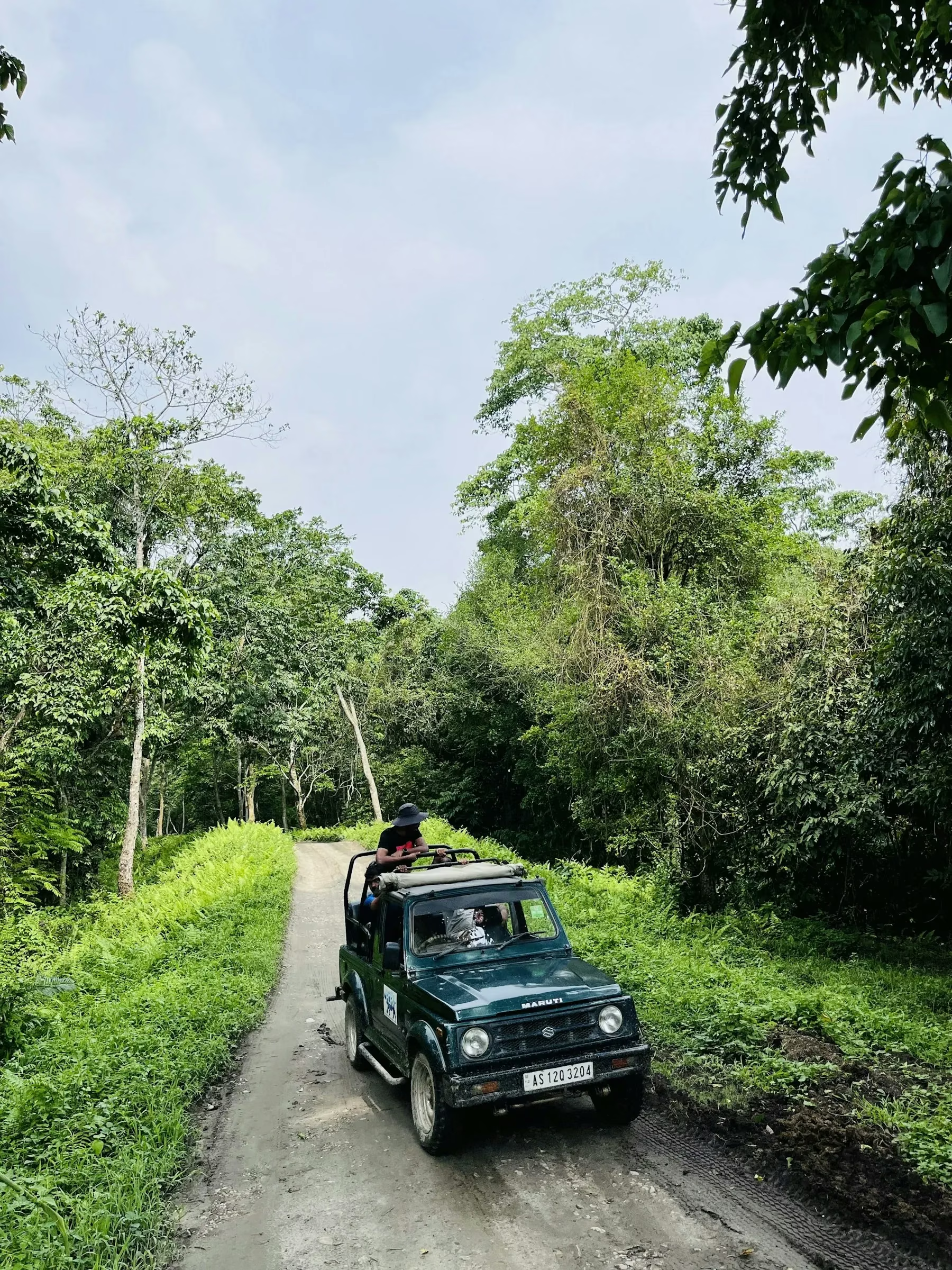
In a shared safari, the operator combines visitors from different bookings into a single vehicle. A standard Rajaji safari vehicle accommodates around six passengers in the rear seating area, plus the driver and a forest guide. In a shared arrangement, you may find yourself sitting next to individuals or families you have not met before.
Shared safaris follow the same route, timing and guide as private safaris. The experience inside the forest is identical — you see the same landscape, hear the same forest sounds and follow the same designated tracks. The difference is in the social dynamic and the cost structure.
For solo travellers, a shared safari can be an opportunity to meet fellow wildlife enthusiasts. However, it also means less control over stops, pacing and conversation. If you are a photographer who wants the vehicle to pause at specific vantage points, or if you prefer silence during the drive, a private vehicle may suit you better. Discuss your preferences with the booking team so they can match you with the right arrangement.
Is a Rajaji safari safe for solo travellers?
Yes. Rajaji jeep safaris are managed experiences with trained guides and drivers who follow established routes and Forest Department guidelines. Solo travellers follow the same safety protocols as everyone else in the vehicle.
Before the Safari
- Share your safari details — date, zone, reporting time and operator name — with a friend, family member or your hotel.
- Save the operator's contact number and the reporting gate address on your phone.
- Carry your original photo ID (Aadhaar, passport, driving licence or voter ID). The gate requires it for entry.
- Arrive at the reporting point at least 30 minutes before the scheduled time. Being early removes the stress of navigating an unfamiliar location alone.
During the Safari
- Follow the guide's instructions at all times. Stay seated when the vehicle is in motion and when animals are nearby.
- Keep your belongings secure. A crossbody bag or a bag with a secure strap is better than a loose backpack on bumpy forest roads.
- Keep your phone accessible but on silent. Use it for photography, not for calls inside the forest.
- If you feel uncomfortable about anything — the vehicle speed, proximity to wildlife, or any other concern — speak to the guide immediately.
After the Safari
The safari concludes at the same reporting gate where you started. If you have arranged your own transport, your vehicle should be parked where you left it. If the operator provides drop-off, confirm the drop-off location when you book. Having your hotel or accommodation details saved on your phone helps with the return journey.
What is the best Rajaji safari zone for a small group?
For small groups of two to five people, the choice of zone depends on your collective interests, the time of year and what is currently available. Rajaji's zones each offer a different character, and the best option for your group will align with what you most want to experience.
Chilla — The Reliable All-Rounder
Chilla is the most popular zone for small groups, and for good reason. The landscape combines sal forest, grasslands and the Ganga riverbed, providing varied wildlife viewing in a single drive. Elephants are frequently seen near the river, deer herds graze in the grassland patches, and birdlife is abundant throughout. The zone is accessible from both Haridwar and Rishikesh, making logistics straightforward for groups staying in either city.
Chilla is particularly well-suited for groups with mixed interests — some members may want elephants, others birds, others photography. The variety within a single Chilla safari satisfies most preferences.
Motichur — Dense Forest and Leopard Territory
Motichur suits groups who prefer a quieter, more atmospheric forest experience. The dense sal canopy, rocky terrain and quieter roads create a different mood from Chilla's open riverine landscape. Motichur is known for leopard presence, though sightings remain uncommon. The zone appeals to visitors who appreciate the forest itself as much as the wildlife within it.
Ranipur — Rugged and Secluded
Ranipur is the quietest of the main zones and offers a more rugged, hilly landscape. For small groups who want to feel immersed in a less-visited part of the park, Ranipur provides that experience. The terrain is more challenging, the vegetation is drier, and the wildlife is more spread out — but the sense of solitude is greater.
Jhilmil — Wetland and Birding
If your group includes birdwatchers or visitors interested in wetland ecosystems, Jhilmil offers a completely different experience from the forest zones. The flat, open landscape with reed beds and water bodies attracts waterbirds, migratory species and a different set of mammals. Jhilmil is best during winter when migratory birds are present.
Solo and Small Group Booking Logistics
Planning a Rajaji safari for one or a small group involves the same core steps as any booking, with a few additional considerations.
Choosing Timing
Morning safaris offer cooler temperatures and peak wildlife activity, particularly in winter when the fog adds atmosphere. Evening safaris provide beautiful golden-hour light and a more relaxed start to the day. For solo travellers, a morning safari is generally recommended for the best wildlife viewing conditions, but both options are worthwhile.
Transport to the Reporting Gate
If you are staying in Haridwar or Rishikesh, the drive to the reporting gate takes 20 to 45 minutes depending on the zone. Solo travellers should arrange transport in advance — either through the operator's pickup service or by hiring a taxi. Ask the operator about pickup options when you confirm your booking. Having the exact reporting gate address and a map pin saves confusion on the day.
What to Carry
- Original photo ID (mandatory for gate entry)
- Water bottle and light snacks
- Sunscreen, hat and sunglasses (essential in summer)
- A warm layer for winter mornings
- Camera with charged batteries and extra memory cards
- A small, secure bag for valuables
- Cash for any incidental expenses
Group Size and Vehicle Type
For groups of one to three people, a shared safari is usually the most practical and affordable option. For groups of four to six, a private vehicle is often cost-competitive with shared bookings and offers a better experience. Discuss the group size with the booking team to understand what vehicle arrangements are available.
Making the Most of the Experience
Solo travel and small-group travel both have advantages on a Rajaji safari. Solo travellers can be more flexible, focus on their own interests and absorb the forest at their own pace. Small groups share the experience with companions, which enhances the emotional impact of wildlife sightings and creates shared memories.
Regardless of group size, the forest itself is the main attraction. The play of light through the sal canopy, the sound of hornbills overhead, the rumble of elephants near the river and the quiet tension of reading tracks on the forest floor — these are the moments that define a Rajaji safari. Being present, observant and respectful of the forest environment makes every safari rewarding, whether you are travelling alone or with a group.
For broader planning, see our fees, timings and permits guide to understand the practical requirements. The vehicle guide explains what to expect from the safari jeep. To discuss your specific group size and preferences, reach out through the booking page.