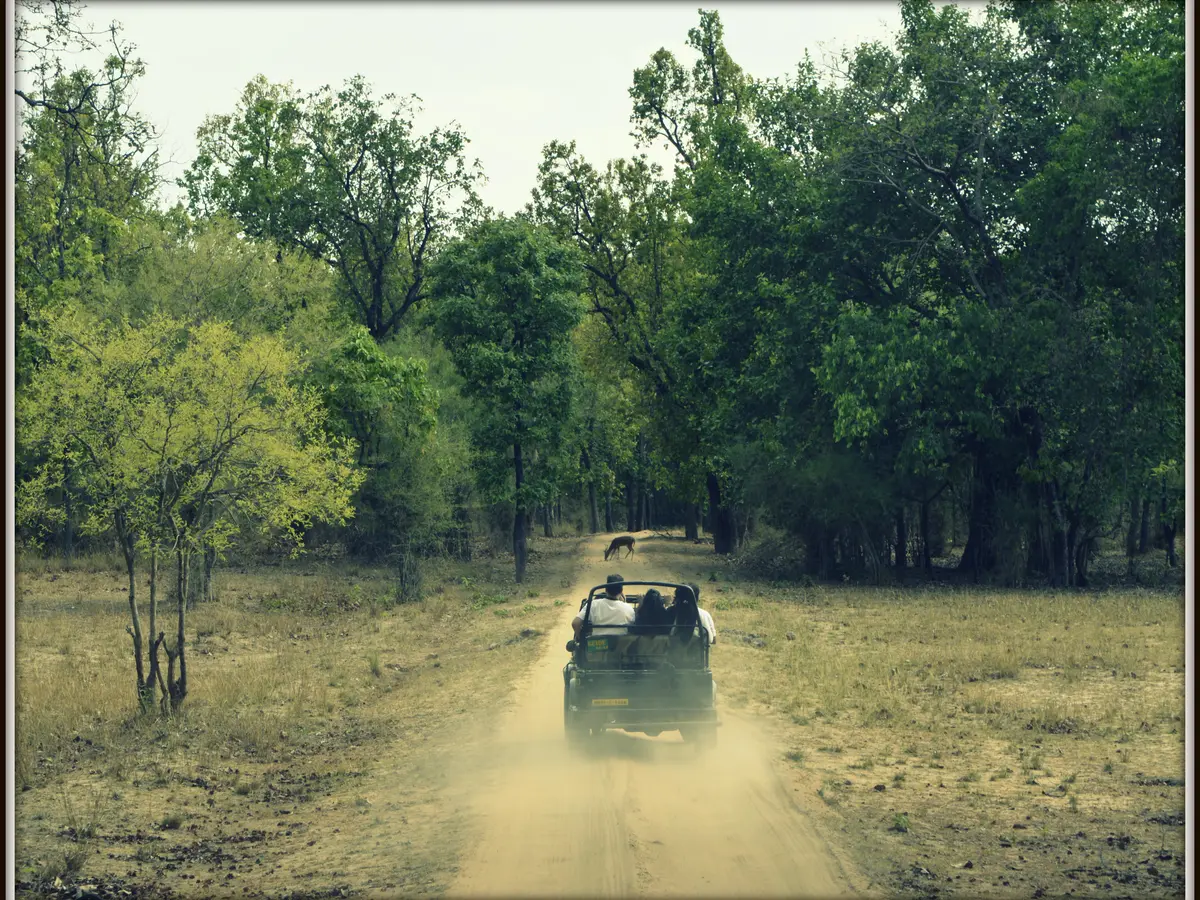
What Facilities at Safari Gates Actually Mean for Your Day
When you plan a Rajaji jeep safari, most of your attention goes to the wildlife, the zone and the timing. But the practical reality of safari day begins at the gate — the reporting point where you check in, meet your guide and enter the park. What you find at the gate — parking, toilets, water, shade, food and mobile network — directly affects how comfortable the first hour of your experience is. And what you find inside the park, during the drive itself, depends on preparation you do before leaving your accommodation.
The facilities at Rajaji's reporting points vary significantly by gate. Some gates sit near small towns with shops and services; others are in more remote locations where the nearest chai stall is a drive away. Facilities also change over time — a gate that had basic toilets last season may have upgraded, or vice versa. The only reliable way to know what your specific gate offers is to confirm with your operator or the Forest Department before safari day. This guide covers the general patterns, what to carry regardless and how to plan for the gaps.
Parking at Safari Gates
Most Rajaji reporting points have designated parking areas for visitor vehicles, though the capacity, surface and organisation vary by gate.
What to expect
- Basic parking areas: Many gates offer open parking spaces — dirt or gravel lots where you leave your car for the duration of the safari. These areas are typically unguarded, though the presence of Forest Department staff and other visitors provides a general level of oversight.
- Peak-period pressure: During holidays and peak weekends, parking areas near popular gates can fill up. Arriving early not only ensures you meet reporting time but also gives you a parking spot without stress.
- Vehicle security: Do not leave valuables visible in your parked vehicle. Lock the car and take essential items — wallet, phone, ID, camera — with you in your daypack. The documents checklist covers what to carry on your person.
What to confirm
Ask your operator whether parking is available at your specific gate, whether it is covered or open, and whether there is a parking fee. The gates and reporting guide covers logistics for each entry point.
Waiting Areas and Shade
You may spend fifteen to thirty minutes at the gate during check-in and the pre-safari briefing. Comfort during this waiting period depends on what the gate provides.
Shelter and seating
- Some gates have waiting shelters: Basic covered areas with benches or seating where visitors wait during check-in. These are functional rather than comfortable, but they provide shade and rain cover.
- Other gates have minimal infrastructure: You may be waiting in an open area with limited shade. In winter mornings, this is pleasant; in summer afternoons, it is uncomfortable. Carry a hat and sunscreen regardless.
- Briefing areas: The pre-safari briefing may take place in the waiting shelter, near the vehicle area or in an open space. Follow the guide's direction on where to gather.
Drinking Water Availability
Water is the most essential item for a safari day, and relying on gate availability without confirmation is unwise.
At the gate
- Some gates provide drinking water: Basic water dispensers or containers may be available at gates with waiting shelters. The quality and availability of this water is not guaranteed.
- Other gates do not: If your gate is in a remote location, drinking water may not be provided. Do not assume it will be there.
- Nearby shops: Gates near small towns may have shops selling bottled water and snacks within walking distance. Gates in more remote areas may not have commercial options nearby.
Inside the park
- Carry your own: Regardless of what the gate provides, carry sufficient water in your daypack for the entire safari. One to two litres per person is a reasonable minimum, more in summer months. The packing guide covers hydration essentials.
- No water sources inside the park: You are driving through a national park, not a rest stop. There are no shops, vendors or water dispensers along the safari route. What you carry in is what you have.
Toilet Availability: Gates Versus Inside the Park
This is one of the most common practical questions from visitors, and the answer varies by gate.
Toilets at gates
- Some gates have basic toilet facilities: These range from reasonably maintained to quite basic. Expect functional but not luxurious. Carry tissues, wet wipes and hand sanitiser regardless of what is available.
- Other gates may not have toilets: This is particularly true for gates in more remote locations or those with minimal infrastructure. If toilet access is a concern, confirm with your operator before safari day.
- Condition varies: Even gates with toilets may have facilities that are clean at the start of the day and less maintained by midday during peak periods. Plan accordingly.
Toilets inside the park
- Generally not available on the route: Safari routes do not pass through rest areas with toilet facilities. You are in the forest for the duration of the slot. The guide may be able to make a brief stop near the gate area if genuinely needed, but this is not standard and should not be relied upon.
- Practical approach: Use the gate facilities before entering the park. If none are available at your gate, plan accordingly before arriving. The gate facilities guide covers what to expect at each reporting point.
Food and Snacks: What to Carry
Safari days involve irregular schedules — early mornings, extended drives and post-safari transitions. Having food with you makes the day more comfortable.
At and near gates
- Gates near towns may have food options: Small dhabas, chai stalls or shops near some gates sell snacks, tea and basic meals. Do not depend on this without confirming — availability changes and some gates are too remote for commercial activity nearby.
- Carry your own regardless: Even if food is available near the gate, carry your own snacks for the safari drive itself. Energy bars, biscuits, fruit and sandwiches are practical options that do not require refrigeration or preparation.
Inside the park
- No food available on safari routes: There are no restaurants, canteens or vendors inside the park. The only food available during the drive is what you carry in your daypack.
- Eating during the drive: Snacking during the safari is fine as long as you manage waste responsibly — carry all wrappers and food waste out of the park. Do not feed any food to wildlife. The wildlife etiquette guide covers park conduct rules.
Post-safari meals
- Plan your post-safari meal: After the slot ends, you will likely be hungry. Know where you will eat — your accommodation, a restaurant near the gate or a town en route. The accommodation guide covers dining options near each gate.
Mobile Network Coverage
This is one of the most important practical realities of a Rajaji safari, and it catches many first-time visitors off guard.
At the gate
- Signal may be available: Some gates are close enough to towers to receive mobile signal. Use this window to send your final check-in message, share your vehicle number and confirm your expected return time with someone at home.
- Signal is not guaranteed: Even gates that had good signal previously may experience coverage changes due to tower maintenance, network congestion during peak periods or terrain-related limitations.
Inside the park
- Patchy to non-existent: Mobile network coverage inside Rajaji is unreliable. You may get intermittent signal in some zones but should not depend on connectivity for communication, navigation or emergencies during the drive.
- What this means for you: Download offline maps before entering the park. Save important phone numbers — your operator, your accommodation, emergency contacts — in your phone and write them down in your daypack. Do not plan to make calls, send messages or use data-dependent apps during the safari.
Practical preparation
- Share your itinerary before entering: Send your full plan — dates, gate, operator, vehicle number, expected return — to a trusted person before you lose signal.
- Power bank: Carry a charged power bank. The packing guide covers power bank recommendations. Your phone may drain faster in areas where it searches for signal.
- Save numbers offline: Do not rely on cloud contacts or messaging apps for emergency numbers. Save them locally in your phone's contact list.
Charging and Power Availability
- At the gate: Charging points are generally not available at safari gates. Do not expect to charge your phone or camera at the reporting point. Arrive with everything fully charged.
- Inside the park: No power sources are available during the drive.
- At accommodation: Confirm that your hotel or guesthouse has reliable power and charging points. Power cuts can occur in areas near the park, particularly during peak demand periods. A power bank is your backup for the safari day.
Cash Versus Digital Payment
Payment infrastructure near Rajaji varies by location and changes over time.
At the gate
- Safari fees: How you pay for your safari slot depends on the booking system — online pre-payment, payment at the gate or a combination. Confirm the accepted payment methods when you book. The budget planner covers cost planning.
- Digital payment availability: Some gates accept digital payments; others may be cash-only. Network issues can affect digital payment systems. Carry sufficient cash as a backup.
Nearby towns and services
- Small towns near gates: ATMs, if available, may be limited in number and functionality. Digital payment apps work in some shops but not all. Cash remains a practical necessity for small purchases, chai and local transport.
- Larger towns (Haridwar, Rishikesh, Dehradun): Full banking and digital payment infrastructure is available. Withdraw cash before heading to the park area if your accommodation is near a remote gate.
Practical approach
- Carry cash: A reasonable amount of cash in small denominations covers most needs near the park. The exact amount depends on your plans, but having backup cash eliminates the stress of finding an ATM near a remote gate.
- Digital as primary, cash as backup: Use digital payment where available but do not rely on it exclusively.
What to Carry in the Vehicle
Your daypack for the safari should cover the gaps between what the gate provides and what you need during the drive.
Essentials checklist
- Water: One to two litres per person, more in summer. The most critical item.
- Snacks: Energy bars, biscuits, fruit, sandwiches — anything that is easy to eat and does not create mess or attract wildlife.
- Sunscreen and hat: Even in open-shade forest, UV exposure is real. Reapply if the safari extends into late morning.
- Tissues and wet wipes: For basic hygiene, particularly if gate toilets are limited.
- Hand sanitiser: For use before eating and after touching shared surfaces.
- Binoculars: Essential for birding and distant wildlife observation. The birdwatching guide covers how to use them effectively.
- Camera: Charged, with memory cards ready. The photography guide covers gear recommendations.
- Phone: Charged, with offline maps downloaded and emergency numbers saved.
- Power bank: Fully charged backup for your phone.
- ID proof: Carry on your person, not locked in the car.
- Cash: Backup for any purchases near the gate.
- Light layer: A jacket or shawl for cool mornings, removable as the day warms.
- Notebook and pen: For recording observations if you are keeping field notes.
How Facilities Differ by Gate and Change Over Time
The most important thing to understand about gate facilities is that they are not uniform across Rajaji and they are not permanent. Here is why this matters for planning:
Gate-to-gate variation
- Near-town gates: Gates closer to Haridwar, Rishikesh or other settlements tend to have more facilities nearby — shops, chai stalls, basic restaurants and sometimes better gate infrastructure. The approach road to these gates may also have more services.
- Remote gates: Gates further from towns may have minimal infrastructure — basic parking, limited or no toilets, no nearby shops. The trade-off is that remote gates often feel less crowded and may offer a quieter start to the safari.
- Zone-dependent differences: Some zones have more developed reporting points than others, reflecting their visitor volume and administrative history.
Changes over time
- Infrastructure upgrades: The Forest Department periodically upgrades gate facilities — adding toilets, improving waiting areas or installing water points. These changes happen without wide public announcement.
- Seasonal variations: Some facilities that operate during peak season may be reduced or unavailable during quieter months. Temporary structures, vendor stalls and seasonal services come and go.
- Administrative changes: Park management decisions can alter gate operations, reporting procedures and available facilities. What was true last season may not be true this season.
The confirmation principle
The only reliable way to know what your gate offers is to ask directly:
- Contact your operator: They know the current state of the gate they use regularly. Ask specifically about parking, toilets, water and food availability.
- Contact the Forest Department: For official information about gate facilities and reporting procedures, the Forest Department or the park's administrative office can provide current details.
- Ask recent visitors: Online travel forums and review platforms may have recent first-hand reports about specific gates. These reports are useful context but should be supplemented with direct confirmation.
Facility Confirmation Checklist
Before safari day, confirm these details for your specific gate:
- Parking: Is parking available at the gate? Is it covered or open? Any fee?
- Toilets: Are toilet facilities available at the reporting point? If not, plan accordingly before arriving.
- Drinking water: Is water provided at the gate? Do not depend on this — carry your own regardless.
- Food options: Are there shops or dhabas near the gate? Can you buy snacks or breakfast nearby?
- Shade and shelter: Is there a waiting area with cover? Useful for rain or intense sun.
- Mobile signal: Is there signal at the gate area? Use it for final check-in messages before entering the park.
- Payment method: How do you pay for the safari slot? Confirm accepted payment methods and carry backup cash.
- Guide meeting point: Where exactly do you meet your guide at the gate? Confirm the location to avoid confusion on arrival.
A well-prepared safari day starts with knowing what the gate provides and what you need to bring yourself. The facilities at Rajaji's reporting points range from basic to comfortable, but none of them replace personal preparation. Carry your own water, food, sun protection and essentials, and you will be comfortable regardless of what the gate does or does not offer. The packing guide covers the complete preparation list, and the gates and reporting guide covers the entry-point logistics that structure your arrival and check-in.