Why Group Safaris Require Different Planning
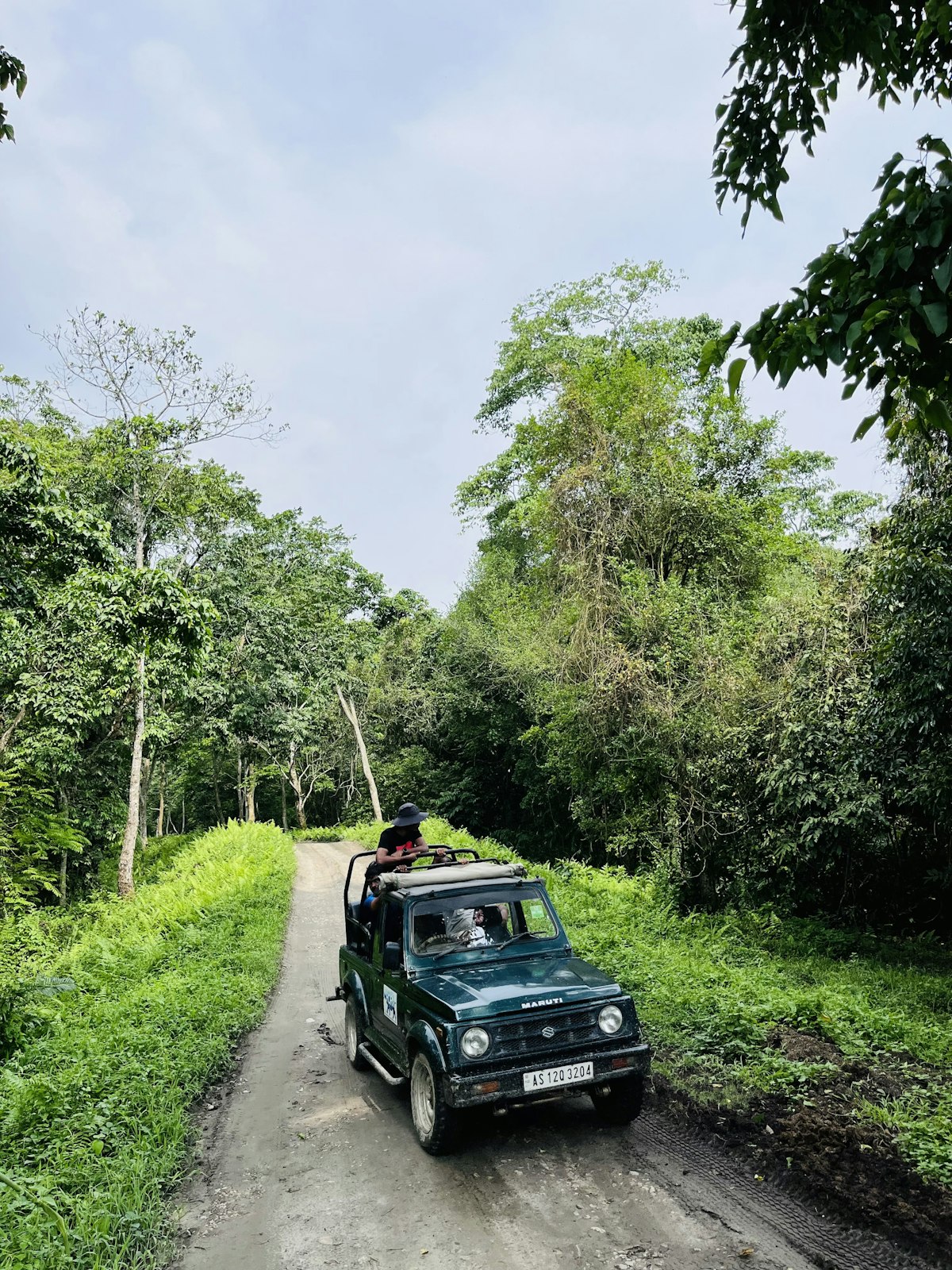
A Rajaji jeep safari is designed around small vehicles and intimate forest experiences. A single jeep carries a limited number of passengers — not a busload. This is part of what makes the experience special: you are deep in the Shivalik forest, close to wildlife, with a guide who can speak to your group without shouting over thirty people. But when your "group" is twelve, twenty or thirty people — a family reunion, a corporate team outing, a destination wedding side trip — the logistics change completely.
You cannot fit everyone in one vehicle. You need multiple vehicles departing together, coordinated reporting times, a clear communication plan and someone who owns the entire process. This guide covers how to plan a group safari in Rajaji — from vehicle logistics to budgeting to the day-of coordination that prevents chaos.
How Jeep-Based Safaris Handle Larger Groups
Rajaji safaris use jeeps (typically open-top vehicles) as the standard mode of transport. Each jeep carries a limited number of passengers. The exact seating capacity depends on the vehicle type and the operator's configuration — some seat six, some seat fewer, and the guide or naturalist may occupy one of those seats. Do not assume a fixed number of seats — always confirm with the operator how many passengers each vehicle will carry for your booking.
Multiple vehicles for large groups
When your group exceeds the capacity of one vehicle, the operator assigns multiple vehicles. Here is what that means in practice:
- Vehicle count: If your group of fifteen needs vehicles that seat five passengers each, you need three vehicles. If the vehicles seat six, you need three. If the guide takes a seat, you may need four. The operator calculates this based on the specific vehicles they are using.
- Same zone, same time: Ideally, all vehicles for your group operate in the same zone and depart at the same time. This keeps the group together for the safari experience and simplifies logistics. Confirm with the operator that this is possible.
- Vehicle assignment: The operator assigns specific vehicles to your group. Ask for the vehicle numbers or descriptions so you can locate them at the reporting area. On busy mornings, the reporting area can have multiple vehicles from multiple operators — knowing yours avoids confusion.
Splitting the group across zones
Sometimes, all vehicles cannot operate in the same zone on the same day. This happens when:
- The Forest Department's allocation for your preferred zone does not have enough vehicles available.
- Your group is very large and the zone's daily vehicle limit is reached before all your vehicles are accommodated.
- The operator recommends a different zone for part of the group based on availability.
If the group must split across zones:
- Communicate this clearly to all group members before safari day.
- Ensure each sub-group has its own confirmed booking with zone, gate, date, time and visitor names.
- Plan separate transport to different gates if needed.
- Establish a meeting point and time for after the safaris — where will the full group reconvene?
Splitting across zones is not ideal, but it is workable with clear communication. The zone guide covers how zones differ so you can explain the experience to each sub-group.
Keeping families together within a split group
If the group splits across zones or vehicles, keep family units together whenever possible. A parent with a young child should not be separated across different vehicles or zones. When communicating with the operator, specify which visitors should be grouped together and why. The family safari guide covers child-specific considerations, and the senior citizens guide covers accessibility needs that may affect vehicle assignment.
Coordinating Multiple Pickups and Reporting Points
Groups often do not start from one location. Family members may be staying at different hotels. Corporate participants may arrive from different cities. This creates a pickup coordination challenge:
- Centralised reporting: The simplest approach is for everyone to meet at the reporting gate. Each person or sub-group arranges their own transport to the gate. The coordinator shares the gate address, reporting time and parking or drop-off instructions in advance.
- Operator pickup from multiple locations: Some operators offer pickup from hotels. If your group is spread across two or three hotels, confirm with the operator whether they can coordinate multiple pickups. This may involve additional vehicles and additional cost.
- Single pickup point: If the group can converge at one hotel or landmark before the safari, the operator can arrange a single pickup. This simplifies logistics significantly but requires everyone to reach the convergence point.
Whatever approach you choose, communicate the plan clearly and well in advance. Share the reporting time, gate location, meetup point and any transport details with every group member. Do not assume everyone will "figure it out" — group members who arrive late or at the wrong gate create delays for everyone.
Timing and Slot Coordination for Big Groups
Groups face a timing constraint that individual travellers do not: everyone needs to be at the gate at the same time. This requires:
- Agreeing on a time slot early: Decide as a group whether you are doing the morning or evening safari. The morning vs evening timing guide explains what each slot offers. Morning slots generally provide better wildlife activity, but they require very early wake-ups. If your group includes young children or seniors who struggle with early mornings, the evening slot may be more practical.
- Building in buffers: When thirty people need to be at the gate by a specific time, the probability of someone being late is high. Build in buffer time. If the reporting time is 6:30 AM, tell the group to arrive by 6:00 AM. If someone's hotel is further from the gate, they need an earlier departure.
- Time zone for communication: When coordinating timing, use a consistent reference. If your group spans multiple cities, clarify "6:30 AM IST" to avoid confusion.
- Reconfirm 24 hours before: Send the final timing details to the group one day before the safari. Include the reporting time, gate address, what to bring and a contact number for the coordinator.
Budget Planning: Per Person and Shared vs Private Vehicles
Group safari costs involve several components. Planning the budget in advance prevents awkward conversations and last-minute disputes:
Per-person costs
Some operators price safaris per person, especially for shared jeeps where multiple groups share a vehicle. For private group bookings, pricing may be per vehicle rather than per person. Clarify the pricing model before committing. Ask:
- Is the price per person or per vehicle?
- What is included in the price — guide, jeep, Forest Department entry fee, fuel, bottled water?
- What is not included and payable separately at the gate?
- Are there different rates for children, seniors or foreign nationals?
The budget planner provides a cost breakdown framework to help you estimate and track expenses.
Shared vs private vehicles
For a group, you generally have two options:
- Private vehicles: Your group books all the vehicles exclusively. No strangers share your jeeps. This is more expensive per vehicle but ensures the group stays together, the guide focuses on your group's interests, and the experience is cohesive. Recommended for family reunions, corporate outings and any group that values a shared experience.
- Shared vehicles: Your group members share jeeps with other visitors. This is cheaper per person but means the group is split across vehicles with strangers, the guide balances multiple parties' interests, and the experience is less unified. Some operators may not offer shared vehicles for large group bookings.
For groups of eight or more, private vehicles are usually the practical choice. The cost difference is offset by the logistical simplicity and the quality of the shared experience.
Additional costs to factor in
- Transport to the gate: If the group needs multiple taxis or a bus to reach the reporting gate, this is a separate cost.
- Accommodation: Group accommodation may involve block bookings at hotels, which may have different terms than individual reservations.
- Meals: If the outing includes meals before or after the safari, budget for restaurant bookings or packed meals.
- Tips: Guides and drivers appreciate tips. For group safaris, consider pooling a group tip and presenting it to each guide and driver individually.
- Contingency: Weather changes, zone reassignments or last-minute additions can create unexpected costs. Build a buffer into your budget.
Accessibility for Children and Seniors in a Group
Groups often include members with varying physical abilities. Plan for this:
- Children: Young children may not enjoy a three-hour bumpy jeep ride. Discuss with the operator whether the specific track conditions suit young children. The family guide covers age-specific considerations. For groups with many children, consider whether the evening slot (shorter, less bumpy in some zones) is more appropriate.
- Seniors: Getting in and out of a safari jeep requires climbing a step and ducking under the frame. Seniors with mobility limitations should inform the coordinator and operator in advance. Some vehicles may accommodate mobility needs better than others. The senior citizens guide covers this in detail.
- Medical conditions: Collect information about any medical conditions, allergies or medication needs from group members before the safari. Share relevant details with the operators so guides can plan accordingly. There are no medical facilities inside the park.
- Seating arrangements: Ensure that family units with children or seniors are seated together in the same vehicle. A parent should not be in one vehicle while their young child is in another.
What One Coordinator Should Own
Large group safaris need a single point of responsibility. The coordinator's role:
Before the booking
- Collect the full visitor list: full names (matching IDs), ages and any special requirements.
- Communicate with the operator: group size, preferred dates, zone preference, accessibility needs, vehicle count.
- Get written confirmation with all details and share it with the group.
- Collect payment from group members according to the agreed budget split.
- Book transport to the gate for the group.
- Book accommodation if the group needs it.
In the days before the safari
- Reconfirm with the operator 48 hours before: reporting time, gate, vehicle count, any changes.
- Send the group the final details: reporting time, gate address, what to bring, what to wear, meeting point.
- Collect the operator's contact number and share it with at least two other group members.
- Check the weather forecast and communicate any packing adjustments to the group.
On safari day
- Arrive at the reporting area first to meet the vehicles and guides.
- Account for all group members — confirm everyone has arrived before the departure time.
- Manage any last-minute issues (late arrivals, missing IDs, vehicle confusion).
- Be the single point of contact for the guides and drivers.
- After the safari, confirm the group reconvenes at the agreed meeting point.
Communication on the Day
Group communication on safari day can break down if not planned:
- WhatsApp or messaging group: Create a group chat for the safari day. Use it for timing updates, location sharing and coordination. Do not use it during the safari itself — phones should be silent inside the park.
- Backup contact: Mobile signal near Rajaji gates is unreliable. Save the operator's number and the coordinator's number on every phone. Write them on paper as well.
- Pre-safari briefing: Before everyone disperses to their vehicles, gather the group for a five-minute briefing: reporting time, vehicle numbers, what to expect, what not to do (no loud voices, no feeding wildlife, stay in the vehicle). The small-group guide covers general safari conduct that applies to all group sizes.
- Post-safari meetup: Agree on a specific location and time for the group to reconvene after the safari. A restaurant near the gate or a hotel lobby works well. Do not leave it vague — "we'll figure it out after" does not work with large groups.
Group Booking Checklist
Use this checklist when planning a group safari:
Initial planning
- Group size confirmed: Final count of visitors, including children and seniors.
- Date range agreed: Preferred date(s) and backup options.
- Time slot chosen: Morning or evening, based on group preferences and constraints.
- Budget per person estimated: Safari fee, transport, meals, tips, contingency.
- Coordinator designated: One person owns the entire process.
- Special requirements collected: Mobility needs, medical conditions, dietary requirements, children's ages.
Booking and confirmation
- Operator selected: Verified legitimacy, confirmed they can handle group size. The operator verification guide covers what to check.
- Vehicle count confirmed: Number of vehicles needed based on seating capacity per vehicle.
- Written confirmation received: Zone, gate, date, time, vehicle count, visitor names, total cost, cancellation terms.
- Confirmation shared with group: Every member has a copy (printed or screenshot).
- Transport booked: Taxis, bus or operator pickup arranged for the group.
- Accommodation confirmed: If needed, block booking arranged with early checkout option.
Final preparation (48 hours before)
- Reconfirmed with operator: Reporting time, gate, any changes.
- Group notified: Final details sent — reporting time, gate address, what to bring, meeting point.
- Weather checked: Clothing and packing adjustments communicated.
- Payment settled: All group members have paid their share. Coordinator has the total amount ready.
- IDs verified: Every visitor has their government-issued photo ID ready. The documents checklist covers what to carry.
- Emergency contacts saved: Operator, coordinator, hotel — accessible without mobile data.
Safari day
- Coordinator arrives early: Meets the vehicles, confirms the guides, accounts for the group.
- All members present: Everyone is at the reporting area before the departure time.
- Brief group on conduct: Quiet voices, stay in vehicle, no flash photography, follow guide instructions. The safety guide covers vehicle conduct in detail.
- Post-safari reconvene: Group meets at the agreed location after the safari.
Why Group Safaris Are Worth the Planning Effort
Planning a group safari is more complex than booking for two or four people. But the payoff is significant: sharing a wildlife experience with family, friends or colleagues creates memories that individual travel does not. The moment when a vehicle full of your people spots an elephant herd together, or when the group gathers over dinner to compare what each vehicle saw — these are the experiences that make the coordination worthwhile.
The key is treating the planning as seriously as the experience itself. A well-coordinated group safari runs smoothly, stays on budget and lets every member enjoy the forest without logistical stress. The coordinator's work — collecting details, confirming bookings, communicating plans, managing the day — is invisible when done well and painfully visible when skipped. Invest the time upfront, and the safari delivers on its promise. The after-booking checklist covers individual preparation, and the cancellation and rescheduling guide explains what flexibility exists if group plans change after booking.