How Seasons Shape Wildlife in Rajaji
Rajaji National Park sits where the Shivalik foothills meet the Gangetic plain, and this transitional geography means that seasonal changes ripple through the landscape in ways that directly affect wildlife movement, visibility and behaviour. Understanding these seasonal patterns does not guarantee sightings — nothing in the wild is guaranteed — but it helps you set informed expectations, choose the right timing and ask your guide smarter questions during the safari.
The park's open season typically runs from mid-November through June, though exact opening and closing dates are set by the Forest Department each year and can vary by zone. Within this window, conditions change dramatically: winter fog gives way to dry spring, which yields to scorching summer, which ends with the monsoon closure. Each phase reshapes the landscape and the animals within it. This guide walks through the general expectations for each part of the season, focusing on how weather, water and vegetation influence what you might encounter.
An important caveat up front: wildlife is unpredictable. A month that is "good" for one visitor may produce nothing for another. The patterns described here reflect general tendencies, not rules. Your experience will depend on your zone, the guide's knowledge, weather on the specific day and pure luck.
November to December: The Park Reopens and Winter Sets In
After the monsoon closure, Rajaji's zones reopen progressively. The exact dates depend on the Forest Department's annual announcements, and not all zones open simultaneously. By late November, most popular zones are accessible, and the park enters its first visitor peak.
Weather and landscape conditions
November and December bring cool, pleasant daytime temperatures to the Shivalik foothills. Mornings are cold, often with fog that limits visibility in the early hours. As the fog lifts — usually by mid-morning — the forest opens up visually. The vegetation is still green from the monsoon, with full canopy cover in the Sal forests and lush growth in the riverine grasslands. Water remains plentiful: rivers flow well, seasonal streams still carry water and the ground retains moisture from the rains.
What this means for wildlife
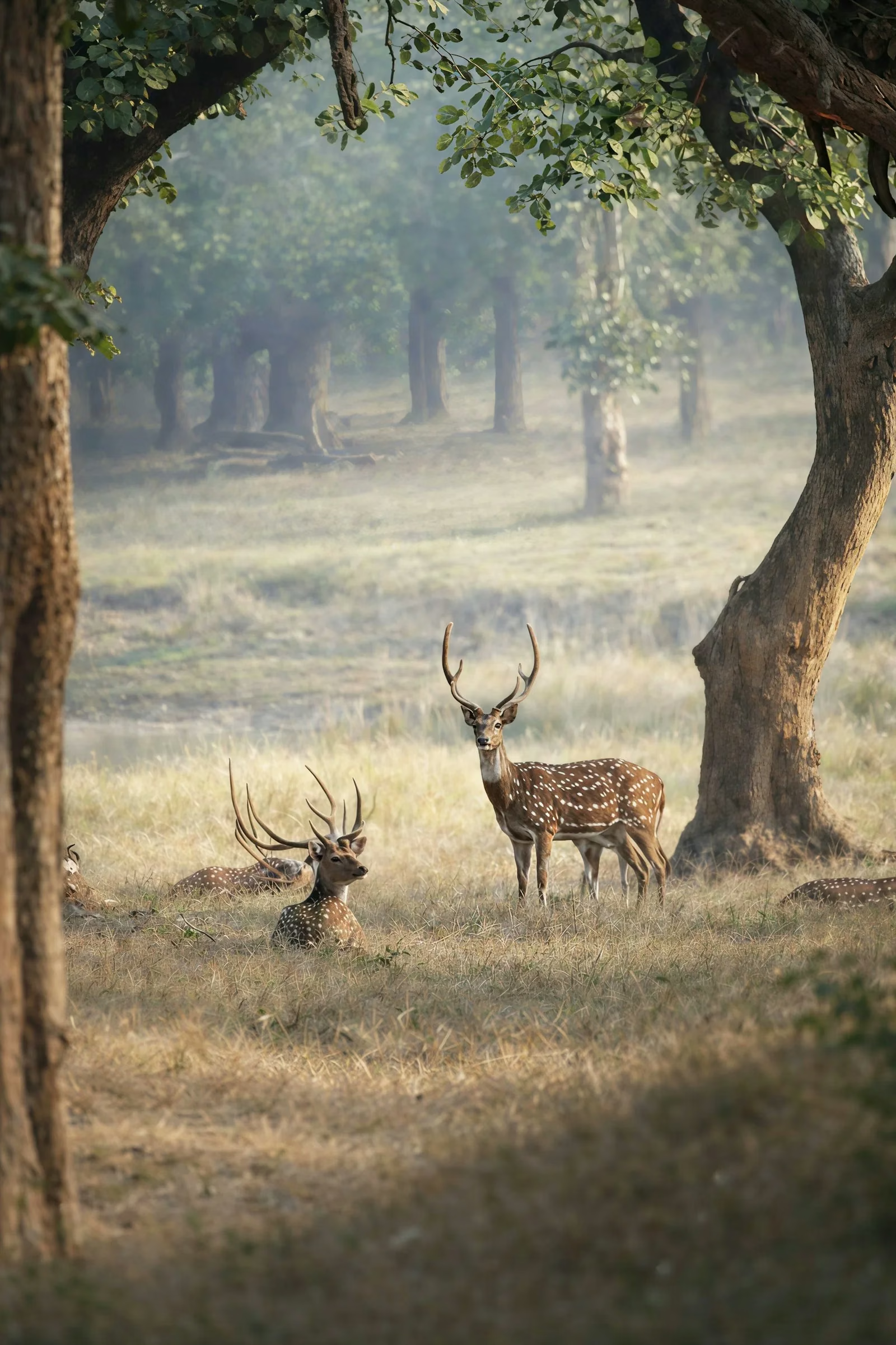
- Deer and langur: Spotted deer and langur are active throughout the day. In the cool mornings, they may feed in forest clearings and near grassland edges. The green vegetation provides ample food, so deer are spread across the landscape rather than concentrated at specific feeding points.
- Elephants: Asian elephants are present year-round. In November and December, they are often seen along river corridors and in areas where the monsoon growth provides abundant browse. Water is not scarce, so elephants do not need to concentrate at waterholes — they move freely across the landscape.
- Birds: Winter migrants begin arriving. The mix of resident and visiting species makes this a strong period for birdwatching. Waterbirds concentrate near rivers and marshes. Woodland species are active in the canopy.
- Predators: Tigers and leopards are present but secretive. Dense post-monsoon vegetation provides them with cover, which reduces visibility. Sightings depend heavily on the guide's ability to read signs and anticipate movement.
What to ask your guide
- Which zones are confirmed open this week?
- Where have deer herds been concentrated recently?
- Are there any river corridors where elephants have been spotted this month?
January to February: Peak Winter and the Fog Factor
January is typically the coldest month in the Shivalik foothills. Fog can be persistent, sometimes lasting well into the morning and occasionally lingering through the day in river valleys. February marks the beginning of the transition toward warmer, drier conditions.
Weather and landscape conditions
Morning temperatures can be quite low, especially in zones near the Ganga floodplain where fog settles in the valley. The fog lifts later in the day, and safari timing may need to accommodate this — some zones delay starts on heavy fog days. Vegetation remains green but the undergrowth begins to thin as deciduous trees shed some leaves. Water is still available in rivers and streams, though some seasonal trickles from the monsoon have dried up by February.
What this means for wildlife
- Deer and langur: Animals tend to become active later in the morning as temperatures warm. By mid-morning, after the fog lifts, deer and langur are visible in forest clearings, along tracks and near grassland margins.
- Elephants: Elephants continue to use river corridors and forested areas. The cooler weather keeps them active for longer stretches during the day. Elephant herds may be found browsing in mixed deciduous areas where fallen leaves and new growth provide food.
- Birds: January and February are prime birding months. Winter migrants are fully present, and the mix of waterbirds, raptors, woodpeckers, flycatchers and barbets is at its richest. Bird activity peaks as the fog lifts and the forest warms.
- Predators: Tiger and leopard activity may be slightly more detectable in February as vegetation begins to thin, opening up limited sight lines. However, dense Sal forest still provides cover, and sightings remain a matter of chance.
What to ask your guide
- What time did the fog clear yesterday, and how did that affect the morning drive?
- Are there areas where deciduous leaf fall has opened up visibility?
- Which bird species have been seen this week near the river?
March to April: The Dry Transition
March and April represent a critical shift in the park's ecology. Temperatures rise steadily, rainfall is minimal and the landscape begins to dry out. The vegetation, which was lush and green through winter, starts to brown — especially in open grasslands and scrub areas. This transition period often provides some of the most dynamic wildlife viewing conditions.
Weather and landscape conditions
Daytime temperatures climb noticeably through March and can be quite warm by April. Mornings are pleasant without heavy fog, making early starts more comfortable. The key ecological change is water availability: seasonal streams dry up, ponds shrink and the ground hardens. Permanent rivers — the Ganga and its major tributaries — continue to flow, but water becomes the organising force of the landscape. Wildlife begins to concentrate near these permanent sources.
What this means for wildlife
- Deer and langur: As grasslands dry and brown, visibility improves. Deer herds are easier to spot against the lighter background. Langur troops move along forest edges where remaining green browse is available. The thinning undergrowth makes forest clearings more open.
- Elephants: Elephants increasingly use river corridors as dry-season congregation areas. They are often seen drinking, bathing and moving along riverbanks. This can create excellent viewing opportunities near water, though herds may also travel between water sources along well-used corridors.
- Birds: Resident species are nesting. Migratory species begin departing by late March and April. Raptor activity increases as thermals develop in the warmer air. Waterbirds concentrate around shrinking water bodies.
- Predators: The drying landscape can improve visibility for predator signs — tracks on hard ground near water, scratch marks on trees along travel routes. Direct sightings remain uncommon, but the concentration of prey and predators near water creates more opportunities for the attentive visitor.
What to ask your guide
- Which waterholes or river stretches have been producing animal activity recently?
- Has the grass dried enough to improve visibility in the grassland zones?
- Are elephants using any particular corridor between the forest and the river?
May to June: Summer Heat and Maximum Concentration
May and June are the hottest months in the Shivalik foothills. Temperatures can be intense during the day, and water becomes genuinely scarce outside permanent rivers. This harshness, paradoxically, can produce some of the most concentrated wildlife viewing — animals that depend on water have no choice but to gather where it remains available.
Weather and landscape conditions
Heat is the dominant feature. Daytime temperatures peak, and midday is uncomfortable for both visitors and wildlife. The vegetation is at its driest — grasslands are brown and brittle, deciduous trees have shed many leaves and the forest floor is open. Early morning and late afternoon are the active windows for wildlife; midday sees animals resting in shade or near water. The pre-monsoon period may bring occasional thunderstorms in late June that break the heat but signal the approaching closure.
What this means for wildlife
- Deer and langur: Deer feed in the cooler hours and rest during the heat. Open grasslands offer good visibility, but animals may be in shaded areas during midday. Langur stay in the canopy where shade is available.
- Elephants: Summer is often associated with strong elephant activity near rivers and waterholes. Herds come to drink and cool off, creating opportunities for viewing from the vehicle. However, elephants also travel long distances between water sources, so sightings depend on whether your route crosses these corridors.
- Birds: Resident species are less vocal in the heat but remain active near water. Raptors use thermals effectively, and vultures may be seen circling above the forest. Pre-monsoon thunderstorms can trigger insect activity, which in turn attracts birds.
- Predators: The combination of concentrated prey near water and open visibility in dry grassland can create conditions where predators are more visible — but this is never guaranteed. The guide's knowledge of travel routes and water-dependent patterns becomes especially valuable.
What to ask your guide
- What time did the animals start moving to water yesterday?
- Are any sections of the river producing regular elephant visits?
- Is the heat affecting safari timing or vehicle access to certain areas?
Understanding Why Sightings Remain Unpredictable
Every seasonal pattern described above is a generalisation. Individual wildlife behaviour varies based on factors that no calendar can predict:
- Individual animal movement: A tiger that was active near a particular river bend last week may have moved ten kilometres into the forest by this week. Leopards shift territories. Elephant herds follow food and water cues that change daily.
- Weather events: An unusual cold snap, an early shower or a late fog can shift animal activity in ways that contradict seasonal norms. Weather on the specific day of your safari matters more than the general month.
- Zone assignment: Your zone determines which part of the landscape you enter. A zone with dense forest offers different encounters than one with open grassland, regardless of the month. The zone guide explains how terrain varies across zones.
- Human disturbance: High visitor days, vehicle noise and human presence can push sensitive species deeper into cover. Quiet days with fewer vehicles may produce better encounters.
- Guide skill: An experienced guide who reads the forest — tracks, calls, habitat signs — creates more opportunities than any seasonal pattern. The guide's ability to position the vehicle and anticipate animal movement is often the deciding factor.
Set your expectations around the landscape, the habitat and the general season — not around a specific species on a specific date. The park offers a rich wildlife experience across all open months, and the unpredictability is part of what makes each safari unique.
Seasonal Planning Checklist
Use this checklist to align your trip planning with seasonal realities:
- Confirm zone opening dates: Do not assume dates from last year. The monsoon closure guide explains how seasonal closures work and why dates shift.
- Check weather forecasts: Fog in winter, heat in summer and rain near monsoon boundaries all affect safari timing and comfort. The best time to visit guide provides seasonal context.
- Plan for temperature: Winter mornings are cold — carry layers. Summer afternoons are hot — carry water and sun protection. The packing guide covers seasonal essentials.
- Understand water patterns: Ask the operator which water sources are active in your chosen month. The rivers and waterholes guide covers how water shapes wildlife distribution.
- Manage sighting expectations: Read the general wildlife guide before your trip to understand which species are common, which are elusive and which are seasonal.
- Book early for peak months: The open season's first and last months often attract high demand. The fees and permits guide covers timing and booking logistics.
- Consider safari timing: Morning vs evening safaris offer different experiences depending on the season. The timing guide helps you choose.
- Prepare for monsoon transitions: If visiting near the monsoon boundary, confirm both the zone status and road conditions before committing. Wet tracks can affect vehicle access.
Choosing Your Month: A Decision Framework
Rather than asking "which month is best," consider what matters most to you:
- Comfort and weather: November and February offer pleasant temperatures. Avoid midday in May and June unless you tolerate heat well.
- Bird diversity: December through February maximises the mix of resident and winter migrant species. The birdwatching guide provides detail on habitat-specific birding.
- Elephant concentration near water: March through June, as water sources shrink, elephants concentrate along permanent rivers. But elephants are visible year-round — the concentration effect simply improves the odds.
- Open visibility: March through June, as vegetation dries and thins, offers better sight lines through grassland and open forest. This benefits all species viewing, not just one.
- Tranquillity: Mid-season months (January to March) may have fewer visitors than the opening and closing weeks, depending on holidays and demand patterns.
- Overall wildlife experience: Every month in the open season offers something. The park's richness — elephants, deer, langur, birds, river habitats, forest landscapes — is consistent across the season. Focus on the overall experience rather than chasing a single species. The wildlife etiquette guide ensures you engage with the park respectfully regardless of when you visit.
The best month for a Rajaji safari is the month you can actually go, prepared with realistic expectations and an appreciation for the landscape you are entering. Use this calendar as a planning tool, not a prediction — and let the forest surprise you.